
The Difference Between Radon Testing and Indoor Air Quality Monitoring for Southwest Minneapolis Families
Radon gas and indoor air quality are two very different threats to your family’s health, but both require specialized attention in Southwest Minneapolis homes. Radon is a radioactive soil gas that seeps into basements through foundation cracks, while indoor air quality covers a broader range of airborne pollutants like dust, mold spores, and volatile organic compounds. Understanding these differences helps you choose the right testing and mitigation strategy for your home.
The Fundamental Difference Between Radon and General Air Pollutants
Radon is a naturally occurring radioactive gas produced by uranium decay in soil and rock. It enters homes through foundation cracks, sump pumps, and gaps around pipes. Unlike dust or pollen, you cannot see, smell, or taste radon. The only way to detect it is with specialized testing equipment.
Indoor air quality monitoring detects a wide range of airborne particles and gases. HEPA filters capture dust, pollen, and pet dander. Carbon filters absorb volatile organic compounds from cleaning products and paint. Humidity sensors help prevent mold growth. These systems provide real-time feedback about your home’s air composition. EPA Radon Information.
Comparing Radon Testing vs IAQ Monitoring Methods
| Factor | Radon Testing | IAQ Monitoring |
|---|---|---|
| Detection Method | Specialized radon test kits or continuous monitors | Multi-sensor devices with HEPA and carbon filters |
| Measurement Unit | Picocuries per liter (pCi/L) | Particles per million, VOCs, humidity percentage |
| Health Impact | Second leading cause of lung cancer after smoking | Allergies, respiratory irritation, asthma triggers |
| Solution Type | Sub-slab depressurization or active soil depressurization | Filtration, ventilation, humidity control |
Why Southwest Minneapolis Homes Face Higher Radon Risks
Minnesota’s geology creates ideal conditions for radon accumulation. The bedrock beneath Hennepin County contains granite and shale formations rich in uranium. During Minnesota’s long winters, homes operate under negative pressure as heated air rises through the building envelope. This stack effect pulls radon from the soil into basements and living spaces. Minnesota Department of Health Radon Information.
Southwest Minneapolis neighborhoods like Linden Hills and Fulton sit on Pierre Shale formations with elevated uranium content. The deep frost lines in Minneapolis force foundations deeper into the ground, creating more potential entry points for soil gases. Homes built before 1990 often lack vapor barriers that would reduce radon infiltration.
The Minnesota Department of Health reports that approximately 40% of Minnesota homes test above the EPA action level of 4.0 pCi/L. Hennepin County averages 4.5 pCi/L, making it one of the highest-risk areas in the state. The EPA classifies Minnesota as a Zone 1 area for radon potential.
Can Your HVAC System Solve a Radon Problem?
Standard HVAC equipment cannot eliminate radon gas. HEPA filters remove particles but allow radon to pass through. Energy recovery ventilators improve air exchange but do not address the source of radon entry. Heat recovery ventilators can actually increase radon levels by creating negative pressure that draws more soil gas into the home.. Read more about Why New Energy Efficient Windows Might Make Your Armatage Home Feel Stuffy.
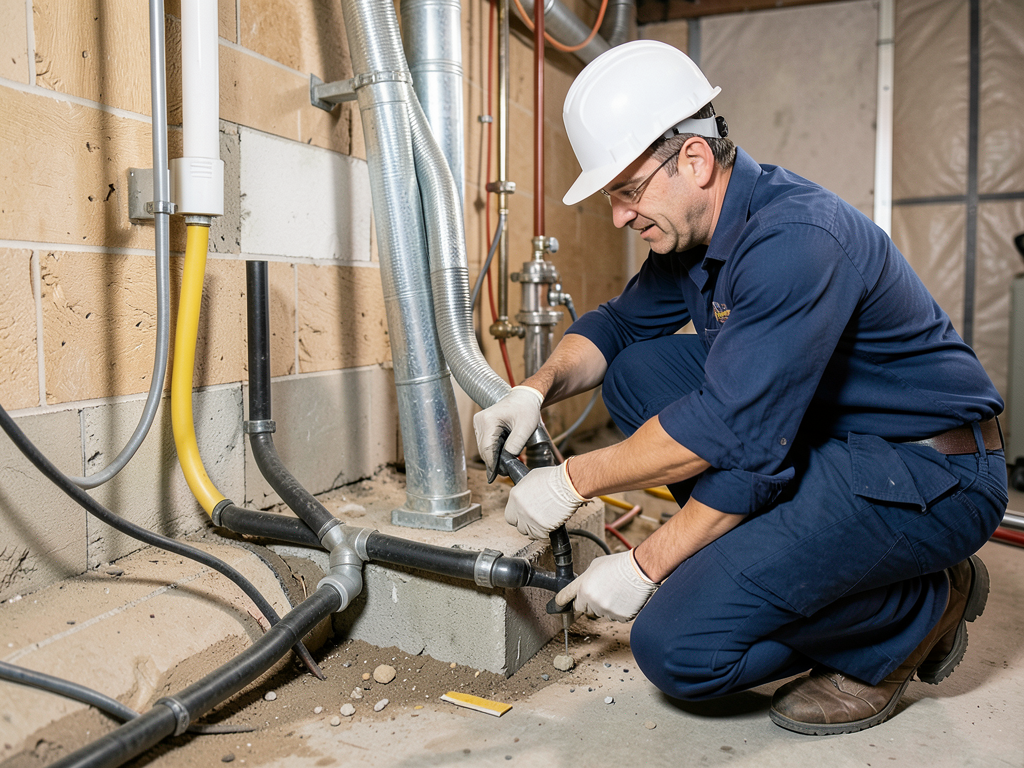
Radon mitigation requires specialized systems. Sub-slab depressurization involves installing pipes beneath the concrete foundation connected to an exhaust fan that vents radon outdoors. This creates negative pressure under the slab, preventing radon from entering living spaces. The Minnesota Department of Health requires NRPP certification for radon mitigation contractors. Weak Airflow from Vents.
However, HVAC systems play a supporting role in IAQ management. High-efficiency particulate air filters reduce airborne allergens. Ultraviolet light systems kill mold and bacteria in ductwork. Proper humidity control prevents condensation that can lead to mold growth. These systems work together but address different air quality concerns. How Much a New High Efficiency Furnace Really Costs in Minneapolis.
Testing and Remediation Steps for Twin Cities Homeowners
- Initial Testing
Place short-term test kits in the lowest livable area for 2-7 days. For more accurate results, use long-term tests for 90+ days. Minnesota law requires disclosure of radon test results during real estate transactions.
- Professional Assessment
If results exceed 4.0 pCi/L, contact a certified radon mitigation specialist. The specialist will inspect your foundation type and design an appropriate system. Common foundation types in Minneapolis include poured concrete, block, and crawl space.. Read more about Can Your Calhoun Isles HVAC System Actually Handle a HEPA Filter Upgrade?.
- System Installation
Sub-slab depressurization typically takes 4-6 hours. The system includes a PVC pipe from beneath the slab through the roof and a radon fan that runs continuously. Post-installation testing verifies system effectiveness.
- IAQ Monitoring Setup
Install HEPA filtration systems, UV lights, and humidity sensors as needed. Smart IAQ monitors provide real-time data through smartphone apps. These systems complement but do not replace radon mitigation.. Read more about How Fresh Air Ventilation Systems (ERV and HRV) Help Tight Homes Breathe Better.
Seasonal Impact on Radon Levels in Minneapolis
Radon levels fluctuate with seasonal changes. During winter months, Minneapolis homes operate with sealed windows and doors, creating pressure differentials that increase radon entry. The stack effect intensifies as warm air rises through the building, pulling soil gases upward.
Summer humidity affects both radon and IAQ. High moisture levels increase mold growth potential. Air conditioning creates negative pressure that can draw radon from the soil. Continuous operation of radon mitigation systems becomes essential year-round in Minnesota’s climate. Switching to a Cold Climate Heat Pump in Minnesota (Is It Worth It?).
Spring and fall bring temperature swings that cause foundation materials to expand and contract. This movement can create new cracks in basement floors and walls, potentially increasing radon entry points. Regular foundation inspections help identify these changes before they become significant problems.
Cost Considerations for Minneapolis Homeowners
Radon test kits range from $15-25 for short-term tests to $25-50 for long-term tests. Professional testing costs $150-300 but provides more accurate results. Radon mitigation systems average $1,500-2,500 depending on home size and foundation type. The Minnesota Department of Health offers low-income assistance programs for mitigation.
IAQ monitoring systems vary widely in cost. Basic HEPA filters cost $50-200. Whole-house air purification systems range from $1,000-3,000 installed. Smart IAQ monitors with multiple sensors cost $200-500. Many homeowners combine radon mitigation with IAQ improvements for comprehensive air quality management.
Xcel Energy and CenterPoint Energy offer rebates for high-efficiency HVAC equipment that improves IAQ. These programs can offset 10-30% of installation costs. The Minneapolis Green Cost Share program provides additional incentives for energy-efficient home improvements.
Local Building Codes and Regulations
Minneapolis Mechanical and Fuel Gas Code requires radon mitigation systems in new construction with basements. The code specifies pipe sizing, fan ratings, and vent termination requirements. All mitigation systems must include warning devices that alert homeowners to fan failure.
Minnesota Statute 144.4961 mandates radon testing in specific circumstances, including real estate transactions and school buildings. The statute requires disclosure of test results to potential buyers. Hennepin County maintains records of radon test results for public access.
The National Radon Proficiency Program (NRPP) certification is required for radon mitigation contractors in Minnesota. This certification ensures contractors understand local geology, building science, and proper installation techniques. Uncertified mitigation work violates state regulations and may void home insurance coverage.
Protecting Your Family’s Health Year-Round
Radon exposure causes approximately 21,000 lung cancer deaths annually in the United States. The risk increases with exposure duration and smoking status. Minnesota’s high radon levels make testing essential for all homes, regardless of age or foundation type.
IAQ issues affect quality of life immediately through allergy symptoms, asthma attacks, and respiratory infections. Poor IAQ can cause headaches, fatigue, and difficulty concentrating. Children and elderly family members are most vulnerable to both radon and IAQ-related health problems.
Professional assessment provides peace of mind. Certified technicians use calibrated equipment to measure radon levels accurately. They evaluate your home’s specific conditions and recommend appropriate solutions. DIY test kits can miss elevated levels or provide false readings due to improper placement or environmental factors.
Frequently Asked Questions
Should I test for radon if I have an air purifier?
Yes. Air purifiers remove particles but cannot filter radon gas. Radon requires specialized testing and mitigation systems. Many homes with excellent IAQ still have dangerous radon levels.
How often should I test for radon in my Minneapolis home?
Test every 2-3 years or after major home renovations. Test if you install new HVAC equipment or make foundation modifications. Minnesota’s freeze-thaw cycles can create new entry points for radon.
Can I combine radon mitigation with my existing HVAC system?
Radon mitigation systems operate independently but can share vent stacks with existing plumbing vents. The radon fan must have its own dedicated power supply and warning system. Professional installation ensures code compliance.
Take Action to Protect Your Southwest Minneapolis Home
Radon and IAQ issues require different approaches but both deserve professional attention. Southwest Minneapolis homes face unique challenges from local geology and climate conditions. Testing provides the data you need to make informed decisions about your family’s health.
Don’t wait until health problems appear. Radon exposure occurs silently over years. IAQ issues can worsen quickly with seasonal changes. Professional testing identifies problems early when solutions are most effective and least expensive.
Call (651) 588-9677 today to schedule your radon test or IAQ assessment. Our certified technicians understand Minneapolis-specific challenges and provide solutions that protect your family year-round. The peace of mind is worth the call.
Pick up the phone and call (651) 588-9677 before the next season brings new air quality challenges to your home. Your family’s health deserves professional attention from local experts who understand Southwest Minneapolis conditions.
You may also find this helpful. Why Your Seward Bungalow Smells Like Dirty Socks When the AC Kicks On.
{
“@context”: “https://schema.org”,
“@type”: “BlogPosting”,
“headline”: “The Difference Between Radon Testing and Indoor Air Quality Monitoring for Southwest Minneapolis Families”,
“description”: “Understand the critical differences between radon testing and IAQ monitoring for your Southwest Minneapolis home. Learn about health risks, detection methods, and local solutions from certified HVAC professionals.”,
“wordCount”: 1529,
“datePublished”: “2026-04-17T15:10:00.000Z”,
“dateModified”: “2026-04-17T15:10:00.000Z”,
“inLanguage”: “en-US”,
“mainEntityOfPage”: {
“@type”: “WebPage”,
“@id”: “https://allprohvacminneapolis.com”
},
“publisher”: {
“@type”: “LocalBusiness”,
“name”: “All Pro HVAC Minneapolis”,
“url”: “https://allprohvacminneapolis.com”
},
“author”: {
“@type”: “Organization”,
“name”: “All Pro HVAC Minneapolis”,
“url”: “https://allprohvacminneapolis.com”
},
“image”: {
“@type”: “ImageObject”,
“url”: “https://allprohvacminneapolis.com/wp-content/uploads/2026/03/the-difference-between-radon-testing-and-indoor-ai-1.png”
}
}
{
“@context”: “https://schema.org”,
“@type”: “HVACBusiness”,
“name”: “All Pro HVAC Minneapolis”,
“url”: “https://allprohvacminneapolis.com”,
“address”: {
“@type”: “PostalAddress”,
“addressLocality”: “Minneapolis”
},
“areaServed”: {
“@type”: “City”,
“name”: “Minneapolis”
}
}
{
“@context”: “https://schema.org”,
“@type”: “FAQPage”,
“mainEntity”: [
{
“@type”: “Question”,
“name”: “Can Your HVAC System Solve a Radon Problem?”,
“acceptedAnswer”: {
“@type”: “Answer”,
“text”: “Standard HVAC equipment cannot eliminate radon gas. HEPA filters remove particles but allow radon to pass through. Energy recovery ventilators improve air exchange but do not address the source of radon entry. Heat recovery ventilators can actually increase radon levels by creating negative pressure that draws more soil gas into the home.”
}
},
{
“@type”: “Question”,
“name”: “Should I test for radon if I have an air purifier?”,
“acceptedAnswer”: {
“@type”: “Answer”,
“text”: “Yes. Air purifiers remove particles but cannot filter radon gas. Radon requires specialized testing and mitigation systems. Many homes with excellent IAQ still have dangerous radon levels.”
}
},
{
“@type”: “Question”,
“name”: “How often should I test for radon in my Minneapolis home?”,
“acceptedAnswer”: {
“@type”: “Answer”,
“text”: “Test every 2-3 years or after major home renovations. Test if you install new HVAC equipment or make foundation modifications. Minnesota’s freeze-thaw cycles can create new entry points for radon.”
}
},
{
“@type”: “Question”,
“name”: “Can I combine radon mitigation with my existing HVAC system?”,
“acceptedAnswer”: {
“@type”: “Answer”,
“text”: “Radon mitigation systems operate independently but can share vent stacks with existing plumbing vents. The radon fan must have its own dedicated power supply and warning system. Professional installation ensures code compliance.”
}
}
]
}
{
“@context”: “https://schema.org”,
“@type”: “HowTo”,
“name”: “Radon Testing and Mitigation Process”,
“step”: [
{
“@type”: “HowToStep”,
“position”: 1,
“name”: “Initial Testing”,
“text”: “Place short-term test kits in the lowest livable area for 2-7 days. For more accurate results, use long-term tests for 90+ days. Minnesota law requires disclosure of radon test results during real estate transactions.”
},
{
“@type”: “HowToStep”,
“position”: 2,
“name”: “Professional Assessment”,
“text”: “If results exceed 4.0 pCi/L, contact a certified radon mitigation specialist. The specialist will inspect your foundation type and design an appropriate system. Common foundation types in Minneapolis include poured concrete, block, and crawl space.”
},
{
“@type”: “HowToStep”,
“position”: 3,
“name”: “System Installation”,
“text”: “Sub-slab depressurization typically takes 4-6 hours. The system includes a PVC pipe from beneath the slab through the roof and a radon fan that runs continuously. Post-installation testing verifies system effectiveness.”
},
{
“@type”: “HowToStep”,
“position”: 4,
“name”: “IAQ Monitoring Setup”,
“text”: “Install HEPA filtration systems, UV lights, and humidity sensors as needed. Smart IAQ monitors provide real-time data through smartphone apps. These systems complement but do not replace radon mitigation.”
}
],
“image”: “https://allprohvacminneapolis.com/wp-content/uploads/2026/03/the-difference-between-radon-testing-and-indoor-ai-1.png”
}
{
“@context”: “https://schema.org”,
“@type”: “BreadcrumbList”,
“itemListElement”: [
{
“@type”: “ListItem”,
“position”: 1,
“name”: “Home”,
“item”: “https://allprohvacminneapolis.com”
},
{
“@type”: “ListItem”,
“position”: 2,
“name”: “Blog”,
“item”: “https://allprohvacminneapolis.com/blog”
},
{
“@type”: “ListItem”,
“position”: 3,
“name”: “The Difference Between Radon Testing and Indoor Air Quality Monitoring for Southwest Minneapolis Families”
}
]
}
{
“@context”: “https://schema.org”,
“@type”: “Service”,
“serviceType”: “HVAC”,
“provider”: {
“@type”: “LocalBusiness”,
“name”: “All Pro HVAC Minneapolis”,
“url”: “https://allprohvacminneapolis.com”
},
“areaServed”: {
“@type”: “City”,
“name”: “Minneapolis”
},
“description”: “Understand the critical differences between radon testing and IAQ monitoring for your Southwest Minneapolis home. Learn about health risks, detection methods, and local solutions from certified HVAC professionals.”
}