
That Burning Smell Coming From Your Vents (Is It Normal or a Phillips Neighborhood Fire Hazard?)
If you smell burning coming from your vents in Phillips Minneapolis right now you need to act fast. That odor could be harmless dust burning off or it could signal an electrical fire waiting to happen. Your home’s safety depends on knowing the difference within the next 60 seconds. Weak Airflow from Vents.
Phillips neighborhood homes built before 1920 often have aging ductwork and original furnace components that overheat when dust accumulates after months of sitting idle. The extreme Minneapolis temperature swings from sub-zero winters to humid summers stress these systems daily. A burning smell means something has reached a critical point. How Much a New High Efficiency Furnace Really Costs in Minneapolis.
Immediate Safety Steps Before You Do Anything Else
Turn off your HVAC system at the thermostat immediately. If you smell something stronger than dusty burning or see smoke head to your electrical panel and shut off the breaker for the furnace or air handler. Do not wait to investigate further. Carbon monoxide detectors should be tested monthly in Phillips homes due to the high concentration of older heating systems in the area.
Call (651) 588-9677 right now if the smell persists after shutting down the system. Our NATE-certified technicians respond to Phillips emergency calls within 45 minutes on average during peak seasons.
Identifying the Type of Burning Smell
Different burning odors indicate different problems. A dusty burning smell that fades after 30 minutes typically means accumulated dust on the heat exchanger is burning off. This happens when you first fire up the furnace in fall after months of inactivity.
An electrical burning smell with a sharp ozone edge suggests overheating wiring or a failing blower motor bearing. This smell gets stronger the longer the system runs. Burning plastic or rubber indicates melting insulation around wires or a failing capacitor.
A gunpowder or sulfur smell means a circuit board has failed or there is a gas leak. Mercaptan the chemical added to natural gas for detection smells like rotten eggs. Gas leaks require immediate evacuation and calling 911 from outside your home.
5 Common Causes of HVAC Burning Smells in Minneapolis Homes
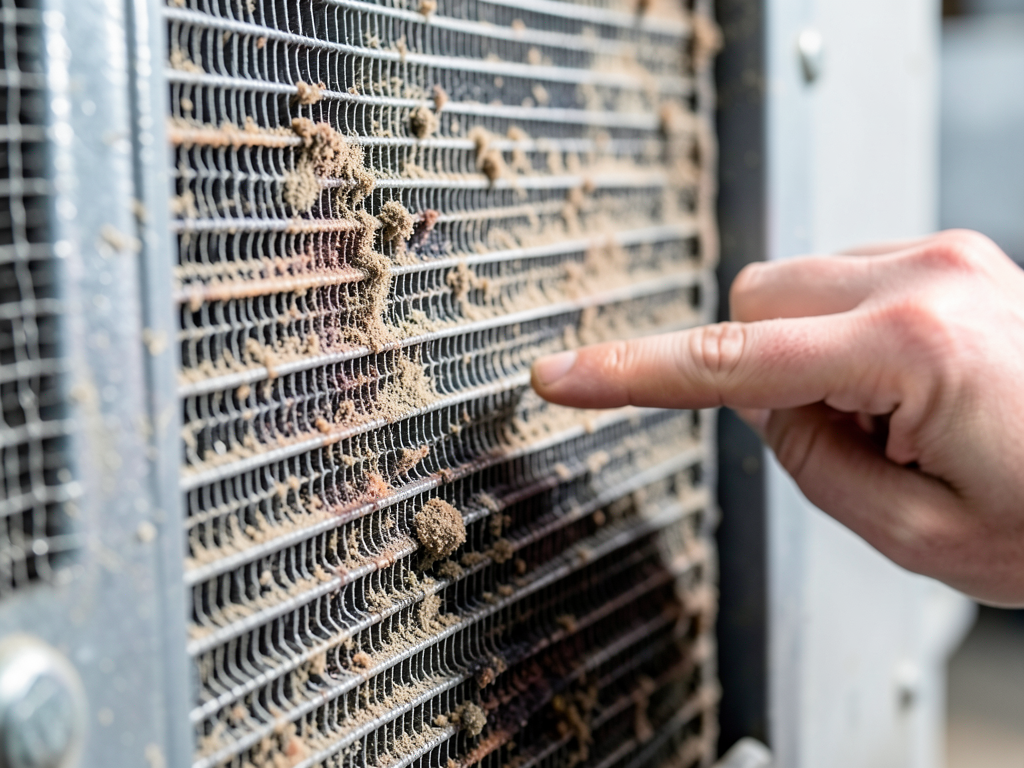
Dust accumulation on heat exchangers causes the most common burning smell in Phillips homes. When Minneapolis furnaces sit unused during summer months dust settles on the hot surfaces. The first cold morning that dust burns off creating a temporary odor that should clear within an hour.
Overheating blower motors create burning smells when bearings wear out or when the motor is forced to work against clogged air filters. The motor windings get hot enough to melt insulation creating that sharp electrical odor. Phillips neighborhood homes often have original 1940s era blower assemblies still in service. Fast AC Service for North Loop Condos and Lofts.
Frayed electrical wiring causes burning smells when insulation melts from heat or arcing. This creates a distinct burning plastic odor that does not go away. The National Electrical Code requires all HVAC wiring be protected by proper overcurrent devices but many older Phillips homes have outdated panels. National Association of Certified Home Inspectors furnace inspection guidelines.
Clogged air filters force systems to work harder increasing electrical draw and heat. A filter clogged with pet hair construction dust or pollen can cause the entire air handler to overheat. Minneapolis area homes with pets or near construction zones need filter changes every 30 days instead of the standard 90.
Broken capacitors prevent blower motors from starting properly causing them to hum and overheat. The capacitor stores electrical energy to give the motor the initial torque needed to spin up. When capacitors fail motors draw excessive current creating burning smells and potential fire hazards.
Is a Burning Smell Dangerous
A burning smell from your vents is always a warning sign. Even if it is just dust burning off the fact that dust accumulated to that level indicates poor maintenance. Dust buildup can ignite under the right conditions creating a fire hazard inside your ductwork.
Electrical burning smells indicate failing components that could start an electrical fire. The heat from an overheating motor or wiring can ignite nearby combustible materials. Phillips neighborhood homes with original cloth wiring are particularly vulnerable to this type of failure.
Gas related burning smells pose explosion risks. If you smell sulfur or rotten eggs evacuate immediately. Do not turn on lights or use your phone inside the house. Natural gas can accumulate in basements and create explosive conditions.
Carbon monoxide risks exist even though CO is odorless. A malfunctioning furnace can produce CO that circulates through your vents. Every Phillips home should have working CO detectors on every level especially near bedrooms.
When to Call a Minneapolis HVAC Professional
Call immediately if the burning smell persists more than 30 minutes after startup. If you notice any electrical burning odor or see smoke coming from vents do not wait. Phillips neighborhood homes with original heating systems should have annual inspections to catch problems before they create burning smells.
Our technicians carry infrared cameras to detect overheating components and combustion analyzers to check for proper gas burning. We stock common replacement parts for Minneapolis area furnace brands including Bryant Carrier and Lennox. Most emergency repairs in Phillips can be completed the same day. EPA carbon monoxide detector guidelines.
Professional diagnosis includes checking the heat exchanger for cracks testing electrical components and inspecting the venting system. Many Phillips homes have galvanized steel venting that corrodes over time creating dangerous conditions.
Preventing Burning Smells Through Regular Maintenance
Annual furnace maintenance prevents most burning smell issues. A professional cleaning removes dust from heat exchangers and burners. Lubricating motors and checking electrical connections prevents overheating. Phillips homeowners should schedule fall maintenance before the first cold snap.
Changing air filters monthly during heating season prevents airflow restrictions. Use pleated filters with a MERV rating between 8 and 11 for best balance of filtration and airflow. Higher MERV ratings restrict airflow in older systems causing overheating.
Testing carbon monoxide detectors monthly and replacing them every 5 to 7 years saves lives. CO detectors have expiration dates printed on the back. Phillips neighborhood homes should have detectors on every floor and near sleeping areas.
Keeping vents and returns clear of furniture and clutter maintains proper airflow. Blocked vents cause systems to work harder and overheat. Check that all vent covers are securely attached to prevent items from falling into ductwork.
Phillips Neighborhood Specific Considerations
Phillips homes built between 1880 and 1920 often have original radiant heating converted to forced air. These conversions can create airflow issues and dust accumulation points that newer homes do not experience. The narrow lot sizes in Phillips mean homes are often closer together increasing the risk of fire spread.
Many Phillips homes still have original knob and tube wiring that cannot handle modern HVAC electrical loads. This creates overheating risks when new high efficiency furnaces are installed without proper electrical upgrades. The Minneapolis electrical code now requires dedicated circuits for all HVAC equipment.
The neighborhood’s proximity to downtown means higher air pollution levels that accelerate filter clogging and heat exchanger fouling. Construction dust from nearby developments adds to this problem. Phillips homeowners often need more frequent maintenance than suburban residents.
Older homes in Phillips often have asbestos wrapped ducts or insulation. Disturbing these materials during repairs requires proper containment and disposal following EPA regulations. Our technicians are trained in asbestos safety procedures. Finding an AC Repair Team in Edina That Actually Shows Up on Time.
Cost Factors for Phillips Neighborhood Repairs
Blower motor replacement in Phillips typically costs between $350 and $600 including parts and labor. The wide range reflects whether you need a standard replacement or a hard to find motor for an older system. Capacitors cost $150 to $250 to replace including diagnosis.
Heat exchanger cleaning and inspection runs $175 to $300. If cracks are found replacement costs $800 to $2500 depending on furnace model and accessibility. Phillips homes with basement installations often have easier access than homes with attic units.
Electrical repairs vary widely based on what is found. Simple wiring fixes cost $150 to $300 while panel upgrades or circuit additions run $800 to $2000. Many Phillips homes need electrical work before safe HVAC repairs can be completed.
Emergency service calls in Phillips cost $125 to $175 for the trip plus repair costs. We offer priority service to existing maintenance plan customers at no additional trip charge.
Frequently Asked Questions
Is it normal for my furnace to smell like burning when I first turn it on in fall
Yes a dusty burning smell that fades within 30 minutes is normal. It means dust accumulated on the heat exchanger during months of non use is burning off. If the smell persists or is strong call a professional.
How can I tell if the burning smell is electrical or just dust
Dust burning smells like hot paper or dust and fades quickly. Electrical burning smells are sharper with an ozone edge and get stronger over time. If you are unsure turn off the system and call (651) 588-9677 for diagnosis.
Should I be worried about carbon monoxide if I smell burning
Carbon monoxide is odorless but a malfunctioning furnace that produces burning smells could also produce CO. Always have working CO detectors. If you experience flu like symptoms along with burning smells evacuate and call 911.
How often should I have my furnace inspected in Phillips
Phillips homes should have annual fall maintenance before heating season. Older systems may need twice yearly inspections. Regular maintenance catches problems before they create burning smells or safety hazards.
Take Action Now to Protect Your Home
Turn off your HVAC system if you smell burning and do not turn it back on until it is inspected. That burning smell is your home trying to tell you something is wrong. In Phillips neighborhood homes with aging systems that warning could save your home from fire or carbon monoxide poisoning.
Call (651) 588-9677 today to schedule your inspection. Our NATE certified technicians understand the unique challenges of Phillips neighborhood homes and can diagnose problems before they become emergencies. Do not wait until that burning smell becomes a fire or health hazard.
Regular maintenance costs far less than emergency repairs or fire damage. Protect your family and your investment with professional HVAC service from technicians who know Phillips homes inside and out.
{
“@context”: “https://schema.org”,
“@type”: “BlogPosting”,
“headline”: “That Burning Smell Coming From Your Vents (Is It Normal or a Phillips Neighborhood Fire Hazard?)”,
“description”: “Is that burning smell from your vents a Phillips neighborhood fire hazard or just dust burning off? Get the facts from Minneapolis HVAC experts.”,
“wordCount”: 1744,
“datePublished”: “2026-05-02T10:54:00.000Z”,
“dateModified”: “2026-05-02T10:54:00.000Z”,
“inLanguage”: “en-US”,
“mainEntityOfPage”: {
“@type”: “WebPage”,
“@id”: “https://allprohvacminneapolis.com”
},
“publisher”: {
“@type”: “LocalBusiness”,
“name”: “All Pro HVAC Minneapolis”,
“url”: “https://allprohvacminneapolis.com”
},
“author”: {
“@type”: “Organization”,
“name”: “All Pro HVAC Minneapolis”,
“url”: “https://allprohvacminneapolis.com”
},
“image”: {
“@type”: “ImageObject”,
“url”: “https://allprohvacminneapolis.com/wp-content/uploads/2026/03/that-burning-smell-coming-from-your-vents-is-it-no-1.png”
}
}
{
“@context”: “https://schema.org”,
“@type”: “HVACBusiness”,
“name”: “All Pro HVAC Minneapolis”,
“url”: “https://allprohvacminneapolis.com”,
“address”: {
“@type”: “PostalAddress”,
“addressLocality”: “Minneapolis”
},
“areaServed”: {
“@type”: “City”,
“name”: “Minneapolis”
}
}
{
“@context”: “https://schema.org”,
“@type”: “BreadcrumbList”,
“itemListElement”: [
{
“@type”: “ListItem”,
“position”: 1,
“name”: “Home”,
“item”: “https://allprohvacminneapolis.com”
},
{
“@type”: “ListItem”,
“position”: 2,
“name”: “Blog”,
“item”: “https://allprohvacminneapolis.com/blog”
},
{
“@type”: “ListItem”,
“position”: 3,
“name”: “That Burning Smell Coming From Your Vents (Is It Normal or a Phillips Neighborhood Fire Hazard?)”
}
]
}
{
“@context”: “https://schema.org”,
“@type”: “Service”,
“serviceType”: “HVAC”,
“provider”: {
“@type”: “LocalBusiness”,
“name”: “All Pro HVAC Minneapolis”,
“url”: “https://allprohvacminneapolis.com”
},
“areaServed”: {
“@type”: “City”,
“name”: “Minneapolis”
},
“description”: “Is that burning smell from your vents a Phillips neighborhood fire hazard or just dust burning off? Get the facts from Minneapolis HVAC experts.”
}