
Simple Steps to Winterize Your Burnsville HVAC System Before the First Big Freeze
The first hard freeze in Burnsville typically hits by mid-October when overnight temperatures drop below 32°F. That cold snap can damage your AC condenser if you haven’t taken the right steps. Winterizing your system now prevents cracked coils frozen pipes and pest damage that could cost hundreds in spring repairs. EPA refrigerant handling requirements.
Minneapolis winters are brutal. Your outdoor AC unit sits exposed to heavy snow loads ice dams and wind chills that can drop to -20°F. Taking 30 minutes to shut down and protect your system saves you from emergency service calls when you’d rather be cozy indoors. Fast AC Service for North Loop Condos and Lofts.
Why Winterizing is Non-Negotiable for Minnesota Homeowners
Burnsville sits in the heart of Minnesota’s freeze-thaw cycle. Water trapped in your condenser coils expands when it freezes. That expansion cracks copper tubing and damages the compressor. The Minnesota Pollution Control Agency reports that HVAC failures spike 40% in spring due to winter damage that could have been prevented.
Local building codes require proper winterization of all outdoor mechanical equipment. The City of Burnsville follows the Minnesota State Building Code which mandates protecting exterior plumbing and HVAC components from freeze damage. Skipping this step could void your manufacturer warranty.
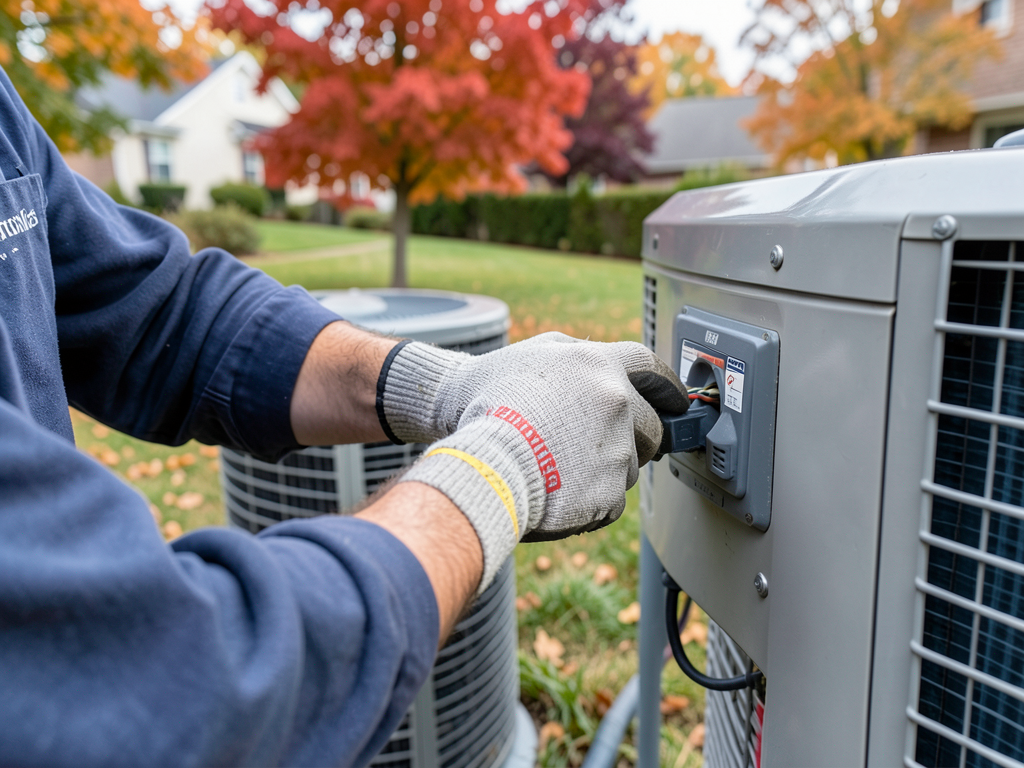
Step 1: Power Down at the Disconnect Switch
Locate the electrical disconnect box near your outdoor condenser unit. It’s usually a small gray or black metal box mounted on the exterior wall. Open the cover and either flip the switch to OFF or pull out the disconnect block. This cuts power to the unit preventing accidental startup during a warm winter day.
Without power the unit cannot run if someone accidentally turns on the thermostat. Running an AC in freezing weather damages the compressor instantly. The U.S. Department of Energy recommends this step as your first line of defense against winter damage. U.S. Department of Energy AC maintenance guide.
Step 2: Clean the Exterior Condenser Unit
Remove leaves grass clippings and cottonwood seeds that collected around the unit over summer. Use a garden hose with moderate pressure to spray down the coils. Don’t use a pressure washer as it can bend the delicate aluminum fins. Spray from the inside out to push debris away from the unit.
Burnsville’s heavy tree cover means your unit likely has more organic debris than suburban areas with fewer trees. Cottonwood trees along the Minnesota River release fluffy seeds that clog condenser coils. Clean coils improve airflow and prevent moisture buildup that leads to corrosion. Weak Airflow from Vents.
Step 3: Inspect for Damage and Pests
Check for signs of rodent nesting. Mice and voles seek warm spaces when temperatures drop. Look for chewed wires droppings or nesting materials inside the unit. Minnesota’s cold winters drive rodents to seek shelter in any available space including your AC condenser.
Inspect the copper refrigerant lines for signs of wear. Look for oil stains which indicate refrigerant leaks. The Environmental Protection Agency requires fixing refrigerant leaks before winter to prevent environmental damage. Small leaks become big problems when the system sits dormant for months. Fixing Old Boilers in Historic South Minneapolis Homes.
Step 4: Insulate Exposed Pipes
Foam pipe insulation protects the copper refrigerant lines from freezing. Measure the pipe diameter and buy insulation sleeves that fit snugly. Cut the insulation to length and slide it over the exposed pipes. Secure with weatherproof tape. Pay special attention to pipes that run along exterior walls or through unheated spaces.
The Minnesota Department of Commerce Energy Guide recommends insulating all exterior plumbing to prevent freeze damage. Uninsulated pipes can freeze in hours during a polar vortex. Burst pipes cause water damage and require expensive repairs. Finding an AC Repair Team in Edina That Actually Shows Up on Time.
Step 5: To Cover or Not to Cover? (Minneapolis Pro Tips)
Should you cover your AC unit? The answer depends on your specific situation. A breathable mesh cover protects against snow and ice while allowing moisture to escape. Plastic tarps trap moisture causing rust and mold growth. The International Association of Certified Home Inspectors recommends breathable covers for Minnesota’s humid winters.
If you have overhead trees a cover prevents falling branches and animal nesting. But if your unit sits in an open area with good drainage skip the cover. Snow actually insulates the unit from extreme cold. Never cover a heat pump that provides winter heating.
Common Winter AC Maintenance Mistakes to Avoid
Many homeowners make simple mistakes that cause expensive damage. Running the AC during a warm spell in January can crack the compressor when temperatures drop again. Always double-check that the disconnect switch is off before winter.
Don’t use plastic sheeting as a cover. It creates a greenhouse effect that traps moisture and accelerates corrosion. Minnesota’s freeze-thaw cycles create condensation that needs to escape. A solid plywood board on top provides protection without trapping moisture.
Avoid piling snow against the unit. While snow provides some insulation packed snow blocks airflow and creates ice dams. Keep at least 12 inches of clearance around the entire unit. This allows proper drainage when snow melts.
When to Call a Professional HVAC Technician
Some winterization tasks require professional expertise. If you notice oil stains on the unit or hear unusual noises during your inspection call a technician. Refrigerant leaks require EPA-certified technicians to repair and recharge the system.
Professional inspection catches problems you might miss. A technician can test electrical connections check for proper drainage and ensure all components are ready for winter dormancy. The National Association of Home Builders recommends annual professional maintenance for HVAC systems.
Consider professional service if your unit is over 10 years old. Older systems have more wear and may need specific winterization procedures. A technician can also check if your system qualifies for energy efficiency rebates through Xcel Energy’s Minnesota programs. How Much a New High Efficiency Furnace Really Costs in Minneapolis.
Frequently Asked Questions about AC Winterization
Can I just turn off the thermostat instead of using the disconnect switch?
No. The thermostat only stops the indoor unit from calling for cooling. The outdoor condenser can still receive power through the wiring. The disconnect switch completely cuts power to the outdoor unit preventing any accidental startup.
How late can I wait to winterize my AC in Burnsville?
Ideally complete winterization by October 15th. The first hard freeze typically arrives between October 10-20. Waiting until after the first freeze risks damage from ice expansion in the coils and pipes.
Should I remove window AC units for winter?
Yes. Window units should be removed and stored indoors. Leaving them in place creates air leaks and cold drafts. The U.S. Department of Energy estimates that improperly sealed window units increase heating costs by 5-10%.
What about heat pumps? Do they need winterization?
No. Heat pumps provide winter heating so they should run year-round. However you should still clean the coils and check for damage. Some heat pumps have a defrost cycle that prevents ice buildup on the coils.
How much does professional winterization cost?
Professional winterization typically costs $75-150 depending on your system’s condition and location. This investment prevents $500-2000 in potential spring repairs from freeze damage or pest infestation.
Protecting Your Investment Through Minnesota Winters
Your HVAC system represents a significant investment in your home’s comfort and value. Taking time to winterize properly extends equipment life and prevents emergency repairs. Burnsville’s location along the Minnesota River means higher humidity levels that accelerate corrosion if moisture gets trapped in your AC unit.
Local weather patterns create unique challenges. The area experiences more freeze-thaw cycles than northern Minnesota due to its southern location. This means more opportunities for water to freeze and expand in small spaces. Proper winterization addresses these specific regional risks.
Don’t wait until the first big snowstorm hits. Pick a warm fall day to complete your winterization checklist. Your future self will thank you when your AC starts right up next spring without expensive repairs.
- Power Down at Disconnect Switch
Locate and turn off the electrical disconnect box near your outdoor condenser unit.
- Clean Exterior Condenser Unit
Remove debris and spray down coils with a garden hose to prevent corrosion.
- Inspect for Damage and Pests
Check for rodent nesting signs and refrigerant leaks before winter dormancy.
- Insulate Exposed Pipes
Apply foam insulation sleeves to copper refrigerant lines to prevent freezing.
- Decide on Cover Strategy
Use a breathable mesh cover or skip covering based on your unit’s location.
Ready to protect your AC system before the first big freeze? Call (651) 588-9677 today to schedule your professional winterization inspection. Our technicians know exactly what Burnsville’s harsh winters demand and can spot potential problems before they become expensive repairs.
Don’t risk your comfort next summer. Pick up the phone and call (651) 588-9677 before the next storm hits. We’ll ensure your system is ready for whatever Minnesota weather throws our way.
{
“@context”: “https://schema.org”,
“@type”: “BlogPosting”,
“headline”: “Simple Steps to Winterize Your Burnsville HVAC System Before the First Big Freeze”,
“description”: “Protect your Burnsville AC unit from harsh Minnesota winters with this step-by-step guide. Learn how to winterize your system before the first big freeze hits.”,
“wordCount”: 1497,
“datePublished”: “2026-05-12T07:40:00.000Z”,
“dateModified”: “2026-05-12T07:40:00.000Z”,
“inLanguage”: “en-US”,
“mainEntityOfPage”: {
“@type”: “WebPage”,
“@id”: “https://allprohvacminneapolis.com”
},
“publisher”: {
“@type”: “LocalBusiness”,
“name”: “All Pro HVAC Minneapolis”,
“url”: “https://allprohvacminneapolis.com”
},
“author”: {
“@type”: “Organization”,
“name”: “All Pro HVAC Minneapolis”,
“url”: “https://allprohvacminneapolis.com”
},
“image”: {
“@type”: “ImageObject”,
“url”: “https://allprohvacminneapolis.com/wp-content/uploads/2026/03/simple-steps-to-winterize-your-burnsville-hvac-sys-1.png”
}
}
{
“@context”: “https://schema.org”,
“@type”: “HVACBusiness”,
“name”: “All Pro HVAC Minneapolis”,
“url”: “https://allprohvacminneapolis.com”,
“address”: {
“@type”: “PostalAddress”,
“addressLocality”: “Minneapolis”
},
“areaServed”: {
“@type”: “City”,
“name”: “Minneapolis”
}
}
{
“@context”: “https://schema.org”,
“@type”: “FAQPage”,
“mainEntity”: [
{
“@type”: “Question”,
“name”: “Can I just turn off the thermostat instead of using the disconnect switch?”,
“acceptedAnswer”: {
“@type”: “Answer”,
“text”: “No. The thermostat only stops the indoor unit from calling for cooling. The outdoor condenser can still receive power through the wiring. The disconnect switch completely cuts power to the outdoor unit preventing any accidental startup.”
}
},
{
“@type”: “Question”,
“name”: “How late can I wait to winterize my AC in Burnsville?”,
“acceptedAnswer”: {
“@type”: “Answer”,
“text”: “Ideally complete winterization by October 15th. The first hard freeze typically arrives between October 10-20. Waiting until after the first freeze risks damage from ice expansion in the coils and pipes.”
}
},
{
“@type”: “Question”,
“name”: “Should I remove window AC units for winter?”,
“acceptedAnswer”: {
“@type”: “Answer”,
“text”: “Yes. Window units should be removed and stored indoors. Leaving them in place creates air leaks and cold drafts. The U.S. Department of Energy estimates that improperly sealed window units increase heating costs by 5-10%.”
}
},
{
“@type”: “Question”,
“name”: “What about heat pumps? Do they need winterization?”,
“acceptedAnswer”: {
“@type”: “Answer”,
“text”: “No. Heat pumps provide winter heating so they should run year-round. However you should still clean the coils and check for damage. Some heat pumps have a defrost cycle that prevents ice buildup on the coils.”
}
},
{
“@type”: “Question”,
“name”: “How much does professional winterization cost?”,
“acceptedAnswer”: {
“@type”: “Answer”,
“text”: “Professional winterization typically costs $75-150 depending on your system’s condition and location. This investment prevents $500-2000 in potential spring repairs from freeze damage or pest infestation.”
}
}
]
}
{
“@context”: “https://schema.org”,
“@type”: “HowTo”,
“name”: “How to Winterize Your AC Unit”,
“step”: [
{
“@type”: “HowToStep”,
“position”: 1,
“name”: “Power Down at Disconnect Switch”,
“text”: “Locate and turn off the electrical disconnect box near your outdoor condenser unit.”
},
{
“@type”: “HowToStep”,
“position”: 2,
“name”: “Clean Exterior Condenser Unit”,
“text”: “Remove debris and spray down coils with a garden hose to prevent corrosion.”
},
{
“@type”: “HowToStep”,
“position”: 3,
“name”: “Inspect for Damage and Pests”,
“text”: “Check for rodent nesting signs and refrigerant leaks before winter dormancy.”
},
{
“@type”: “HowToStep”,
“position”: 4,
“name”: “Insulate Exposed Pipes”,
“text”: “Apply foam insulation sleeves to copper refrigerant lines to prevent freezing.”
},
{
“@type”: “HowToStep”,
“position”: 5,
“name”: “Decide on Cover Strategy”,
“text”: “Use a breathable mesh cover or skip covering based on your unit’s location.”
}
],
“image”: “https://allprohvacminneapolis.com/wp-content/uploads/2026/03/simple-steps-to-winterize-your-burnsville-hvac-sys-1.png”
}
{
“@context”: “https://schema.org”,
“@type”: “BreadcrumbList”,
“itemListElement”: [
{
“@type”: “ListItem”,
“position”: 1,
“name”: “Home”,
“item”: “https://allprohvacminneapolis.com”
},
{
“@type”: “ListItem”,
“position”: 2,
“name”: “Blog”,
“item”: “https://allprohvacminneapolis.com/blog”
},
{
“@type”: “ListItem”,
“position”: 3,
“name”: “Simple Steps to Winterize Your Burnsville HVAC System Before the First Big Freeze”
}
]
}
{
“@context”: “https://schema.org”,
“@type”: “Service”,
“serviceType”: “HVAC”,
“provider”: {
“@type”: “LocalBusiness”,
“name”: “All Pro HVAC Minneapolis”,
“url”: “https://allprohvacminneapolis.com”
},
“areaServed”: {
“@type”: “City”,
“name”: “Minneapolis”
},
“description”: “Protect your Burnsville AC unit from harsh Minnesota winters with this step-by-step guide. Learn how to winterize your system before the first big freeze hits.”
}