
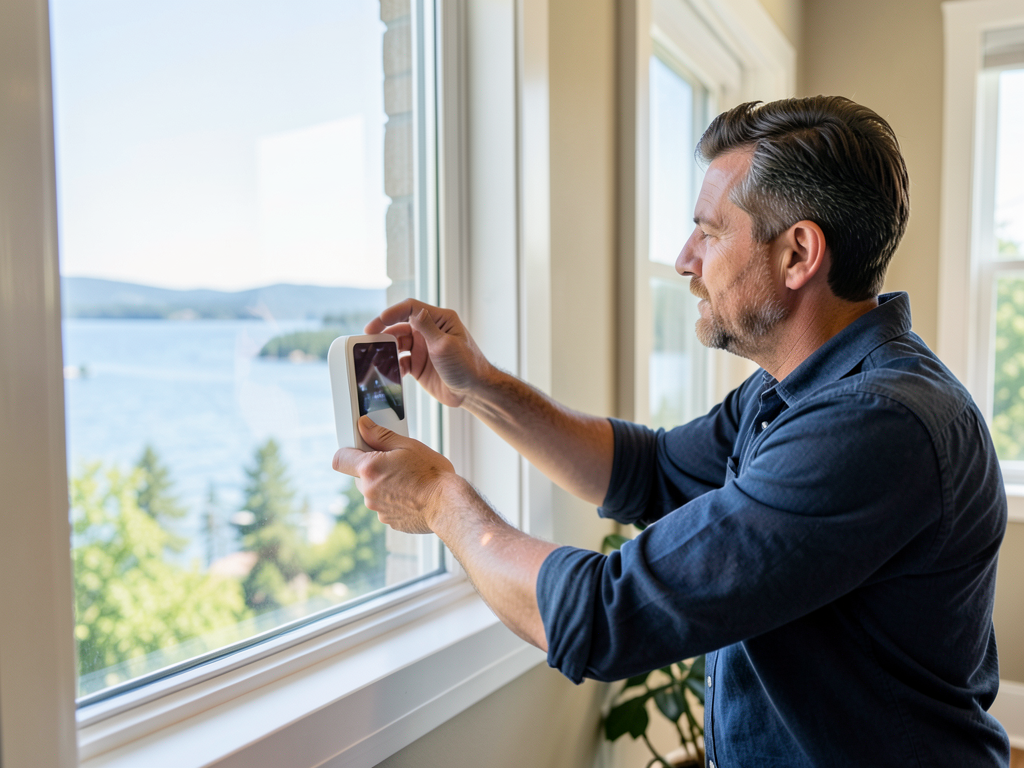
Setting Your Thermostat for the Winter While You Head South from Sunfish Lake
When you’re heading south from Sunfish Lake for the winter months the thermostat setting becomes one of the most critical decisions you’ll make. Set it too low and you risk frozen pipes that can burst and flood your home. Set it too high and you’re wasting money heating an empty house. The sweet spot for Minneapolis winters is between 50 and 55 degrees Fahrenheit. This range keeps your home warm enough to prevent freezing while saving you significant energy costs compared to a normal 68-70 degree setting.. Read more about Why Putting Your Thermostat in the Wrong Spot is Ruining Your Comfort in St. Anthony.
Minneapolis winters are brutal with temperatures often dropping below zero especially during a polar vortex event. Your furnace needs to work harder in these conditions and the last thing you want is to come home to water damage from a burst pipe. The 50-55 degree range provides a safety buffer that accounts for cold spots near exterior walls and in basements where pipes are most vulnerable. How Much a New High Efficiency Furnace Really Costs in Minneapolis.
Why 50-55 Degrees is the Golden Range for Minnesota Winters
The 50-55 degree range works because it balances two competing needs. First it prevents water from freezing in your pipes. Water freezes at 32 degrees but pipes in exterior walls or unheated basements can freeze even when the thermostat reads higher. Second it keeps your furnace from running constantly which extends its lifespan and saves on energy bills. Weak Airflow from Vents.
Minneapolis building codes require minimum insulation levels in exterior walls and attics. Homes in Sunfish Lake built before 2015 may have lower R-values than current standards. If your home has older insulation you might want to lean toward 55 degrees rather than 50 to provide extra protection.
Factors That Change Your Strategy
Several factors affect the ideal thermostat setting for your vacant home. The age and insulation level of your home matters significantly. Older homes with less insulation lose heat faster through walls and windows. Homes with basements have different considerations than slab-on-grade construction.
Pipe location is critical. Pipes in exterior walls are more vulnerable than those in interior walls. If you have plumbing in an unheated garage or crawl space you need to account for those areas separately. Some homeowners install temperature sensors in these vulnerable spots to monitor conditions remotely. EPA humidity control recommendations.
Your heating system type also matters. Forced air furnaces heat spaces more quickly than hot water boilers. If you have a boiler system you might want to set the thermostat slightly higher since these systems respond more slowly to temperature drops. Fixing Old Boilers in Historic South Minneapolis Homes.
The Role of Humidity and Condensation
Minnesota winters are extremely dry. When you close up your home for months the indoor air can become uncomfortably dry. This dryness affects wood floors furniture and even musical instruments. Many homeowners don’t realize that proper humidity levels help prevent wood shrinkage and cracking.
A whole house humidifier set to maintain 30-40% relative humidity can protect your home’s interior. This range prevents excessive drying without creating condensation on windows which can lead to mold growth. The humidifier should be connected to your furnace and set before you leave.
Dew point is another consideration. When warm moist air hits cold surfaces condensation forms. In a closed home this can happen on windows or in wall cavities. Proper humidity control and adequate insulation prevent these issues.
Beyond the Thermostat A Winter Vacancy Checklist
Setting the thermostat is just one part of winterizing your Sunfish Lake home. A comprehensive approach prevents multiple types of damage. Here’s what experienced homeowners do before heading south:
- Shut Off Main Water Valve
Turn off the main water supply to prevent flooding if a pipe does burst. Drain the system by opening all faucets and flushing toilets.. Read more about Why There Is a Puddle of Water Around Your Furnace in Diamond Lake.
- Open Cabinet Doors
Open kitchen and bathroom cabinet doors to allow warm air to circulate around plumbing.
- Set Up Battery Backup
Install battery backup for your thermostat and WiFi router so you can monitor conditions remotely even during a power outage.
- Arrange for Emergency Access
Give a trusted neighbor or property manager a key and your contact information.
- Check Sump Pump
Test your sump pump and consider adding a battery backup to prevent basement flooding during thaws.
- Install Smart Thermostat
Upgrade to a smart thermostat that sends alerts if temperatures drop unexpectedly.
Smart Thermostats Monitoring Your Minneapolis Home Remotely
Smart thermostats have revolutionized how we manage vacant homes. Models from Nest Ecobee and Honeywell Learning Thermostat allow you to monitor and adjust your home’s temperature from anywhere. These devices send alerts if temperatures drop below your set threshold.
Many smart thermostats integrate with home automation systems. You can receive notifications on your phone if the furnace fails or if power is lost. Some models even monitor humidity levels and air quality providing a complete picture of your home’s condition.
Xcel Energy and CenterPoint Energy offer rebates for smart thermostat installations. These rebates can offset the initial cost making this technology more accessible. The energy savings from optimized heating schedules often pay for the device within a year or two.
Special Considerations for Sunfish Lake Homes
Homes in Sunfish Lake face specific challenges. The area’s mix of newer construction and mid-century homes means varying levels of insulation and heating system efficiency. Many homes near the lake have crawl spaces or basements that require special attention.
The lake effect can create microclimates in Sunfish Lake. Areas closer to the lake may experience slightly milder temperatures but also higher humidity. This affects how your home responds to cold weather and what settings work best. Switching to a Cold Climate Heat Pump in Minnesota (Is It Worth It?).
Sunfish Lake’s mature tree canopy while beautiful can create additional challenges. Falling branches during winter storms can damage power lines leading to extended outages. A whole house generator or reliable battery backup becomes essential for maintaining temperature control during these events.
Emergency Response Planning
Even with the best planning emergencies happen. Furnace failures power outages and extreme cold snaps can overwhelm your home’s defenses. Having a plan prevents minor issues from becoming major disasters.
Keep a list of emergency contacts including your HVAC company plumber and a local property manager. Post these numbers near your thermostat and in your phone contacts. Consider a service agreement with a local HVAC company that includes priority service for winter emergencies. Fast AC Service for North Loop Condos and Lofts.
Many insurance policies have specific requirements for vacant homes. Some require daily checks if your home will be unoccupied for extended periods. Check your policy and comply with all requirements to ensure coverage remains valid.
Cost Considerations and Energy Savings
Setting your thermostat to 50-55 degrees instead of 68-70 can reduce your heating bill by 30-40%. For a typical Sunfish Lake home this translates to hundreds of dollars in savings over a winter season. The exact savings depend on your home’s size insulation and the severity of the winter.
Energy usage data shows that heating a home to 55 degrees uses significantly less energy than heating to 68 degrees. The relationship isn’t linear because heat loss increases dramatically as the temperature difference between inside and outside grows larger.
Smart thermostats can optimize these savings further by learning your home’s heating patterns and adjusting automatically. They can also take advantage of off-peak electricity rates when available through your utility provider.
Common Mistakes to Avoid
Many homeowners make preventable mistakes when winterizing their homes. Here are the most common errors and how to avoid them:
- Setting the thermostat too low thinking they’ll save more money
- Forgetting to drain the water system after shutting off the main valve
- Neglecting to test the sump pump before leaving
- Assuming their old thermostat will work reliably for months without monitoring
- Failing to arrange for someone to check on the property periodically
Each of these mistakes has led to costly damage for Minneapolis homeowners. Taking the time to do things right prevents these expensive lessons.
When to Call a Professional
Some situations warrant professional help before you leave for the winter. If your furnace is over 15 years old consider a professional inspection to ensure it can handle the workload. Older systems are more likely to fail during extreme cold.
If you have a boiler system with radiators a professional can bleed the system and check for leaks. These systems require different maintenance than forced air furnaces. Hydronic heating systems can develop air pockets that reduce efficiency and cause uneven heating.
Professional winterization services can also install temperature sensors in vulnerable areas. These sensors alert you or your property manager if temperatures drop below safe levels anywhere in your home.
Local Building Code Considerations
Minneapolis Mechanical Code Section 301 requires that heating systems maintain minimum temperatures to prevent freezing in all areas of a building. While this primarily applies to occupied buildings it influences how we think about vacant home protection.
Minnesota State Building Code Chapter 1346 addresses energy efficiency requirements that affect how homes retain heat. Homes built to current standards lose less heat through walls and windows making temperature management easier.
Local amendments to the International Residential Code often address specific Minneapolis climate challenges. These codes evolve based on lessons learned from winter emergencies and changing climate patterns.
Technology Solutions for Peace of Mind
Beyond smart thermostats several technologies can provide additional security. WiFi-enabled water leak detectors placed near water heaters and under sinks can alert you to problems before they become disasters.
Remote security cameras allow you to visually inspect your property. Some systems include temperature and humidity monitoring built into the camera hardware. This multi-function approach provides comprehensive protection.
Cellular backup systems ensure you stay connected even if your home’s internet service fails. These battery-powered devices maintain your smart home connection during power outages.
Preparing for Your Return
Coming back to a cold house in March or April requires its own preparation. Before you leave arrange for your heating system to be restarted and checked. Many HVAC companies offer spring startup services specifically for snowbird homeowners.
Have your water system professionally restarted to prevent air locks and pressure issues. This includes checking for leaks that may have developed during your absence.
Consider scheduling a whole house cleaning before your return. Closed homes can develop musty odors even with proper humidity control. A professional cleaning refreshes the space for your arrival.
Insurance and Liability Considerations
Most homeowner insurance policies have specific provisions for vacant homes. Some require that you maintain heat at a minimum temperature. Others require periodic checks if the home will be unoccupied for more than 30 days.
Document your winterization efforts. Keep records of thermostat settings maintenance performed and any professional services hired. This documentation can be crucial if you need to file a claim.
Consider a vacant home endorsement if you’ll be away for extended periods regularly. This specialized coverage addresses the unique risks of long-term vacancy.
Environmental Impact
Setting your thermostat lower isn’t just good for your wallet it’s good for the environment. Reducing energy consumption decreases your carbon footprint. A home set to 55 degrees instead of 70 degrees uses significantly less natural gas or electricity.
Minneapolis has set ambitious climate goals including reducing greenhouse gas emissions. Individual actions like proper thermostat management contribute to these community-wide objectives.
Consider pairing your energy savings with carbon offset programs. Many utility companies offer options to support renewable energy development with a small additional charge on your bill.
Local Resources and Support
Sunfish Lake residents have access to several local resources for winter home management. The Sunfish Lake community association often shares seasonal tips and connects residents with trusted service providers.
Local hardware stores in nearby Mendota Heights and West St. Paul stock winterization supplies specifically chosen for our climate. Their staff understands the unique challenges of Minnesota winters.
Several property management companies specialize in seasonal homes. They can provide regular checks monitoring and emergency response services giving you complete peace of mind while you’re away.
Final Recommendations
For most Sunfish Lake homeowners heading south for the winter setting your thermostat to 50-55 degrees provides the best balance of protection and energy savings. This range prevents frozen pipes while significantly reducing your heating costs.
Combine this setting with comprehensive winterization including water shutoff humidity control and smart monitoring technology. These steps work together to protect your home during the coldest months.. Read more about Simple Steps to Winterize Your Burnsville HVAC System Before the First Big Freeze.
Remember that every home is different. Factors like insulation age construction type and location affect the ideal settings. When in doubt err on the side of caution. The cost of a slightly higher heating bill pales in comparison to the expense of water damage from burst pipes.
Call (651) 588-9677 today to schedule your pre-winter HVAC inspection. Our technicians can evaluate your system recommend optimal settings and install monitoring equipment to keep your Sunfish Lake home safe all winter long.
Frequently Asked Questions
What is the lowest safe temperature to set my thermostat in winter?
The safest minimum temperature is 50-55 degrees Fahrenheit. This range prevents frozen pipes while saving energy. Homes with poor insulation or older plumbing might need to set it slightly higher around 55-60 degrees.
Should I shut off the water when I leave for the winter?
Yes shutting off the main water valve is highly recommended. After shutting it off drain the system by opening all faucets and flushing toilets. This prevents flooding if a pipe bursts while you’re away.
Do I need a smart thermostat for my vacant home?
While not absolutely necessary a smart thermostat provides significant benefits for vacant homes. It allows remote monitoring sends alerts if temperatures drop and can integrate with other smart home systems for comprehensive protection.
How often should someone check on my home while I’m away?
Most insurance companies require checking every 48-72 hours for extended vacancies. Even if not required having someone check weekly provides an extra layer of security and catches problems early.
Will my pipes freeze if the power goes out?
Pipes can freeze during power outages especially if temperatures drop below zero. Battery backup for your thermostat and WiFi router helps maintain monitoring. Consider a whole house generator for extended protection during winter outages. For more information, visit Energy.gov home heating guide.
{
“@context”: “https://schema.org”,
“@type”: “BlogPosting”,
“headline”: “Setting Your Thermostat for the Winter While You Head South from Sunfish Lake”,
“description”: “Learn the safest thermostat settings for your Minneapolis home while you’re away this winter. Prevent frozen pipes and high energy bills with expert advice from All Pro HVAC.”,
“wordCount”: 2384,
“datePublished”: “2026-05-05T13:29:00.000Z”,
“dateModified”: “2026-05-05T13:29:00.000Z”,
“inLanguage”: “en-US”,
“mainEntityOfPage”: {
“@type”: “WebPage”,
“@id”: “https://allprohvacminneapolis.com”
},
“publisher”: {
“@type”: “LocalBusiness”,
“name”: “All Pro HVAC Minneapolis”,
“url”: “https://allprohvacminneapolis.com”
},
“author”: {
“@type”: “Organization”,
“name”: “All Pro HVAC Minneapolis”,
“url”: “https://allprohvacminneapolis.com”
},
“image”: {
“@type”: “ImageObject”,
“url”: “https://allprohvacminneapolis.com/wp-content/uploads/2026/03/setting-your-thermostat-for-the-winter-while-you-h-1.png”
}
}
{
“@context”: “https://schema.org”,
“@type”: “HVACBusiness”,
“name”: “All Pro HVAC Minneapolis”,
“url”: “https://allprohvacminneapolis.com”,
“address”: {
“@type”: “PostalAddress”,
“addressLocality”: “Minneapolis”
},
“areaServed”: {
“@type”: “City”,
“name”: “Minneapolis”
}
}
{
“@context”: “https://schema.org”,
“@type”: “FAQPage”,
“mainEntity”: [
{
“@type”: “Question”,
“name”: “What is the lowest safe temperature to set my thermostat in winter?”,
“acceptedAnswer”: {
“@type”: “Answer”,
“text”: “The safest minimum temperature is 50-55 degrees Fahrenheit. This range prevents frozen pipes while saving energy. Homes with poor insulation or older plumbing might need to set it slightly higher around 55-60 degrees.”
}
},
{
“@type”: “Question”,
“name”: “Should I shut off the water when I leave for the winter?”,
“acceptedAnswer”: {
“@type”: “Answer”,
“text”: “Yes shutting off the main water valve is highly recommended. After shutting it off drain the system by opening all faucets and flushing toilets. This prevents flooding if a pipe bursts while you’re away.”
}
},
{
“@type”: “Question”,
“name”: “Do I need a smart thermostat for my vacant home?”,
“acceptedAnswer”: {
“@type”: “Answer”,
“text”: “While not absolutely necessary a smart thermostat provides significant benefits for vacant homes. It allows remote monitoring sends alerts if temperatures drop and can integrate with other smart home systems for comprehensive protection.”
}
},
{
“@type”: “Question”,
“name”: “How often should someone check on my home while I’m away?”,
“acceptedAnswer”: {
“@type”: “Answer”,
“text”: “Most insurance companies require checking every 48-72 hours for extended vacancies. Even if not required having someone check weekly provides an extra layer of security and catches problems early.”
}
},
{
“@type”: “Question”,
“name”: “Will my pipes freeze if the power goes out?”,
“acceptedAnswer”: {
“@type”: “Answer”,
“text”: “Pipes can freeze during power outages especially if temperatures drop below zero. Battery backup for your thermostat and WiFi router helps maintain monitoring. Consider a whole house generator for extended protection during winter outages. For more information, visit Energy.gov home heating guide.”
}
}
]
}
{
“@context”: “https://schema.org”,
“@type”: “HowTo”,
“name”: “Winter Vacancy Checklist”,
“step”: [
{
“@type”: “HowToStep”,
“position”: 1,
“name”: “Shut Off Main Water Valve”,
“text”: “Turn off the main water supply to prevent flooding if a pipe does burst. Drain the system by opening all faucets and flushing toilets.”
},
{
“@type”: “HowToStep”,
“position”: 2,
“name”: “Open Cabinet Doors”,
“text”: “Open kitchen and bathroom cabinet doors to allow warm air to circulate around plumbing.”
},
{
“@type”: “HowToStep”,
“position”: 3,
“name”: “Set Up Battery Backup”,
“text”: “Install battery backup for your thermostat and WiFi router so you can monitor conditions remotely even during a power outage.”
},
{
“@type”: “HowToStep”,
“position”: 4,
“name”: “Arrange for Emergency Access”,
“text”: “Give a trusted neighbor or property manager a key and your contact information.”
},
{
“@type”: “HowToStep”,
“position”: 5,
“name”: “Check Sump Pump”,
“text”: “Test your sump pump and consider adding a battery backup to prevent basement flooding during thaws.”
},
{
“@type”: “HowToStep”,
“position”: 6,
“name”: “Install Smart Thermostat”,
“text”: “Upgrade to a smart thermostat that sends alerts if temperatures drop unexpectedly.”
}
],
“image”: “https://allprohvacminneapolis.com/wp-content/uploads/2026/03/setting-your-thermostat-for-the-winter-while-you-h-1.png”
}
{
“@context”: “https://schema.org”,
“@type”: “BreadcrumbList”,
“itemListElement”: [
{
“@type”: “ListItem”,
“position”: 1,
“name”: “Home”,
“item”: “https://allprohvacminneapolis.com”
},
{
“@type”: “ListItem”,
“position”: 2,
“name”: “Blog”,
“item”: “https://allprohvacminneapolis.com/blog”
},
{
“@type”: “ListItem”,
“position”: 3,
“name”: “Setting Your Thermostat for the Winter While You Head South from Sunfish Lake”
}
]
}
{
“@context”: “https://schema.org”,
“@type”: “Service”,
“serviceType”: “HVAC”,
“provider”: {
“@type”: “LocalBusiness”,
“name”: “All Pro HVAC Minneapolis”,
“url”: “https://allprohvacminneapolis.com”
},
“areaServed”: {
“@type”: “City”,
“name”: “Minneapolis”
},
“description”: “Learn the safest thermostat settings for your Minneapolis home while you’re away this winter. Prevent frozen pipes and high energy bills with expert advice from All Pro HVAC.”
}