
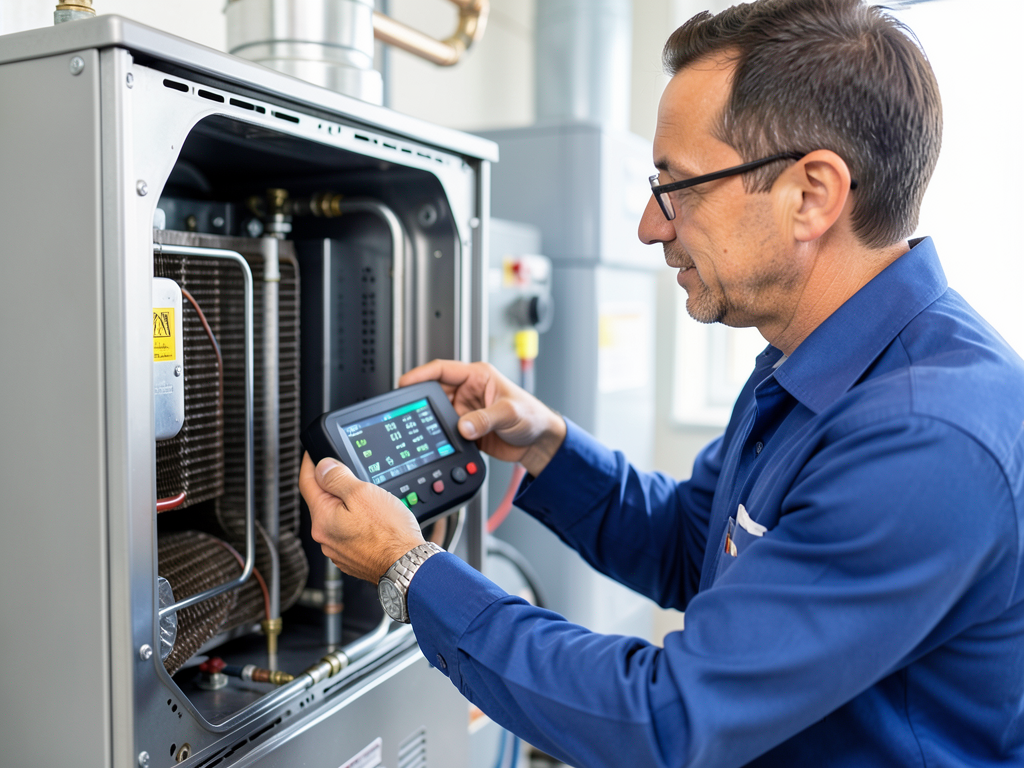
Red Flags to Look for in a Mechanical Room While House Hunting in Falcon Heights
Buying a home in Falcon Heights means understanding the hidden systems that keep you comfortable through Minnesota’s brutal winters and humid summers. The mechanical room holds critical clues about a home’s HVAC health and potential future costs. Before you sign on the dotted line here’s what experienced technicians look for when inspecting these systems.. Read more about The Hidden Dangers of HVAC Rental Contracts and Equipment Leasing in Minnesota.
Why Falcon Heights Mechanical Rooms Tell a Different Story
Falcon Heights homes built between the 1950s and 1970s often feature aging HVAC systems that have weathered decades of Minnesota’s extreme temperature swings. These mechanical rooms can reveal everything from proper maintenance history to looming replacement needs. A thorough inspection here could save you thousands in unexpected repairs after closing. EPA Carbon Monoxide Safety Guidelines.
Critical Furnace Red Flags to Identify
The furnace serves as the heart of any Minnesota home’s heating system. Here’s what to watch for during your walkthrough. How Much a New High Efficiency Furnace Really Costs in Minneapolis.
Heat Exchanger Condition
Look for visible rust or corrosion on the heat exchanger. Minnesota’s high humidity levels combined with combustion gases create perfect conditions for metal deterioration. A cracked heat exchanger poses serious carbon monoxide risks and requires immediate replacement. Listen for unusual rattling sounds when the system starts up which could indicate loose or damaged internal components.
Age and Efficiency Indicators
Check the manufacture date on the furnace data plate. Systems over 15 years old in Falcon Heights likely operate at 80% efficiency or lower compared to modern 95%+ units. Older units struggle during extreme cold snaps common to this area. Look for the AFUE rating label which shows current efficiency levels.. Read more about Choosing Between 80% and 96% Efficiency Furnaces for Your First Minneapolis Home.
Burner Flame Quality
Inspect the burner flames through the observation window. Blue flames indicate proper combustion while yellow or orange flames suggest dirty burners incomplete combustion or potential carbon monoxide production. Minnesota building codes require proper combustion air supply which older homes sometimes lack.
Air Conditioning System Warning Signs
Central air conditioning in Falcon Heights faces unique challenges from summer humidity and winter freeze-thaw cycles. Here’s what catches our attention.
Refrigerant Type and Leaks
Systems using R-22 refrigerant require expensive recharging as this phased-out chemical becomes scarce. Minnesota’s humid summers stress older AC units leading to coil leaks. Check for oily residue around refrigerant lines which indicates active leaks. Modern R-410A systems offer better efficiency but require proper installation to handle our climate. Switching to a Cold Climate Heat Pump in Minnesota (Is It Worth It?).
Condensate Drain Issues
Humid Minnesota summers produce significant condensation. Look for water stains around the condensate drain pan or PVC piping. Clogged drains cause water damage and system shutdowns. Ensure the condensate pump functions properly especially in basement installations common in Falcon Heights split-level homes.
Outdoor Unit Assessment
Examine the condenser unit for bent fins damaged coils or rust. Falcon Heights’ heavy snowfall can damage unprotected outdoor units. Check that the concrete pad remains level as settling causes vibration and premature failure. Proper clearance from vegetation ensures adequate airflow during peak summer loads.. Read more about Keeping Your Home Warm During a Power Outage with HVAC Backup Power in Shoreview.
Hidden Mechanical Room Red Flags
Some of the most expensive problems hide in plain sight. These overlooked details often surprise new homeowners.
Ductwork Integrity
Inspect accessible ductwork for proper sealing and insulation. Minnesota’s temperature extremes stress duct connections causing leaks that reduce efficiency by up to 30%. Look for disconnected joints crushed flex ducts or missing insulation in unconditioned spaces. Poor ductwork often causes uneven heating common in Falcon Heights older homes.
Electrical System Capacity
Modern HVAC systems require substantial electrical capacity. Check the breaker panel for adequate amperage and proper wiring. Overloaded circuits cause nuisance tripping during extreme weather when systems work hardest. Minnesota code requires dedicated circuits for HVAC equipment in newer installations.
Thermostat and Controls
Outdated mercury thermostats indicate aging systems. Modern programmable or smart thermostats improve efficiency but may not communicate with very old equipment. Check for zoning capabilities especially in multi-story Falcon Heights homes where temperature variations are common.
Boiler System Specific Concerns
Many Falcon Heights homes built before 1980 feature boiler systems rather than forced air. These systems require specialized knowledge.
Pipe and Radiator Condition
Inspect visible pipes for corrosion leaks or improper insulation. Cast iron radiators common in older homes can develop internal corrosion reducing heating efficiency. Check for proper pitch on horizontal pipes to ensure condensate drainage. Minnesota’s freeze-thaw cycles stress older piping joints.
Expansion Tank Status
Examine the expansion tank for waterlogging. A failed expansion tank causes pressure fluctuations and potential system damage. Tap the tank listening for a hollow sound which indicates proper air charge. Waterlogged tanks feel solid and require replacement.
Venting and Combustion Air
Older boilers may use chimney venting which requires proper draft and clearance from combustibles. Minnesota building codes now require direct venting for most new installations. Check for adequate combustion air supply especially in tightly sealed modern homes. Fixing Old Boilers in Historic South Minneapolis Homes.
Ventilation and Air Quality Red Flags
Minnesota’s climate makes proper ventilation critical for both comfort and health. These systems often get overlooked during home inspections.
Heat Recovery Ventilator (HRV) Condition
Many Falcon Heights homes built after 2000 include HRVs for fresh air exchange. Check the filter condition and listen for proper fan operation. Clogged filters reduce efficiency and indoor air quality. Minnesota energy codes require HRVs in tightly sealed homes.
Humidifier Maintenance
Winter humidity levels in Minnesota often drop below 20% causing discomfort and woodwork damage. Inspect whole-house humidifiers for scale buildup mineral deposits or stuck dampers. Neglected humidifiers become breeding grounds for mold and bacteria.
Air Filtration Systems
Check for high-efficiency filters beyond standard fiberglass models. Advanced filtration helps with Minnesota’s seasonal allergens and dust. Look for proper filter size and seal to prevent bypass air which reduces system efficiency.
Age-Related Performance Issues
Understanding how Minnesota’s climate affects equipment lifespan helps evaluate system condition beyond just age.
Short Cycling Problems
Listen for systems that turn on and off rapidly. Short cycling indicates improper sizing control issues or failing components. Minnesota’s temperature extremes make this problem worse as systems struggle to maintain setpoints. This behavior increases energy costs and reduces equipment life.
Noise Level Assessment
Excessive vibration or humming suggests bearing wear motor issues or unbalanced components. Minnesota’s older homes often have inadequate vibration isolation allowing noise transmission through structure. Modern high-efficiency equipment operates much more quietly.
Temperature Differential Testing
Check supply and return air temperatures if possible. A healthy system shows 15-20 degree differentials. Minnesota’s extreme outdoor temperatures stress systems reducing these differentials in aging equipment. This indicates declining performance even if the system still operates.
Cost Implications of Red Flag Issues
Understanding potential repair costs helps negotiate purchase prices or plan for future investments. Finding an AC Repair Team in Edina That Actually Shows Up on Time.
Repair vs Replacement Decisions
Minor repairs like capacitor replacement might cost $200-400 while major issues like heat exchanger replacement often exceed $1500. When repair costs approach 50% of replacement value replacement becomes the better investment. Minnesota utility rebates can offset new equipment costs significantly.
Energy Efficiency Impact
Aging systems can double energy costs compared to modern high-efficiency units. Minnesota’s long heating season magnifies these differences. Calculate potential savings when evaluating older equipment. Xcel Energy and CenterPoint Energy offer rebates for efficiency upgrades.
Carbon Monoxide Safety Considerations
Failed heat exchangers pose immediate safety risks. Minnesota law requires carbon monoxide detectors within 10 feet of sleeping areas. Test existing detectors and verify proper placement. Some insurance companies offer premium discounts for monitored safety systems.
Professional Inspection Recommendations
While home inspectors provide general assessments HVAC specialists offer deeper technical evaluation crucial for Minnesota homes.
What a Specialist Looks For
Professional technicians use combustion analyzers to measure furnace efficiency and safety. They perform static pressure tests to evaluate ductwork performance. Thermal imaging reveals hidden heat loss and airflow problems. These diagnostics cost $150-300 but prevent costly surprises.. Read more about How to Relocate a Furnace to Reclaim Basement Space in Your South Minneapolis Bungalow.
Timing Your Inspection
Schedule HVAC inspections during heating season when systems face full load. Summer inspections might miss furnace issues while winter checks could overlook AC problems. Falcon Heights’ transitional seasons offer ideal inspection windows.. Read more about Converting an Old Gravity Furnace into Modern Forced Air in Hamline-Midway.
Documentation Requirements
Request maintenance records and repair history. Minnesota’s Truth in Sale of Housing reports sometimes include HVAC condition assessments. Verify permit history for major repairs or replacements which indicates professional work versus DIY modifications.
Making Your Decision
Weighing mechanical room findings against home purchase price requires balancing immediate costs with long-term value.
Negotiation Strategies
Use inspection findings to request price reductions or seller concessions. HVAC replacement costs often justify $5000-15000 adjustments. Some sellers prefer credits while others reduce purchase price. Understand your financing options for potential upgrades.
Priority Repairs
Address safety issues immediately regardless of season. Efficiency upgrades offer best returns in Minnesota’s climate. Plan major replacements during shoulder seasons when contractors offer better pricing and faster service. Fast AC Service for North Loop Condos and Lofts.
Future Planning
Even if current systems function consider replacement timing based on age and condition. Minnesota’s utility rebate programs change annually. Planning ahead allows you to maximize available incentives and schedule work during convenient times.
Frequently Asked Questions
How old should a furnace be before replacement becomes necessary?
Most furnaces in Minnesota last 15-20 years with proper maintenance. Units over 15 years old often show declining efficiency and increased repair needs. Consider replacement when repair costs exceed 50% of new unit price or efficiency drops significantly.
What’s the difference between a home inspector’s HVAC assessment and a specialist’s evaluation?
Home inspectors provide visual assessments and basic operation tests. HVAC specialists use diagnostic equipment measure efficiency perform combustion analysis and identify hidden problems. Specialists also understand Minnesota-specific issues like freeze protection and humidity control.
Are there specific building codes I should know about for Falcon Heights homes?
Minnesota State Building Code requires proper venting combustion air supply and carbon monoxide protection. Falcon Heights follows these standards plus local energy code requirements. Permits required for most HVAC replacements ensure code compliance and safety.
How can I verify if an HVAC system has been properly maintained?
Look for service stickers on equipment annual filter changes and clean accessible components. Ask sellers for maintenance records. Professional servicing should include combustion analysis filter replacement and safety checks. Lack of documentation suggests deferred maintenance.
What should I budget for HVAC replacement in a Falcon Heights home?
Basic furnace replacement starts around $4000 while high-efficiency systems with air conditioning exceed $10000. Boiler replacements often cost more due to complexity. Minnesota rebates and utility incentives can reduce costs by 10-30% depending on equipment chosen.
Call (651) 588-9677 today to schedule your professional HVAC inspection before making your Falcon Heights home purchase decision. Our experienced technicians will identify potential red flags and provide clear recommendations for your specific situation. For more information, visit Minneapolis Mechanical Code.
{
“@context”: “https://schema.org”,
“@type”: “BlogPosting”,
“headline”: “Red Flags to Look for in a Mechanical Room While House Hunting in Falcon Heights”,
“description”: “Discover critical HVAC red flags in Falcon Heights mechanical rooms before buying. Learn what to inspect to avoid costly post-purchase repairs.”,
“wordCount”: 1802,
“datePublished”: “2026-06-01T10:20:00.000Z”,
“dateModified”: “2026-06-01T10:20:00.000Z”,
“inLanguage”: “en-US”,
“mainEntityOfPage”: {
“@type”: “WebPage”,
“@id”: “https://allprohvacminneapolis.com”
},
“publisher”: {
“@type”: “LocalBusiness”,
“name”: “All Pro HVAC Minneapolis”,
“url”: “https://allprohvacminneapolis.com”
},
“author”: {
“@type”: “Organization”,
“name”: “All Pro HVAC Minneapolis”,
“url”: “https://allprohvacminneapolis.com”
},
“image”: {
“@type”: “ImageObject”,
“url”: “https://allprohvacminneapolis.com/wp-content/uploads/2026/03/red-flags-to-look-for-in-a-mechanical-room-while-h-1.png”
}
}
{
“@context”: “https://schema.org”,
“@type”: “HVACBusiness”,
“name”: “All Pro HVAC Minneapolis”,
“url”: “https://allprohvacminneapolis.com”,
“address”: {
“@type”: “PostalAddress”,
“addressLocality”: “Minneapolis”
},
“areaServed”: {
“@type”: “City”,
“name”: “Minneapolis”
}
}
{
“@context”: “https://schema.org”,
“@type”: “FAQPage”,
“mainEntity”: [
{
“@type”: “Question”,
“name”: “How old should a furnace be before replacement becomes necessary?”,
“acceptedAnswer”: {
“@type”: “Answer”,
“text”: “Most furnaces in Minnesota last 15-20 years with proper maintenance. Units over 15 years old often show declining efficiency and increased repair needs. Consider replacement when repair costs exceed 50% of new unit price or efficiency drops significantly.”
}
},
{
“@type”: “Question”,
“name”: “What’s the difference between a home inspector’s HVAC assessment and a specialist’s evaluation?”,
“acceptedAnswer”: {
“@type”: “Answer”,
“text”: “Home inspectors provide visual assessments and basic operation tests. HVAC specialists use diagnostic equipment measure efficiency perform combustion analysis and identify hidden problems. Specialists also understand Minnesota-specific issues like freeze protection and humidity control.”
}
},
{
“@type”: “Question”,
“name”: “Are there specific building codes I should know about for Falcon Heights homes?”,
“acceptedAnswer”: {
“@type”: “Answer”,
“text”: “Minnesota State Building Code requires proper venting combustion air supply and carbon monoxide protection. Falcon Heights follows these standards plus local energy code requirements. Permits required for most HVAC replacements ensure code compliance and safety.”
}
},
{
“@type”: “Question”,
“name”: “How can I verify if an HVAC system has been properly maintained?”,
“acceptedAnswer”: {
“@type”: “Answer”,
“text”: “Look for service stickers on equipment annual filter changes and clean accessible components. Ask sellers for maintenance records. Professional servicing should include combustion analysis filter replacement and safety checks. Lack of documentation suggests deferred maintenance.”
}
},
{
“@type”: “Question”,
“name”: “What should I budget for HVAC replacement in a Falcon Heights home?”,
“acceptedAnswer”: {
“@type”: “Answer”,
“text”: “Basic furnace replacement starts around $4000 while high-efficiency systems with air conditioning exceed $10000. Boiler replacements often cost more due to complexity. Minnesota rebates and utility incentives can reduce costs by 10-30% depending on equipment chosen.”
}
}
]
}
{
“@context”: “https://schema.org”,
“@type”: “BreadcrumbList”,
“itemListElement”: [
{
“@type”: “ListItem”,
“position”: 1,
“name”: “Home”,
“item”: “https://allprohvacminneapolis.com”
},
{
“@type”: “ListItem”,
“position”: 2,
“name”: “Blog”,
“item”: “https://allprohvacminneapolis.com/blog”
},
{
“@type”: “ListItem”,
“position”: 3,
“name”: “Red Flags to Look for in a Mechanical Room While House Hunting in Falcon Heights”
}
]
}
{
“@context”: “https://schema.org”,
“@type”: “Service”,
“serviceType”: “HVAC”,
“provider”: {
“@type”: “LocalBusiness”,
“name”: “All Pro HVAC Minneapolis”,
“url”: “https://allprohvacminneapolis.com”
},
“areaServed”: {
“@type”: “City”,
“name”: “Minneapolis”
},
“description”: “Discover critical HVAC red flags in Falcon Heights mechanical rooms before buying. Learn what to inspect to avoid costly post-purchase repairs.”
}