
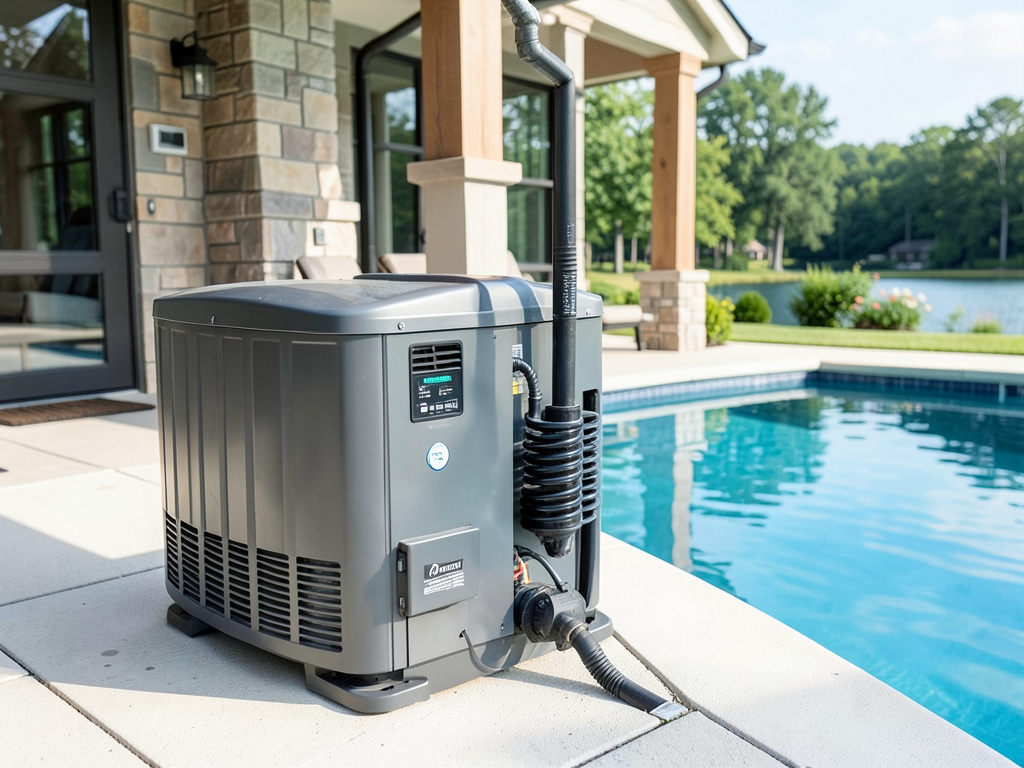
Keeping Your Lake Minnetonka Pool House Dehumidified and Comfortable All Summer
Your Lake Minnetonka pool house faces unique challenges that standard HVAC systems cannot handle. The combination of warm pool water, chlorine-rich air, and Minnesota’s extreme seasonal humidity creates conditions that demand specialized equipment and design. Without proper dehumidification, you will battle condensation on windows, mold growth on walls, and potential structural damage to your investment.
The science is straightforward. Pool water constantly evaporates into the air. In a confined space like a pool house, that moisture has nowhere to go. When warm humid air contacts cold surfaces during our harsh Minnesota winters, condensation forms. Left unchecked, this moisture destroys drywall, rots wood framing, and creates perfect conditions for mold colonies to thrive.
Effective pool house climate control requires three simultaneous processes. First, you need to remove the latent heat of vaporization from the air. Second, you must maintain proper air circulation to prevent stagnant humid zones. Third, you need to filter out chlorine and other pool chemicals that corrode standard HVAC components. Standard residential systems handle none of these tasks well. Switching to a Cold Climate Heat Pump in Minnesota (Is It Worth It?).
Minneapolis building codes require specific ventilation rates for indoor pools. The Minnesota Mechanical Code mandates minimum air changes per hour based on pool surface area. For a typical 20×40 foot pool, you need at least six complete air changes every hour. This means your system must move 2400 cubic feet of air per minute just to meet code requirements.
Chlorine and other pool chemicals create a highly corrosive environment. Standard copper coils deteriorate within months when exposed to chloramine-laden air. Professional pool house systems use epoxy-coated coils or titanium heat exchangers that resist chemical attack. The upfront cost difference is significant, but replacement copper coils every few years cost far more.
Energy efficiency matters more than you think. Pool house dehumidifiers recover heat from the moisture removal process and use it to warm the pool water. This heat recovery can reduce your pool heating costs by 50 percent or more. In Minnesota’s climate, where electricity rates are among the highest in the nation, this efficiency pays for itself quickly. Energy Star pool heating efficiency standards.
Essential Components for Minneapolis Pool House Climate Control
Dedicated pool dehumidifiers form the backbone of any effective system. These units combine refrigeration cycles with reheat coils to remove moisture without overcooling the space. Unlike standard air conditioners that simply cool air until it reaches dew point, pool dehumidifiers extract water vapor directly and then reheat the air to maintain comfort.
Heat recovery ventilators become critical during Minnesota winters. These devices exchange heat between outgoing stale air and incoming fresh air without mixing the airstreams. This process maintains indoor air quality while minimizing energy loss. Without HRVs, you would need to exhaust huge volumes of heated air to control humidity, sending your heating bills through the roof.
Vapor barriers protect your pool house structure from moisture migration. In Minnesota’s climate, water vapor moves from warm to cold areas. During winter, warm humid air from your pool house tries to escape through walls and ceilings. A properly installed vapor barrier on the warm side of insulation prevents this moisture from condensing inside wall cavities where it causes rot and mold. Weak Airflow from Vents.
Air distribution design makes or breaks system performance. Supply ducts should direct air across large glass surfaces to prevent condensation. Return grilles need placement that captures the most humid air near the pool surface. Poor duct design creates dead zones where moisture accumulates and mold grows.
Choosing Between System Types
Dedicated dehumidifiers offer the most reliable performance for year-round pool houses. These units maintain precise humidity control regardless of outdoor conditions. They cost more upfront but provide the best long-term protection for your investment.
Ductless mini-split systems work well for seasonal pool houses. Modern cold-climate mini-splits can heat and cool effectively even when outdoor temperatures drop below zero. However, they lack the moisture removal capacity of dedicated dehumidifiers. You would need supplemental dehumidification for year-round comfort.
Pool heater integration affects your overall system design. Gas heaters provide rapid heat but waste energy. Electric heat pumps extract heat from the surrounding air, reducing the load on your HVAC system. Some advanced pool dehumidifiers can directly heat pool water using recovered waste heat, eliminating the need for a separate heater.
Managing Humidity and Chlorine Corrosion
Ideal indoor pool humidity stays between 50 and 60 percent relative humidity. Below 50 percent, swimmers feel cold and uncomfortable. Above 60 percent, condensation forms on cool surfaces. Minnesota’s summer humidity often exceeds 80 percent, making proper dehumidification even more critical.
Chlorine breaks down into various compounds including chloramines. These chemicals are highly corrosive to metals. Standard HVAC systems use copper coils that deteriorate rapidly in chloramine-rich environments. Epoxy coatings or alternative materials like aluminum or titanium resist this chemical attack.
Air turnover rates determine system sizing. For indoor pools, you need 15 to 20 air changes per hour during peak use. This means moving enough air to completely replace the pool house volume every three to four minutes. Undersized systems cannot maintain proper humidity control no matter how well they are maintained.
Temperature differential between pool water and air affects evaporation rates. The greater the difference, the more moisture enters the air. Maintaining air temperature two to four degrees above water temperature minimizes evaporation while keeping swimmers comfortable. This balance requires precise control that only dedicated pool HVAC systems provide.
Preventing Condensation Damage
Dew point control prevents condensation on windows and walls. The dew point is the temperature at which air becomes saturated and water vapor condenses. When surface temperatures drop below the dew point, condensation forms. In Minnesota winters, window glass often becomes cold enough to trigger condensation even in properly humidified spaces.
Insulated glass units with low-emissivity coatings reduce condensation risk. The low-E coating reflects heat back into the room, keeping glass surfaces warmer. Triple-pane windows provide even better performance but cost significantly more. For existing installations, heat tape or electric window defrosters can prevent condensation on critical viewing areas.
Proper insulation prevents cold spots that trigger condensation. Exterior walls need R-values of at least R-20, while ceilings require R-30 or higher. Pay special attention to areas where structural elements penetrate the building envelope, as these create thermal bridges that can become condensation points.
Energy Efficiency and Minneapolis Building Codes
Minnesota State Building Code Section 1322.1 requires specific ventilation rates for indoor pools. The code mandates mechanical ventilation capable of exhausting air at rates specified in Table 1322.1. For residential indoor pools, this typically means 0.5 cubic feet per minute per square foot of water surface area.
ASHRAE Standard 62.1 establishes minimum ventilation rates for acceptable indoor air quality. For indoor swimming pools, this standard requires additional outdoor air to control chloramine concentrations. The standard specifies 0.48 cubic feet per minute per square foot of water surface plus 7.5 cubic feet per minute per occupant. ASHRAE Standard 62.1.
Energy Star rated pool heaters must meet minimum efficiency requirements. Gas pool heaters need thermal efficiency ratings of at least 82 percent. Electric heat pumps must achieve coefficients of performance (COP) of 4.0 or higher. These efficiency standards help reduce operating costs while meeting environmental goals. How Much a New High Efficiency Furnace Really Costs in Minneapolis.
Vapor barrier installation follows strict guidelines in Minnesota’s climate zone. The Minnesota Energy Code requires Class I or II vapor retarders on the warm-in-winter side of insulation. This typically means polyethylene sheeting or kraft-faced insulation in pool house construction. Improper vapor barrier installation leads to moisture problems that can destroy the building structure.
Cost Considerations for Pool House HVAC
Initial system costs vary widely based on pool size and usage patterns. A basic dehumidification system for a small residential pool might cost $8000 to $12000 installed. Large luxury installations with integrated heating and advanced controls can exceed $30000.
Operating costs depend on local utility rates and system efficiency. In Minnesota, where electricity costs average 14 cents per kilowatt-hour, a typical pool dehumidifier might consume $100 to $200 per month during summer operation. Heat recovery features can cut these costs by 40 percent or more.
Maintenance requirements include quarterly filter changes, annual coil cleaning, and regular drain pan treatment to prevent algae growth. Professional maintenance contracts typically cost $300 to $500 per year but prevent costly breakdowns and extend system life.
Maintenance and Winterization for MN Pool Houses
Seasonal transitions require specific procedures to protect your investment. As temperatures drop in fall, gradually reduce pool water temperature to minimize evaporation. Clean all filters and drain pans thoroughly to prevent mold growth during the off-season.
Winterization involves more than just covering the pool. Drain all water from pumps, filters, and heating equipment to prevent freeze damage. For systems with exposed outdoor components, install freeze protection thermostats that activate circulation pumps when temperatures approach freezing.
Spring startup requires careful system checks. Inspect all electrical connections for corrosion that may have occurred during winter. Test all safety controls including freeze protection and high-limit switches. Clean or replace filters that may have accumulated debris during the off-season.
Emergency procedures help you respond to system failures. Every pool house should have a backup dehumidifier capable of handling at least 50 percent of normal moisture load. This backup unit prevents damage if the primary system fails during humid summer weather.
Common Problems and Solutions
Condensation on windows indicates insufficient air circulation or inadequate insulation. Check that supply vents direct air across glass surfaces. Consider adding low-E window film or installing heat tape on problem windows.. Read more about Adding HVAC to a New Home Gym or Yoga Studio in Orono.
Mold growth signals excessive humidity or poor air distribution. Verify that humidity sensors read accurately and that the dehumidifier cycles properly. Check for blocked return air paths that prevent proper air circulation.
Unusual noises often indicate failing components. Grinding sounds suggest bearing problems in fans or compressors. Hissing noises may indicate refrigerant leaks. Any unusual sound warrants immediate professional inspection to prevent complete system failure.
High energy bills suggest system inefficiency. Check that filters are clean and that outdoor coils are free from debris. Verify that the system maintains proper superheat and subcooling levels. An improperly charged refrigerant system can double energy consumption.
Case Study: Lake Minnetonka Pool House Success
A recent installation on Lake Minnetonka demonstrates proper system design. The 1800 square foot pool house contains a 20×40 foot indoor pool with 800 square feet of glass viewing area. The original system struggled with condensation and high humidity, causing mold growth on ceiling tiles.
The solution involved installing a 5-ton dedicated dehumidifier with heat recovery capabilities. The new system maintains 52 percent relative humidity year-round while recovering enough heat to eliminate the separate pool heater. Energy costs dropped by 60 percent, and the mold problem disappeared within weeks.
Key design features included epoxy-coated coils to resist chlorine corrosion, dedicated return air grilles near the pool surface, and supply ducts positioned to direct air across all glass surfaces. The system also includes a backup dehumidifier that automatically activates if the primary unit fails.
Results after one year show perfect humidity control, no condensation on windows even during extreme cold snaps, and energy costs well below the original system’s consumption. The client reports the pool house stays comfortable year-round without the musty smell that plagued the old system.
Frequently Asked Questions
How much does a pool house dehumidifier cost in Minneapolis?
Basic residential pool dehumidifiers start around $3000 for the equipment alone. Complete installed systems typically range from $8000 to $15000 depending on pool size and features. Luxury installations with integrated heating can exceed $30000.
Can I use a regular air conditioner for my pool house?
Standard air conditioners remove some moisture but lack the capacity for pool environments. They also cannot recover heat for pool warming. Dedicated pool dehumidifiers handle 3 to 5 times more moisture removal than equivalent air conditioners.
How often should pool house HVAC equipment be serviced?
Professional maintenance should occur quarterly. This includes filter changes, coil cleaning, drain pan treatment, and system performance checks. Annual comprehensive service prevents most major failures and extends equipment life significantly. Fast AC Service for North Loop Condos and Lofts.
What humidity level should I maintain in my pool house?
Maintain relative humidity between 50 and 60 percent. Below 50 percent feels cold and uncomfortable. Above 60 percent risks condensation and mold growth. This range provides optimal comfort while protecting your building structure.
Do I need a vapor barrier in my pool house?
Yes, Minnesota building codes require vapor barriers on the warm side of insulation. For pool houses, this typically means polyethylene sheeting or kraft-faced insulation. Without proper vapor barriers, moisture migrates into walls and causes structural damage.
How long do pool house dehumidifiers last?
Quality pool dehumidifiers typically last 10 to 15 years with proper maintenance. Systems with epoxy-coated coils or titanium heat exchangers often exceed 15 years. Regular professional service significantly extends equipment life.
Can pool dehumidifiers heat my pool water?
Many modern pool dehumidifiers include heat recovery that can warm pool water. This feature can eliminate the need for separate pool heaters, saving thousands in equipment costs and reducing energy consumption by up to 50 percent.
Keeping your Lake Minnetonka pool house comfortable and protected requires understanding the unique challenges of our climate and pool environments. The right equipment, proper installation, and regular maintenance create a space you can enjoy year-round without worrying about moisture damage or high energy bills.
Don’t let condensation and humidity problems ruin your pool house investment. Call (651) 588-9677 today to schedule your professional assessment. Our Minneapolis-based experts understand the specific challenges of Lake Minnetonka pool houses and can design a system that keeps your space comfortable and protected for years to come.
Pick up the phone and call (651) 588-9677 before the next humid summer day makes your pool house uncomfortable. We provide free consultations and can often complete installations within two weeks of your approval. Your perfect pool house climate control solution is just one call away.
{
“@context”: “https://schema.org”,
“@type”: “BlogPosting”,
“headline”: “Keeping Your Lake Minnetonka Pool House Dehumidified and Comfortable All Summer”,
“description”: “Expert guide to pool house HVAC in Lake Minnetonka. Learn how to control humidity, prevent condensation, and protect your investment with Minneapolis-specific solutions.”,
“wordCount”: 2344,
“datePublished”: “2026-06-06T09:43:00.000Z”,
“dateModified”: “2026-06-06T09:43:00.000Z”,
“inLanguage”: “en-US”,
“mainEntityOfPage”: {
“@type”: “WebPage”,
“@id”: “https://allprohvacminneapolis.com”
},
“publisher”: {
“@type”: “LocalBusiness”,
“name”: “All Pro HVAC Minneapolis”,
“url”: “https://allprohvacminneapolis.com”
},
“author”: {
“@type”: “Organization”,
“name”: “All Pro HVAC Minneapolis”,
“url”: “https://allprohvacminneapolis.com”
},
“image”: {
“@type”: “ImageObject”,
“url”: “https://allprohvacminneapolis.com/wp-content/uploads/2026/03/keeping-your-lake-minnetonka-pool-house-dehumidifi-1.png”
}
}
{
“@context”: “https://schema.org”,
“@type”: “HVACBusiness”,
“name”: “All Pro HVAC Minneapolis”,
“url”: “https://allprohvacminneapolis.com”,
“address”: {
“@type”: “PostalAddress”,
“addressLocality”: “Minneapolis”
},
“areaServed”: {
“@type”: “City”,
“name”: “Minneapolis”
}
}
{
“@context”: “https://schema.org”,
“@type”: “FAQPage”,
“mainEntity”: [
{
“@type”: “Question”,
“name”: “How much does a pool house dehumidifier cost in Minneapolis?”,
“acceptedAnswer”: {
“@type”: “Answer”,
“text”: “Basic residential pool dehumidifiers start around $3000 for the equipment alone. Complete installed systems typically range from $8000 to $15000 depending on pool size and features. Luxury installations with integrated heating can exceed $30000.”
}
},
{
“@type”: “Question”,
“name”: “Can I use a regular air conditioner for my pool house?”,
“acceptedAnswer”: {
“@type”: “Answer”,
“text”: “Standard air conditioners remove some moisture but lack the capacity for pool environments. They also cannot recover heat for pool warming. Dedicated pool dehumidifiers handle 3 to 5 times more moisture removal than equivalent air conditioners.”
}
},
{
“@type”: “Question”,
“name”: “How often should pool house HVAC equipment be serviced?”,
“acceptedAnswer”: {
“@type”: “Answer”,
“text”: “Professional maintenance should occur quarterly. This includes filter changes, coil cleaning, drain pan treatment, and system performance checks. Annual comprehensive service prevents most major failures and extends equipment life significantly. Fast AC Service for North Loop Condos and Lofts.”
}
},
{
“@type”: “Question”,
“name”: “What humidity level should I maintain in my pool house?”,
“acceptedAnswer”: {
“@type”: “Answer”,
“text”: “Maintain relative humidity between 50 and 60 percent. Below 50 percent feels cold and uncomfortable. Above 60 percent risks condensation and mold growth. This range provides optimal comfort while protecting your building structure.”
}
},
{
“@type”: “Question”,
“name”: “Do I need a vapor barrier in my pool house?”,
“acceptedAnswer”: {
“@type”: “Answer”,
“text”: “Yes, Minnesota building codes require vapor barriers on the warm side of insulation. For pool houses, this typically means polyethylene sheeting or kraft-faced insulation. Without proper vapor barriers, moisture migrates into walls and causes structural damage.”
}
},
{
“@type”: “Question”,
“name”: “How long do pool house dehumidifiers last?”,
“acceptedAnswer”: {
“@type”: “Answer”,
“text”: “Quality pool dehumidifiers typically last 10 to 15 years with proper maintenance. Systems with epoxy-coated coils or titanium heat exchangers often exceed 15 years. Regular professional service significantly extends equipment life.”
}
},
{
“@type”: “Question”,
“name”: “Can pool dehumidifiers heat my pool water?”,
“acceptedAnswer”: {
“@type”: “Answer”,
“text”: “Many modern pool dehumidifiers include heat recovery that can warm pool water. This feature can eliminate the need for separate pool heaters, saving thousands in equipment costs and reducing energy consumption by up to 50 percent.”
}
}
]
}
{
“@context”: “https://schema.org”,
“@type”: “BreadcrumbList”,
“itemListElement”: [
{
“@type”: “ListItem”,
“position”: 1,
“name”: “Home”,
“item”: “https://allprohvacminneapolis.com”
},
{
“@type”: “ListItem”,
“position”: 2,
“name”: “Blog”,
“item”: “https://allprohvacminneapolis.com/blog”
},
{
“@type”: “ListItem”,
“position”: 3,
“name”: “Keeping Your Lake Minnetonka Pool House Dehumidified and Comfortable All Summer”
}
]
}
{
“@context”: “https://schema.org”,
“@type”: “Service”,
“serviceType”: “HVAC”,
“provider”: {
“@type”: “LocalBusiness”,
“name”: “All Pro HVAC Minneapolis”,
“url”: “https://allprohvacminneapolis.com”
},
“areaServed”: {
“@type”: “City”,
“name”: “Minneapolis”
},
“description”: “Expert guide to pool house HVAC in Lake Minnetonka. Learn how to control humidity, prevent condensation, and protect your investment with Minneapolis-specific solutions.”
}