

HVAC Maintenance Checklist for Landlords With Multi-Unit Properties in Marcy-Holmes
Landlords in Minneapolis’s Marcy-Holmes neighborhood face unique HVAC challenges. The area’s historic buildings mixed with modern student housing creates complex heating and cooling needs. When your furnace fails in January or the AC stops working during a heat wave, you’re not just dealing with equipment problems—you’re facing potential legal issues and tenant turnover costs. Minneapolis rental property licensing requirements.
This comprehensive checklist addresses the specific requirements for Marcy-Holmes rental properties, from Minneapolis rental licensing compliance to energy efficiency standards that affect your bottom line. You’ll learn exactly what to inspect, when to schedule maintenance, and how to document everything to protect yourself from liability.. Read more about Why Your AC Keeps Turning On and Off Every Five Minutes in Your Whittier Apartment.
Understanding Marcy-Holmes Rental HVAC Requirements
Marcy-Holmes sits between the University of Minnesota and downtown Minneapolis, creating a dense rental market with properties ranging from early 1900s walk-ups to modern apartment buildings. The neighborhood’s age means many buildings have original boiler systems or early forced-air installations that require specialized knowledge. Minnesota landlord-tenant statutes.
Minneapolis Municipal Code Chapter 244A requires rental properties to maintain minimum heating standards. During the heating season (September 15 to May 15), indoor temperatures must stay at 68°F or above. Failure to maintain these temperatures can result in fines and legal action from tenants.. Read more about Heavy Duty Heating Solutions for Converted Industrial Spaces in Northeast Minneapolis.
The University of Minnesota’s presence means many units house students who may not report problems promptly. By the time you discover an issue, it could have escalated into a major repair or code violation.
Seasonal Maintenance Schedule for Multi-Unit Properties
Timing your maintenance correctly prevents emergency calls and extends equipment life. Here’s your year-round schedule: Weak Airflow from Vents.
- Fall Preparation (September)
Schedule professional furnace inspections before the heating season begins. Check all carbon monoxide detectors and replace batteries in smoke alarms.. Read more about Troubleshooting a Furnace Pilot Light That Won’t Stay Lit in Your Powderhorn Home.
- Winter Monitoring (October-March)
Check thermostats in each unit weekly. Monitor for unusual noises or reduced airflow. Keep exterior vents clear of snow and ice.
- Spring Assessment (April)
Inspect AC units as temperatures rise. Clean or replace filters throughout all units. Check for water damage around cooling equipment.
- Summer Optimization (May-August)
Deep clean condenser coils. Test refrigerant levels. Address any humidity issues that could lead to mold growth.
Critical Components to Inspect in Multi-Unit Buildings
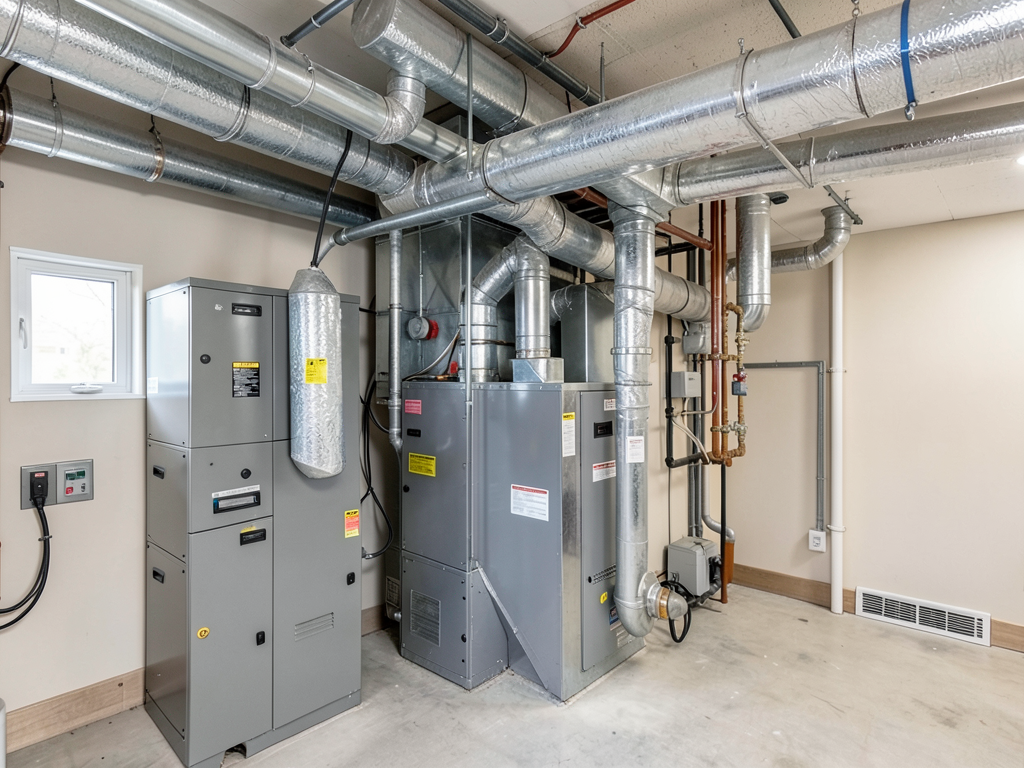
Multi-unit properties have centralized systems that affect all tenants simultaneously. When one component fails, everyone suffers. Focus on these critical areas: New HVAC System Cost 2026.
- Main boiler or furnace units and their pressure relief valves
- Distribution piping for leaks, corrosion, or insulation failure
- Individual unit thermostats and zone controls
- Air handling units and their belts, bearings, and motors
- Ductwork integrity and insulation in unconditioned spaces
- Condensate drain lines and pumps
- Fresh air intake systems and their filters
Historic Marcy-Holmes buildings often have steam or hot water radiator systems. These require different maintenance than forced-air systems. Radiator vents need annual cleaning, and steam traps should be tested for proper operation.
Minneapolis Code Compliance Requirements
Beyond basic heating requirements, Minneapolis has specific HVAC-related regulations for rental properties. Understanding these helps you avoid costly violations.. Read more about Keeping Your Whittier Rental Property HVAC Units Running Without Constant Service Calls.
Minnesota State Building Code requires carbon monoxide detectors within 10 feet of every sleeping room in dwellings with fuel-burning appliances. This includes furnaces, boilers, water heaters, and fireplaces. Detectors must be hardwired with battery backup in new installations. Emergency Boiler Repair.
Minneapolis Energy Benchmarking Ordinance affects buildings over 50,000 square feet. While most Marcy-Holmes properties are smaller, understanding energy efficiency requirements helps you make cost-effective upgrades.
Section 504B.161 of Minnesota Statutes requires landlords to maintain fit and habitable conditions. HVAC failures that make units uninhabitable violate this statute and can result in rent abatement or termination rights for tenants.
Preventative Maintenance Checklist
Following this checklist reduces emergency calls and extends equipment life:
| Component | Frequency | Inspection Points |
|---|---|---|
| Furnace/Boiler | Annually | Heat exchanger cracks, flame sensor, gas pressure, venting |
| AC Condenser | Annually | Refrigerant charge, capacitor, contactor, coil cleanliness |
| Ductwork | Every 2 years | Leaks, insulation, mold growth, proper sealing |
| Thermostats | Quarterly | Calibration, battery replacement, programming |
| Filters | Monthly | Replacement or cleaning, proper MERV rating |
| CO Detectors | Annually | Functionality, expiration date, proper placement |
Use MERV 8-11 filters for rental properties. Higher MERV ratings restrict airflow and can damage older systems. Document all maintenance with dates, technician names, and findings.
Emergency Response Protocol for Landlords
When HVAC emergencies strike, having a clear protocol protects both you and your tenants. Marcy-Holmes’s extreme temperature swings mean failures can become dangerous quickly.
Establish relationships with 24/7 emergency HVAC services before you need them. Many companies prioritize long-term clients during peak demand periods.
Create a tenant communication plan. Provide written instructions for reporting HVAC problems, including what information to provide (symptoms, duration, affected areas). This helps technicians diagnose problems faster.
Consider temporary heating or cooling solutions for extended outages. Space heaters, window units, or even hotel accommodations may be necessary depending on outdoor conditions.
Cost Management Strategies
Proactive maintenance costs less than emergency repairs. Here’s how to budget effectively:
| Maintenance Type | Annual Cost Range | ROI Benefit |
|---|---|---|
| Preventative Maintenance | $500-$2,000 per unit | Extends equipment life 5-10 years |
| Filter Program | $100-$300 per unit | Improves efficiency 5-15% |
| Energy Audit | $300-$800 total | Identifies $500-$3,000 in annual savings |
| Emergency Fund | $1,000-$5,000 total | Covers unexpected failures without cash flow impact |
Energy efficiency improvements may qualify for Xcel Energy or CenterPoint Energy rebates. These programs change annually, so check current offerings before investing in upgrades.
Tenant Education and Responsibilities
Clear tenant communication prevents many HVAC problems. Include these points in your lease agreement and tenant handbook:. Read more about Ways to Prevent Ice Dams by Improving Your Attic Ventilation and Insulation.
- Filter replacement schedule and responsibility
- Thermostat operating instructions
- Emergency contact procedures
- Prohibited actions (blocking vents, tampering with equipment)
- Reporting procedures for unusual noises or performance issues
Consider providing basic HVAC tools like filter gauges or simple thermometers. This helps tenants understand when something isn’t working correctly.
Technology Integration for Property Management
Modern HVAC management tools make multi-unit maintenance more efficient. Smart thermostats can provide remote monitoring and alert you to problems before tenants notice.
Building management systems (BMS) integrate all HVAC controls into one interface. While expensive for small properties, they’re cost-effective for buildings with 20+ units.
Maintenance tracking software helps you schedule inspections, track work orders, and maintain documentation for code compliance. Many platforms integrate with accounting software for easier expense tracking.
Common Problems in Marcy-Holmes Properties
Understanding local failure patterns helps you prevent problems. Marcy-Holmes properties commonly experience:
- Steam radiator vent failures in older buildings
- Condensate drain line freezing in mixed-use buildings
- Electrical panel overloads from window AC units
- Ventilation issues in converted attic apartments
- Boiler pressure problems in historic walk-ups
Many Marcy-Holmes buildings have plaster walls that complicate duct installation. This often leads to PTAC units or mini-splits being used instead of central systems.
Documentation and Record Keeping
Proper documentation protects you from liability claims and helps with tax deductions. Keep records of:
- All maintenance and repairs with dates and costs
- Filter replacement schedules
- Tenant communications about HVAC issues
- Energy bills showing efficiency improvements
- Code compliance inspections and permits
Digital documentation is acceptable, but maintain backups in case of system failures. Some landlords keep a physical binder for each property with all HVAC-related documents.
Upgrading Considerations for Older Buildings
Many Marcy-Holmes properties have HVAC systems exceeding their expected lifespan. When considering upgrades, factor in:
- Historic preservation requirements for designated buildings
- Available rebates for high-efficiency equipment
- Integration with existing building infrastructure
- Future code requirements that may affect your decision
- Tenant disruption during installation
Modern high-efficiency furnaces may not be compatible with very old ductwork. Sometimes upgrading the distribution system is necessary for the new equipment to function properly.. Read more about Why Your Furnace Makes a Loud Banging Noise Whenever it Starts Up.
Environmental Considerations
Minneapolis has strict environmental regulations affecting HVAC systems. R-22 refrigerant is no longer produced, and R-410A will be phased out by 2025. Plan accordingly for future replacement needs.
Indoor air quality is increasingly important to tenants. Consider adding UV light systems, improved filtration, or humidity control as selling points for your units.
Energy efficiency isn’t just about cost savings. It’s becoming a market expectation, especially among student and young professional tenants in Marcy-Holmes.
Frequently Asked Questions
How often should I replace HVAC filters in rental properties?
Replace standard 1-inch filters every 30-60 days in rental properties. Consider MERV 8 filters for the best balance of air quality and system protection. Document replacements and consider providing filters to tenants to ensure compliance.
What temperature must I maintain during winter months?
Minneapolis code requires 68°F minimum from September 15 to May 15. Some leases specify even higher minimums. Document indoor temperatures if tenants claim inadequate heating, and respond to complaints within 24 hours.
Can I charge tenants for HVAC repairs caused by their actions?
Yes, if your lease specifies tenant responsibility for damage beyond normal wear and tear. Document the damage, get repair estimates, and provide written notice before deducting from security deposits. Keep photos and repair invoices.
How do I handle HVAC emergencies during off-hours?
Establish a 24/7 emergency contact system. Provide tenants with clear instructions on what constitutes an emergency (no heat below 50°F, no cooling above 85°F, water leaks). Have a relationship with emergency HVAC services that can respond within 2-4 hours.
Are smart thermostats worth installing in rental units?
Smart thermostats can reduce energy costs by 10-15% and provide valuable diagnostic information. However, consider tenant privacy concerns and whether you’ll need access to the units. Programmable thermostats offer many benefits at lower cost.. Read more about How to Tell if Your AC Compressor is Failing (And Whether to Fix or Replace It).
[IMAGE_PLACEHOVER_1]
Take Control of Your Property’s HVAC System Today
Don’t wait for the first cold snap or heat wave to discover problems with your rental property’s HVAC system. Proactive maintenance saves money, prevents tenant complaints, and protects you from legal liability.
Call (651) 588-9677 today to schedule a comprehensive HVAC inspection of your Marcy-Holmes rental property. Our technicians understand the unique challenges of Minneapolis multi-unit buildings and can identify potential problems before they become emergencies.
Whether you manage one building or a portfolio of properties, we’ll create a customized maintenance plan that fits your needs and budget. Stop worrying about emergency calls at 2 AM and start protecting your investment with professional HVAC care.
Pick up the phone and call (651) 588-9677 before the next season change. Your tenants will thank you, and your bottom line will show the difference.
You may also find this helpful. What Those Strange Bangs and Whistles From Your Longfellow Furnace Actually Mean.
You may also find this helpful. Comparing Lennox and Carrier Furnaces for the Brutal Minnesota Cold.
You may also find this helpful. What to Look for When Hiring the Best HVAC Company in the Twin Cities.
You may also find this helpful. Preventing Ice Dams in Mac-Groveland With Better Attic Ventilation and Insulation.
You may also find this helpful. Navigating Federal Tax Credits and Utility Rebates for Your 2026 HVAC Upgrade.
{
“@context”: “https://schema.org”,
“@type”: “BlogPosting”,
“headline”: “HVAC Maintenance Checklist for Landlords With Multi-Unit Properties in Marcy-Holmes”,
“description”: “Essential HVAC maintenance checklist for landlords in Marcy-Holmes. Learn Minneapolis rental codes, prevent tenant complaints, and protect your investment property.”,
“wordCount”: 1679,
“datePublished”: “2026-03-28T14:44:00.000Z”,
“dateModified”: “2026-03-28T14:44:00.000Z”,
“inLanguage”: “en-US”,
“mainEntityOfPage”: {
“@type”: “WebPage”,
“@id”: “https://allprohvacminneapolis.com”
},
“publisher”: {
“@type”: “LocalBusiness”,
“name”: “All Pro HVAC Minneapolis”,
“url”: “https://allprohvacminneapolis.com”
},
“author”: {
“@type”: “Organization”,
“name”: “All Pro HVAC Minneapolis”,
“url”: “https://allprohvacminneapolis.com”
},
“image”: {
“@type”: “ImageObject”,
“url”: “https://allprohvacminneapolis.com/wp-content/uploads/2026/03/hvac-maintenance-checklist-for-landlords-with-mult-1.png”
}
}
{
“@context”: “https://schema.org”,
“@type”: “HVACBusiness”,
“name”: “All Pro HVAC Minneapolis”,
“url”: “https://allprohvacminneapolis.com”,
“address”: {
“@type”: “PostalAddress”,
“addressLocality”: “Minneapolis”
},
“areaServed”: {
“@type”: “City”,
“name”: “Minneapolis”
}
}
{
“@context”: “https://schema.org”,
“@type”: “FAQPage”,
“mainEntity”: [
{
“@type”: “Question”,
“name”: “How often should I replace HVAC filters in rental properties?”,
“acceptedAnswer”: {
“@type”: “Answer”,
“text”: “Replace standard 1-inch filters every 30-60 days in rental properties. Consider MERV 8 filters for the best balance of air quality and system protection. Document replacements and consider providing filters to tenants to ensure compliance.”
}
},
{
“@type”: “Question”,
“name”: “What temperature must I maintain during winter months?”,
“acceptedAnswer”: {
“@type”: “Answer”,
“text”: “Minneapolis code requires 68°F minimum from September 15 to May 15. Some leases specify even higher minimums. Document indoor temperatures if tenants claim inadequate heating, and respond to complaints within 24 hours.”
}
},
{
“@type”: “Question”,
“name”: “Can I charge tenants for HVAC repairs caused by their actions?”,
“acceptedAnswer”: {
“@type”: “Answer”,
“text”: “Yes, if your lease specifies tenant responsibility for damage beyond normal wear and tear. Document the damage, get repair estimates, and provide written notice before deducting from security deposits. Keep photos and repair invoices.”
}
},
{
“@type”: “Question”,
“name”: “How do I handle HVAC emergencies during off-hours?”,
“acceptedAnswer”: {
“@type”: “Answer”,
“text”: “Establish a 24/7 emergency contact system. Provide tenants with clear instructions on what constitutes an emergency (no heat below 50°F, no cooling above 85°F, water leaks). Have a relationship with emergency HVAC services that can respond within 2-4 hours.”
}
},
{
“@type”: “Question”,
“name”: “Are smart thermostats worth installing in rental units?”,
“acceptedAnswer”: {
“@type”: “Answer”,
“text”: “Smart thermostats can reduce energy costs by 10-15% and provide valuable diagnostic information. However, consider tenant privacy concerns and whether you’ll need access to the units. Programmable thermostats offer many benefits at lower cost.”
}
}
]
}
{
“@context”: “https://schema.org”,
“@type”: “HowTo”,
“name”: “Seasonal HVAC Maintenance Schedule”,
“step”: [
{
“@type”: “HowToStep”,
“position”: 1,
“name”: “Fall Preparation (September)”,
“text”: “Schedule professional furnace inspections before the heating season begins. Check all carbon monoxide detectors and replace batteries in smoke alarms.”
},
{
“@type”: “HowToStep”,
“position”: 2,
“name”: “Winter Monitoring (October-March)”,
“text”: “Check thermostats in each unit weekly. Monitor for unusual noises or reduced airflow. Keep exterior vents clear of snow and ice.”
},
{
“@type”: “HowToStep”,
“position”: 3,
“name”: “Spring Assessment (April)”,
“text”: “Inspect AC units as temperatures rise. Clean or replace filters throughout all units. Check for water damage around cooling equipment.”
},
{
“@type”: “HowToStep”,
“position”: 4,
“name”: “Summer Optimization (May-August)”,
“text”: “Deep clean condenser coils. Test refrigerant levels. Address any humidity issues that could lead to mold growth.”
}
],
“image”: “https://allprohvacminneapolis.com/wp-content/uploads/2026/03/hvac-maintenance-checklist-for-landlords-with-mult-1.png”
}
{
“@context”: “https://schema.org”,
“@type”: “BreadcrumbList”,
“itemListElement”: [
{
“@type”: “ListItem”,
“position”: 1,
“name”: “Home”,
“item”: “https://allprohvacminneapolis.com”
},
{
“@type”: “ListItem”,
“position”: 2,
“name”: “Blog”,
“item”: “https://allprohvacminneapolis.com/blog”
},
{
“@type”: “ListItem”,
“position”: 3,
“name”: “HVAC Maintenance Checklist for Landlords With Multi-Unit Properties in Marcy-Holmes”
}
]
}
{
“@context”: “https://schema.org”,
“@type”: “Service”,
“serviceType”: “HVAC”,
“provider”: {
“@type”: “LocalBusiness”,
“name”: “All Pro HVAC Minneapolis”,
“url”: “https://allprohvacminneapolis.com”
},
“areaServed”: {
“@type”: “City”,
“name”: “Minneapolis”
},
“description”: “Essential HVAC maintenance checklist for landlords in Marcy-Holmes. Learn Minneapolis rental codes, prevent tenant complaints, and protect your investment property.”
}