
How to Turn Your St. Anthony Park Three-Season Porch Into a Year-Round Space
Your St. Anthony Park porch sits empty for half the year while Minnesota winters rage outside. The glass panels fog up and the floor feels like ice. You know it could be a cozy reading nook or home office if only you could keep it warm enough. The good news is you can convert that three-season space into a four-season room with the right insulation and heating system.
Before you buy any heaters you need to understand that heating a poorly insulated porch is like trying to warm a tent in a blizzard. The cold air seeps through every crack and the heat escapes just as fast as you produce it. Minnesota’s climate demands specific solutions that work when temperatures drop to -20°F or lower. Switching to a Cold Climate Heat Pump in Minnesota (Is It Worth It?).
The Foundation: Insulation and Weatherproofing
Insulation comes first or you waste money on heating. The thermal envelope must be complete before adding any heat source. Minnesota building codes require R-10 insulation under floors and R-13 in walls for converted porch spaces. Your existing windows probably have single-pane glass that loses heat faster than a screen door.
Start with the floor. Most St. Anthony Park porches sit on concrete slabs or wood joists over unconditioned space. You need rigid foam board insulation under the flooring or spray foam in the joist cavities. Without this the cold rises from the ground and defeats every other improvement.
Next check the walls and ceiling. Add fiberglass batts or blown-in cellulose to meet code requirements. The vapor barrier goes on the warm side facing your house. This prevents moisture from condensing inside the walls during temperature swings. Weak Airflow from Vents.
Windows matter more than you think. Double-pane glass with low-E coating cuts heat loss by half compared to single-pane. If your budget allows consider triple-pane windows for maximum efficiency. The frames matter too. Aluminum frames conduct cold while vinyl or fiberglass frames insulate better. How Much a New High Efficiency Furnace Really Costs in Minneapolis.
Doors need weatherstripping and proper thresholds. Even small gaps let cold air pour in. Check for drafts by holding a lit candle near seams on a windy day. If the flame flickers you have air leaks that need sealing.
Top 4 Heating Solutions for Minnesota Porches
Once your porch is properly insulated you can choose a heating system that actually works in Minnesota winters. Not all heating solutions handle our extreme cold equally well.
Ductless Mini-Split Systems
Mini-split heat pumps provide heating and cooling in one unit. Modern cold-climate models from Mitsubishi and Daikin work efficiently down to -13°F and continue producing heat below -20°F. These systems use inverter technology to adjust output instead of cycling on and off.
Installation requires mounting an indoor unit on your porch wall and placing an outdoor compressor unit nearby. The refrigerant lines run through a small hole in the wall. No ductwork needed. Mini-splits offer precise temperature control and zone heating so you only heat the porch when you use it.
The upfront cost ranges from $3,500 to $6,000 installed. Operating costs depend on electricity rates but expect to spend $30 to $80 monthly during peak winter use. Xcel Energy offers rebates up to $300 for high-efficiency mini-splits. Xcel Energy rebates.
Electric Baseboard or Wall Heaters
Electric heaters cost less upfront but operate at higher utility costs. Baseboard units install along walls and provide steady radiant heat. Wall-mounted units save floor space and heat faster. Both require dedicated 240-volt circuits and proper thermostat controls.
Installation costs run $500 to $1,500 per unit plus electrical work. Monthly operating costs range from $50 to $150 depending on usage and insulation quality. These work best as supplemental heat or in smaller porches under 200 square feet.
The main advantage is simplicity. No outdoor units, no refrigerant lines, just plug in and heat. The downside is higher electricity consumption and slower recovery when you return to a cold porch.
Extending Existing HVAC Ductwork
Extending your furnace ducts to the porch seems logical but creates problems. Most residential systems lack the capacity to heat additional space without upgrades. The porch often sits at the end of long duct runs so it gets minimal airflow.
If you try this route you need a professional load calculation to determine if your furnace can handle the extra space. Adding returns and proper balancing becomes critical. Without these the porch either stays cold or your main living areas get too hot.
Installation costs vary widely from $1,500 to $5,000 depending on accessibility. Operating costs stay low since you use existing equipment but the comfort level often disappoints. This option works best when converting attached sunrooms with shared walls.
Radiant Floor Heating
Radiant floor systems provide the most comfortable heat by warming objects and people rather than air. Electric mats install under tile or engineered flooring. Hydronic systems use hot water tubes but require a boiler and pump setup.
Electric radiant costs $8 to $15 per square foot installed. Operating costs run $40 to $100 monthly for a typical porch. The system takes longer to heat up but maintains steady temperatures once warm.
Hydronic systems cost more upfront but operate cheaper long-term. Installation runs $12 to $20 per square foot plus boiler modifications. These work best during new construction or major renovations since they require floor height adjustments.
BTU Requirements for Minnesota Winters
Heat loss calculations determine the right system size. Minnesota’s climate zone 6 requires more heating capacity than warmer regions. A basic rule suggests 30 to 50 BTUs per square foot for converted porches.
Glass areas increase heat loss dramatically. Each square foot of single-pane glass needs about 100 BTUs while double-pane needs 60 BTUs. Calculate your total heat loss by adding wall, floor, ceiling, and glass areas with their respective R-values.
Here’s a simplified sizing guide for typical St. Anthony Park porches:
| Porch Size | Window Area | Estimated BTU Need | Suggested System |
|---|---|---|---|
| 150 sq ft | 80 sq ft | 9,000 BTU | Mini-split 12,000 BTU |
| 250 sq ft | 120 sq ft | 15,000 BTU | Baseboard 4,000W or Mini-split 18,000 BTU |
| 350 sq ft | 180 sq ft | 22,000 BTU | Mini-split 24,000 BTU |
These numbers assume average insulation. Poor insulation can double the heating requirements. Professional heat loss calculations provide exact sizing for your specific porch.
Cost Comparison and Operating Efficiency
Upfront costs differ significantly between heating options. Operating costs over time often matter more than initial price tags.
| System Type | Installation Cost | Monthly Operating Cost | Lifespan | Efficiency Rating |
|---|---|---|---|---|
| Cold-Climate Mini-Split | $3,500-$6,000 | $30-$80 | 15-20 years | HSPF2 10-12 |
| Electric Baseboard | $500-$1,500 | $50-$150 | 10-15 years | 100% (electric resistance) |
| Extended Ductwork | $1,500-$5,000 | $20-$50 | Existing system lifespan | Furnace AFUE 80-96% |
| Electric Radiant Floor | $8-$15/sq ft | $40-$100 | 20-30 years | 100% (electric resistance) |
Efficiency ratings help compare operating costs. HSPF2 measures heat pump efficiency in heating mode. Higher numbers mean lower operating costs. Electric resistance heaters always operate at 100% efficiency but electricity costs more than natural gas per BTU.
Consider your local utility rates. Xcel Energy electricity costs about 14 cents per kilowatt-hour while natural gas runs around $1.20 per therm. This makes gas heating roughly half the operating cost of electric resistance heating.
Local Regulations and Permits in the Twin Cities
Minneapolis building codes require permits for most porch conversions. Electrical work needs permits regardless of scope. Mechanical permits cover heating system installations. Gas line extensions require additional inspections. Minneapolis building codes.
The City of Minneapolis enforces Minnesota State Building Code Chapter 1300. This includes insulation requirements, ventilation standards, and energy efficiency mandates. Your converted porch must meet current code standards even if the original structure predates modern requirements.
Electrical permits cost $50 to $200 depending on scope. Mechanical permits run $75 to $300. Inspections occur at rough-in and final stages. Missing permits can result in fines up to $1,000 plus required corrective work.
Some homeowners skip permits for simple heater installations. This creates problems when selling your home or filing insurance claims. Unpermitted work can void insurance coverage if a fire or other damage occurs.
Hennepin County maintains permit records online. You can check if previous owners completed unpermitted work. This matters for older St. Anthony Park homes built before 1970 when building codes were less strict.
Local utility rebates require proper permits and inspections. Xcel Energy and CenterPoint Energy offer incentives for high-efficiency equipment but only when installed by licensed contractors who pull permits.
Making Your Decision
Choose based on your budget, usage patterns, and comfort priorities. Mini-splits offer the best balance of efficiency and performance for most Minnesota porches. They handle extreme cold while providing cooling in summer.
Baseboard heaters work for occasional use or very small spaces. They cost less upfront but operate more expensively. Radiant floor heating provides luxury comfort but requires significant upfront investment.
Always start with proper insulation. No heating system performs well in a poorly insulated space. The money you spend on insulation returns through lower operating costs and better comfort.
Consider your long-term plans. If you’ll stay in your home for years the efficiency savings of a mini-split justify the higher upfront cost. If you plan to sell soon focus on improvements that add visible value.
Professional installation matters for heating systems. Improper sizing, venting, or electrical work creates safety hazards and comfort problems. Licensed HVAC contractors understand Minnesota’s climate requirements and local code compliance.
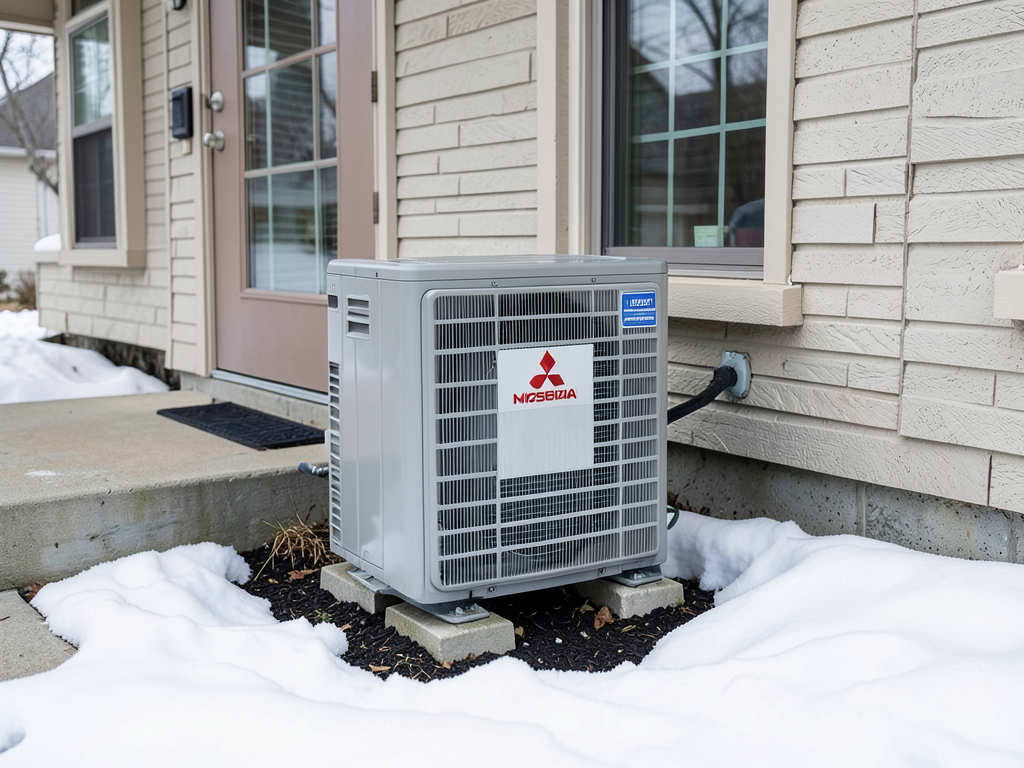
Diagram showing how a cold-climate heat pump extracts heat from outdoor air even at -20°F and transfers it indoors through refrigerant lines.
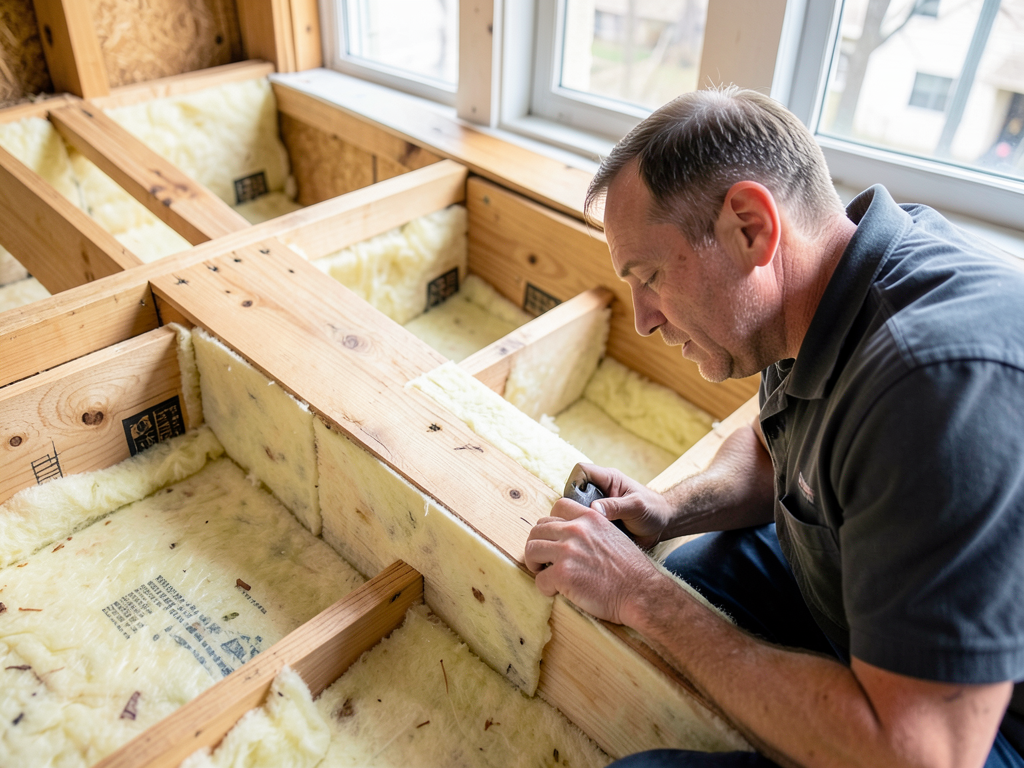
Cross-section of a properly insulated porch floor showing rigid foam board insulation, vapor barrier, and finished flooring assembly.
Photo of a Mitsubishi Hyper-Heat mini-split outdoor unit with snow clearance specifications and proper installation height above expected snow levels.
Frequently Asked Questions
How much does it cost to convert a three-season porch to year-round use?
Total conversion costs range from $5,000 to $15,000 depending on insulation needs and heating system choice. Basic insulation and electric baseboard heat run at the low end. Full insulation with a cold-climate mini-split system costs more but provides better comfort and efficiency.
Can I just add a space heater to my porch?
Portable space heaters provide temporary warmth but cannot effectively heat a Minnesota porch. They draw excessive electricity, create fire hazards, and cannot maintain comfortable temperatures when outdoor temperatures drop below freezing. Proper insulation and a dedicated heating system work much better.
Do I need a permit to add heating to my porch?
Minneapolis requires permits for most heating installations. Electrical permits cover baseboard heaters and mini-splits. Mechanical permits cover heat pump installations. Gas line work needs additional permits. Skipping permits can result in fines and insurance problems.
How long does installation take?
Simple electric baseboard installation takes one day. Mini-split installation requires two to three days including electrical work and system charging. Radiant floor heating during renovations takes several days to a week depending on flooring choices and system type.
Will heating my porch increase my utility bills significantly?
Monthly operating costs range from $30 to $150 depending on system efficiency and usage. Mini-splits cost the least to operate while electric resistance heaters cost the most. Proper insulation reduces heating needs by 30% to 50%, significantly lowering operating costs.
Ready to enjoy your porch all year long? Call (651) 588-9677 today to schedule your inspection. Our Minneapolis HVAC experts will evaluate your space and recommend the perfect heating solution for your St. Anthony Park home.
{
“@context”: “https://schema.org”,
“@type”: “BlogPosting”,
“headline”: “How to Turn Your St. Anthony Park Three-Season Porch Into a Year-Round Space”,
“description”: “Learn how to convert your St. Anthony Park porch for Minnesota winters. Get expert HVAC advice on insulation, heating systems, and local building codes.”,
“wordCount”: 1914,
“datePublished”: “2026-03-30T10:31:00.000Z”,
“dateModified”: “2026-03-30T10:31:00.000Z”,
“inLanguage”: “en-US”,
“mainEntityOfPage”: {
“@type”: “WebPage”,
“@id”: “https://allprohvacminneapolis.com”
},
“publisher”: {
“@type”: “LocalBusiness”,
“name”: “All Pro HVAC Minneapolis”,
“url”: “https://allprohvacminneapolis.com”
},
“author”: {
“@type”: “Organization”,
“name”: “All Pro HVAC Minneapolis”,
“url”: “https://allprohvacminneapolis.com”
},
“image”: {
“@type”: “ImageObject”,
“url”: “https://allprohvacminneapolis.com/wp-content/uploads/2026/03/how-to-turn-your-st-anthony-park-three-season-porc-1.png”
}
}
{
“@context”: “https://schema.org”,
“@type”: “HVACBusiness”,
“name”: “All Pro HVAC Minneapolis”,
“url”: “https://allprohvacminneapolis.com”,
“address”: {
“@type”: “PostalAddress”,
“addressLocality”: “Minneapolis”
},
“areaServed”: {
“@type”: “City”,
“name”: “Minneapolis”
}
}
{
“@context”: “https://schema.org”,
“@type”: “FAQPage”,
“mainEntity”: [
{
“@type”: “Question”,
“name”: “How much does it cost to convert a three-season porch to year-round use?”,
“acceptedAnswer”: {
“@type”: “Answer”,
“text”: “Total conversion costs range from $5,000 to $15,000 depending on insulation needs and heating system choice. Basic insulation and electric baseboard heat run at the low end. Full insulation with a cold-climate mini-split system costs more but provides better comfort and efficiency.”
}
},
{
“@type”: “Question”,
“name”: “Can I just add a space heater to my porch?”,
“acceptedAnswer”: {
“@type”: “Answer”,
“text”: “Portable space heaters provide temporary warmth but cannot effectively heat a Minnesota porch. They draw excessive electricity, create fire hazards, and cannot maintain comfortable temperatures when outdoor temperatures drop below freezing. Proper insulation and a dedicated heating system work much better.”
}
},
{
“@type”: “Question”,
“name”: “Do I need a permit to add heating to my porch?”,
“acceptedAnswer”: {
“@type”: “Answer”,
“text”: “Minneapolis requires permits for most heating installations. Electrical permits cover baseboard heaters and mini-splits. Mechanical permits cover heat pump installations. Gas line work needs additional permits. Skipping permits can result in fines and insurance problems.”
}
},
{
“@type”: “Question”,
“name”: “How long does installation take?”,
“acceptedAnswer”: {
“@type”: “Answer”,
“text”: “Simple electric baseboard installation takes one day. Mini-split installation requires two to three days including electrical work and system charging. Radiant floor heating during renovations takes several days to a week depending on flooring choices and system type.”
}
},
{
“@type”: “Question”,
“name”: “Will heating my porch increase my utility bills significantly?”,
“acceptedAnswer”: {
“@type”: “Answer”,
“text”: “Monthly operating costs range from $30 to $150 depending on system efficiency and usage. Mini-splits cost the least to operate while electric resistance heaters cost the most. Proper insulation reduces heating needs by 30% to 50%, significantly lowering operating costs.”
}
}
]
}
{
“@context”: “https://schema.org”,
“@type”: “BreadcrumbList”,
“itemListElement”: [
{
“@type”: “ListItem”,
“position”: 1,
“name”: “Home”,
“item”: “https://allprohvacminneapolis.com”
},
{
“@type”: “ListItem”,
“position”: 2,
“name”: “Blog”,
“item”: “https://allprohvacminneapolis.com/blog”
},
{
“@type”: “ListItem”,
“position”: 3,
“name”: “How to Turn Your St. Anthony Park Three-Season Porch Into a Year-Round Space”
}
]
}
{
“@context”: “https://schema.org”,
“@type”: “Service”,
“serviceType”: “HVAC”,
“provider”: {
“@type”: “LocalBusiness”,
“name”: “All Pro HVAC Minneapolis”,
“url”: “https://allprohvacminneapolis.com”
},
“areaServed”: {
“@type”: “City”,
“name”: “Minneapolis”
},
“description”: “Learn how to convert your St. Anthony Park porch for Minnesota winters. Get expert HVAC advice on insulation, heating systems, and local building codes.”
}