
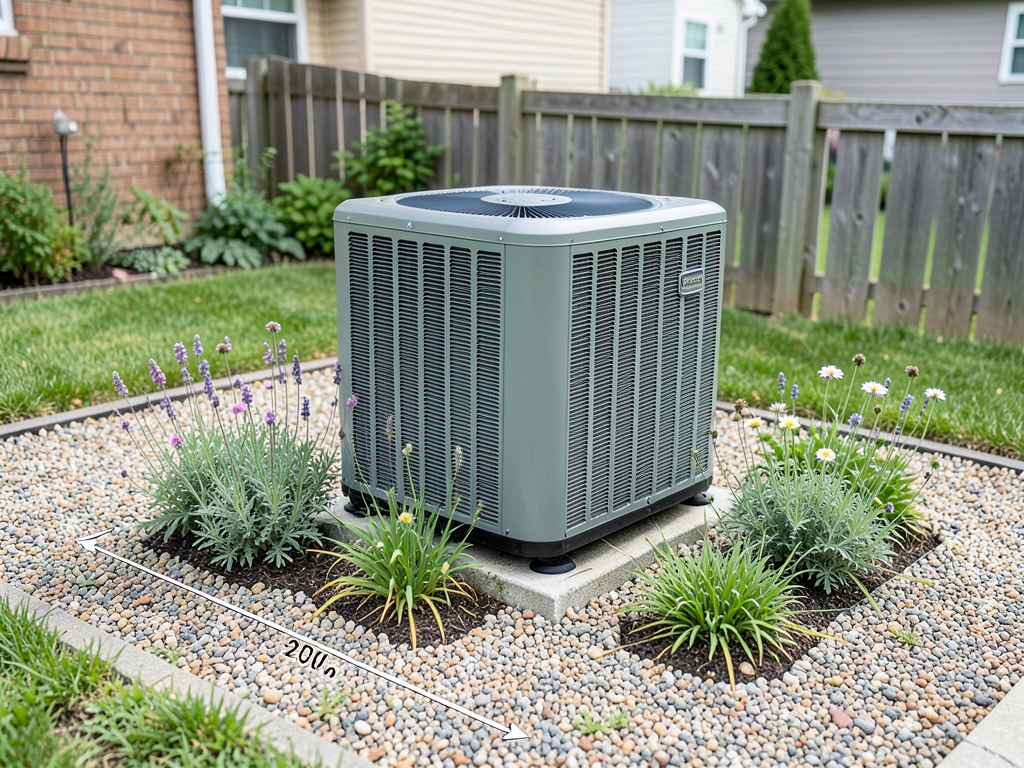
Why Your Minnetonka AC Unit Needs Breathing Room
Your air conditioner’s condenser unit sits outside, exposed to Minnesota’s brutal summers and heavy snowfall. That metal box needs more than just good looks around it. It needs proper airflow to work efficiently and avoid burning out before its time. When you landscape around your AC unit in Minnetonka, you’re not just hiding an eyesore. You’re protecting a $3,000 to $7,000 investment. Weak Airflow from Vents.
Most homeowners don’t realize that planting too close or using the wrong ground cover can reduce your system’s efficiency by up to 15 percent. That means higher electric bills and more frequent repairs. The right landscaping keeps your unit cool, accessible for maintenance, and protected from Minnetonka’s specific challenges like cottonwood seeds and heavy winter snow. EPA energy efficiency guidelines.
The Golden Rule: Understanding Airflow and Clearance
Airflow is everything. Your condenser needs to pull in air from all sides to release heat from your home. When plants or structures block this process, the unit works harder and runs longer. The International Mechanical Code requires a minimum of 24 inches of clearance on all sides of the unit and 60 inches above it. But in Minnesota’s humid summers, you need even more breathing room.
Think about the path a technician needs. They must access the unit for annual maintenance, filter changes, and emergency repairs. A three-foot clear path on at least one side is essential. Without it, simple service calls become complicated and expensive. You don’t want your beautiful landscaping to cost you an extra $200 for a basic tune-up. Finding an AC Repair Team in Edina That Actually Shows Up on Time.
Best Plants for Minneapolis Landscapes (Zone 4b)
Minnesota’s USDA Hardiness Zone 4b means you need plants that survive temperatures down to -30 degrees. But surviving winter isn’t enough. You need plants that don’t shed excessive debris into your condenser coils. Cottonwood trees are everywhere in Minnetonka, but their fluffy seeds clog AC units like nothing else. Avoid them within 30 feet of your condenser.
Instead, choose low-maintenance perennials that stay compact and clean. Hostas work great in shady spots near your unit. They grow to about two feet tall and wide, perfect for the 24-inch clearance rule. Coral Bells offer colorful foliage without messy flowers. Ornamental grasses like Feather Reed Grass add height without blocking airflow when planted at the proper distance.
Shrubs need careful selection too. Dwarf varieties of ninebark or potentilla stay under three feet and don’t produce messy fruit. Keep them at least three feet from the unit’s sides. Never plant anything that grows taller than your condenser’s top. When shrubs mature, they can block the critical 60-inch overhead clearance.
Ground Cover: Gravel vs. Mulch vs. Pavers
What goes under and around your AC unit matters as much as what grows beside it. Organic mulch like wood chips seems like a good choice, but it holds moisture against the unit’s base. In Minnesota’s freeze-thaw cycles, this moisture can cause rust and corrosion. Mulch also attracts insects that might nest inside the unit.. Read more about How Your Armatage Landscaping Might Be Killing Your Air Conditioner.
Pea gravel or river rock makes an excellent alternative. It drains well, doesn’t hold moisture, and prevents weed growth. The rocks also reflect heat away from the unit during hot summer days. Choose stones no smaller than half an inch to prevent them from getting caught in the fan blades.
Concrete pavers create a clean, professional look and provide a solid surface for technicians to work on. They prevent mud from splashing onto the unit during spring rains. However, pavers can trap heat if placed too close to the unit. Leave at least 12 inches of gravel between pavers and the condenser cabinet.
Never use rubber mulch or recycled tire products. They break down into tiny particles that can be sucked into the unit. The same goes for cocoa bean mulch, which can attract rodents looking for nesting material.
Seasonal Considerations: Dealing with Minnesota Winters
Winter in Minnetonka brings unique challenges for AC units. Snow sliding off your roof can bury the condenser under several feet of heavy, wet snow. This weight can bend the delicate aluminum fins on the condenser coils. Ice dams forming above the unit can also cause water to drip directly onto electrical components.
A simple plywood cover works better than commercial AC covers. Those tight-fitting covers trap moisture and cause more harm than good. Build a small roof over your unit using pressure-treated lumber. Make it tall enough to clear the 60-inch overhead requirement. This protects from falling snow and ice while still allowing air circulation.
Consider the prevailing winter winds when planning your landscaping. A well-placed evergreen on the north side can block cold winds that drive snow directly into the unit. But keep it far enough away to maintain proper clearance. The last thing you want is a beautiful spruce tree causing your AC to fail on the first hot day of spring. Fast AC Service for North Loop Condos and Lofts.
Spring brings another challenge: cottonwood seeds. These fluffy white seeds float for miles and collect in AC coils like a thick blanket. Once they get wet, they form a dense mat that blocks airflow completely. If you have cottonwood trees nearby, plan to clean your unit’s coils every spring. A simple coil brush and garden hose can save you hundreds in efficiency losses. How Much a New High Efficiency Furnace Really Costs in Minneapolis.
Service Accessibility: Think Like a Technician
Picture this: It’s July, your AC stops working, and the repair technician arrives. They need to remove service panels, check electrical connections, and possibly replace the fan motor. If your landscaping forces them to move heavy potted plants or squeeze through narrow gaps, you’re adding time and cost to every service call.
Create a clear three-foot service path. This doesn’t mean ugly concrete. Use stepping stones or a decorative gravel path that blends with your landscape design. The path should lead directly to the unit’s control panel and electrical disconnect. Make sure it’s wide enough for a technician to carry tools and parts without bumping into plants.
Consider the unit’s orientation. Most condensers have the electrical panel on one specific side. Don’t plant your tallest shrubs on that side. Keep that access point completely clear. Also, avoid planting anything with thorns or sharp leaves near the service path. Technicians need to work without getting scratched or poked.
Install a small lockable fence or gate if you’re concerned about children or pets getting too close to the unit. Just make sure the fence has a removable panel for service access. A good technician can’t work efficiently if they have to spend 15 minutes removing your decorative fencing.
Noise Reduction Through Strategic Planting
AC units make noise. A typical condenser produces about 70 decibels when running, similar to a vacuum cleaner. If your unit sits near a bedroom window or outdoor living space, you might want to reduce that noise. But be careful how you approach this.
A solid fence between your unit and living space can reduce noise by about 10 decibels. But it must be at least six feet tall and solid wood, not chain link. The fence should be at least three feet from the unit to maintain proper airflow. Never box in the unit completely.
Plants can help with noise reduction too, but they work differently than you might expect. A row of evergreen shrubs can reduce noise by about 5 decibels. The key is density and height. Arborvitae or juniper work well, but plant them in a double row for maximum effectiveness. Keep the inner row at least three feet from the unit.
Remember that plants also absorb sound through their leaves and branches. The denser the foliage, the better the noise reduction. But again, never sacrifice airflow for noise reduction. A quiet AC that doesn’t work efficiently serves no one.
Common Mistakes That Kill AC Efficiency
Homeowners often make the same mistakes when landscaping around AC units. The most common is planting too close. That cute little shrub you bought might grow into a six-foot monster that blocks half your condenser’s airflow. Always check the mature size before planting.
Another mistake is using climbing vines on trellises near the unit. Vines like ivy or clematis grow rapidly and can quickly overwhelm your condenser. They also hold moisture against the unit and provide nesting spots for rodents. If you must use a trellis, choose a non-climbing plant and keep the trellis at least four feet away.
Decorative rock mulch seems like a good idea, but using rocks that are too small causes problems. Half-inch river rock is perfect. Quarter-inch gravel gets sucked into the fan and can destroy the motor. Always use rocks larger than the unit’s intake slots.
Don’t forget about overhead clearance. Many homeowners focus on side clearance but ignore what’s above the unit. Tree branches hanging within 60 inches of the top can drop leaves and sap directly onto the condenser. Keep all branches at least seven feet above the unit’s highest point.
Finally, avoid creating a wind tunnel effect. Planting a solid wall of shrubs around your unit might seem like good protection, but it can actually increase wind pressure on the unit. This forces the fan to work harder. Use staggered plantings instead of solid walls.
Maintenance Schedule for Year-Round Protection
Even with perfect landscaping, your AC unit needs regular maintenance. Create a simple schedule to keep everything working efficiently. In early spring, before turning on your AC, inspect the area around the unit. Remove any leaves, branches, or debris that accumulated over winter.
Check your clearance zones. Plants grow faster than you expect. What was three feet away last year might be touching the unit this year. Trim back any vegetation that’s getting too close. Pay special attention to grass growing right up to the unit’s base. Keep at least a six-inch bare zone around the bottom.
During summer, check the unit monthly. Look for cottonwood seeds, grass clippings, or other debris collecting on the coils. A quick rinse with a garden hose can prevent efficiency losses. But never use a pressure washer. The high pressure can bend the delicate fins on the condenser coils.
Fall requires preparation for winter. After the first hard freeze, clean the area thoroughly. Remove any fallen leaves that might trap moisture. If you’re using a plywood cover, now’s the time to install it. But leave it slightly elevated to allow air circulation.
Winter is mostly hands-off, but check after major snowstorms. Heavy snow sliding off the roof can pile up against the unit. Remove snow carefully, avoiding damage to the fins. Don’t use metal tools that might scratch the paint and lead to rust.
Local Building Codes and HOA Considerations
Before you start landscaping, check your local requirements. Minnetonka and surrounding communities often have specific rules about HVAC equipment placement and screening. Some HOAs require units to be screened from street view. Others have restrictions on fence heights or materials.
The City of Minnetonka follows the Minnesota State Building Code, which references the International Mechanical Code. This code requires proper clearance for service access and ventilation. While it doesn’t dictate specific landscaping choices, it does require that nothing blocks the unit’s operation or service access.
Some neighborhoods in Minnetonka have additional requirements through their homeowners associations. They might require lattice screening or specific plant types. Always check these rules before investing in landscaping. The last thing you want is to redo your work because it violates HOA guidelines.
Also consider utility easement requirements. Your AC unit might sit in a utility easement that allows workers from the electric or gas company to access the area. Never block these easements with permanent structures or large plantings.
Cost-Effective Solutions for Every Budget
You don’t need to spend thousands to landscape around your AC unit properly. Simple solutions often work best. A basic gravel bed with a few strategically placed perennials can cost under $200. This provides proper drainage, prevents weed growth, and looks tidy.
Mid-range options might include a small decorative fence and some dwarf shrubs. Plan on $500 to $800 for this approach. The fence provides visual screening while the shrubs soften the look without blocking airflow.
High-end solutions could involve custom hardscaping, professional lighting, and mature plantings. These projects can run $2,000 to $5,000. But even with a big budget, remember that function comes before form. Don’t sacrifice efficiency for aesthetics.
Consider phased approaches if budget is tight. Start with the essential clearance and ground cover. Add decorative elements over time. This approach lets you learn what works in your specific location before making big investments.
Remember that proper landscaping around your AC unit isn’t just about looks. It’s about protecting your investment and ensuring your system runs efficiently for years to come. The right approach saves money on energy bills and prevents costly repairs.
Frequently Asked Questions
How far should plants be from my AC unit?
Maintain at least 24 inches of clearance on all sides and 60 inches above your AC unit. This allows proper airflow and service access. For Minnesota’s humid summers, consider adding extra space if possible.
Can I put a fence around my AC unit?
Yes, but the fence must be at least three feet from the unit on all sides. It should not block the top clearance of 60 inches. Include a removable panel for service access and never completely enclose the unit.
What’s the best ground cover for around an AC unit?
Pea gravel or river rock works best. It drains well, doesn’t hold moisture against the unit, and prevents weed growth. Avoid organic mulch which can trap moisture and attract insects.
How do I protect my AC from cottonwood seeds?
Clean your unit’s coils every spring to remove cottonwood seeds. Consider planting a barrier of low shrubs between cottonwood trees and your AC. The best solution is to avoid planting cottonwoods within 30 feet of your unit.
Should I cover my AC in winter?
Don’t use tight-fitting commercial covers. Instead, build a simple roof over the unit using plywood to protect from falling snow and ice. Keep it elevated for air circulation. Remove it in early spring before using the AC.
Can landscaping improve my AC’s efficiency?
Yes. Proper landscaping can improve efficiency by up to 10 percent. Use light-colored gravel to reflect heat, plant shade trees on the south and west sides of your home, and maintain proper clearance for optimal airflow.
What plants should I avoid near my AC?
Avoid cottonwoods, messy fruit trees, climbing vines, and anything with thorns or sharp leaves. Stay away from plants that grow rapidly or produce excessive debris. Choose compact, low-maintenance perennials instead.
How much does proper AC landscaping cost?
Costs range from under $200 for basic gravel and plants to $5,000 for custom hardscaping. Most homeowners spend $300 to $800 for a functional and attractive solution. Focus on proper clearance and airflow rather than expensive materials.
Will landscaping around my AC void the warranty?
Improper landscaping can void your warranty if it causes damage or prevents proper maintenance. Always maintain required clearances and service access. Document your landscaping choices in case warranty questions arise later.
How often should I check my AC landscaping?
Inspect your AC landscaping monthly during the cooling season and after major storms. Check clearance zones in early spring and late fall. Remove any debris that could block airflow or damage the unit.
Take Action Before Summer Heat Hits
Your air conditioner works hard all summer to keep your Minnetonka home comfortable. Don’t let poor landscaping choices make it work harder than necessary. The right plants, proper clearance, and seasonal maintenance can extend your system’s life by years and save you hundreds on energy bills.
Start with the basics: check your current clearance zones, remove any plants growing too close, and add proper ground cover. Then think about seasonal challenges specific to Minnesota. Cottonwood seeds in spring, heavy snow in winter, and hot humid summers all affect your AC’s performance.
If you’re unsure about your current setup or want professional advice, call (651) 588-9677 today. Our technicians can evaluate your system’s efficiency and recommend specific landscaping improvements for your property. Don’t wait until your AC fails on the hottest day of the year. Pick up the phone and call (651) 588-9677 before the next storm hits. For more information, visit IICRC S500 standard.
{
“@context”: “https://schema.org”,
“@type”: “BlogPosting”,
“headline”: “How to Landscape Around Your AC Unit Without Killing Your Efficiency in Minnetonka”,
“description”: “Learn how to landscape around your AC unit in Minnetonka without blocking airflow or reducing efficiency. Get expert tips on plant selection, clearance zones, and winter prep.”,
“wordCount”: 2745,
“datePublished”: “2026-05-03T14:52:00.000Z”,
“dateModified”: “2026-05-03T14:52:00.000Z”,
“inLanguage”: “en-US”,
“mainEntityOfPage”: {
“@type”: “WebPage”,
“@id”: “https://allprohvacminneapolis.com”
},
“publisher”: {
“@type”: “LocalBusiness”,
“name”: “All Pro HVAC Minneapolis”,
“url”: “https://allprohvacminneapolis.com”
},
“author”: {
“@type”: “Organization”,
“name”: “All Pro HVAC Minneapolis”,
“url”: “https://allprohvacminneapolis.com”
},
“image”: {
“@type”: “ImageObject”,
“url”: “https://allprohvacminneapolis.com/wp-content/uploads/2026/03/how-to-landscape-around-your-ac-unit-without-killi-1.png”
}
}
{
“@context”: “https://schema.org”,
“@type”: “HVACBusiness”,
“name”: “All Pro HVAC Minneapolis”,
“url”: “https://allprohvacminneapolis.com”,
“address”: {
“@type”: “PostalAddress”,
“addressLocality”: “Minneapolis”
},
“areaServed”: {
“@type”: “City”,
“name”: “Minneapolis”
}
}
{
“@context”: “https://schema.org”,
“@type”: “FAQPage”,
“mainEntity”: [
{
“@type”: “Question”,
“name”: “How far should plants be from my AC unit?”,
“acceptedAnswer”: {
“@type”: “Answer”,
“text”: “Maintain at least 24 inches of clearance on all sides and 60 inches above your AC unit. This allows proper airflow and service access. For Minnesota’s humid summers, consider adding extra space if possible.”
}
},
{
“@type”: “Question”,
“name”: “Can I put a fence around my AC unit?”,
“acceptedAnswer”: {
“@type”: “Answer”,
“text”: “Yes, but the fence must be at least three feet from the unit on all sides. It should not block the top clearance of 60 inches. Include a removable panel for service access and never completely enclose the unit.”
}
},
{
“@type”: “Question”,
“name”: “What’s the best ground cover for around an AC unit?”,
“acceptedAnswer”: {
“@type”: “Answer”,
“text”: “Pea gravel or river rock works best. It drains well, doesn’t hold moisture against the unit, and prevents weed growth. Avoid organic mulch which can trap moisture and attract insects.”
}
},
{
“@type”: “Question”,
“name”: “How do I protect my AC from cottonwood seeds?”,
“acceptedAnswer”: {
“@type”: “Answer”,
“text”: “Clean your unit’s coils every spring to remove cottonwood seeds. Consider planting a barrier of low shrubs between cottonwood trees and your AC. The best solution is to avoid planting cottonwoods within 30 feet of your unit.”
}
},
{
“@type”: “Question”,
“name”: “Should I cover my AC in winter?”,
“acceptedAnswer”: {
“@type”: “Answer”,
“text”: “Don’t use tight-fitting commercial covers. Instead, build a simple roof over the unit using plywood to protect from falling snow and ice. Keep it elevated for air circulation. Remove it in early spring before using the AC.”
}
},
{
“@type”: “Question”,
“name”: “Can landscaping improve my AC’s efficiency?”,
“acceptedAnswer”: {
“@type”: “Answer”,
“text”: “Yes. Proper landscaping can improve efficiency by up to 10 percent. Use light-colored gravel to reflect heat, plant shade trees on the south and west sides of your home, and maintain proper clearance for optimal airflow.”
}
},
{
“@type”: “Question”,
“name”: “What plants should I avoid near my AC?”,
“acceptedAnswer”: {
“@type”: “Answer”,
“text”: “Avoid cottonwoods, messy fruit trees, climbing vines, and anything with thorns or sharp leaves. Stay away from plants that grow rapidly or produce excessive debris. Choose compact, low-maintenance perennials instead.”
}
},
{
“@type”: “Question”,
“name”: “How much does proper AC landscaping cost?”,
“acceptedAnswer”: {
“@type”: “Answer”,
“text”: “Costs range from under $200 for basic gravel and plants to $5,000 for custom hardscaping. Most homeowners spend $300 to $800 for a functional and attractive solution. Focus on proper clearance and airflow rather than expensive materials.”
}
},
{
“@type”: “Question”,
“name”: “Will landscaping around my AC void the warranty?”,
“acceptedAnswer”: {
“@type”: “Answer”,
“text”: “Improper landscaping can void your warranty if it causes damage or prevents proper maintenance. Always maintain required clearances and service access. Document your landscaping choices in case warranty questions arise later.”
}
},
{
“@type”: “Question”,
“name”: “How often should I check my AC landscaping?”,
“acceptedAnswer”: {
“@type”: “Answer”,
“text”: “Inspect your AC landscaping monthly during the cooling season and after major storms. Check clearance zones in early spring and late fall. Remove any debris that could block airflow or damage the unit.”
}
}
]
}
{
“@context”: “https://schema.org”,
“@type”: “BreadcrumbList”,
“itemListElement”: [
{
“@type”: “ListItem”,
“position”: 1,
“name”: “Home”,
“item”: “https://allprohvacminneapolis.com”
},
{
“@type”: “ListItem”,
“position”: 2,
“name”: “Blog”,
“item”: “https://allprohvacminneapolis.com/blog”
},
{
“@type”: “ListItem”,
“position”: 3,
“name”: “How to Landscape Around Your AC Unit Without Killing Your Efficiency in Minnetonka”
}
]
}
{
“@context”: “https://schema.org”,
“@type”: “Service”,
“serviceType”: “HVAC”,
“provider”: {
“@type”: “LocalBusiness”,
“name”: “All Pro HVAC Minneapolis”,
“url”: “https://allprohvacminneapolis.com”
},
“areaServed”: {
“@type”: “City”,
“name”: “Minneapolis”
},
“description”: “Learn how to landscape around your AC unit in Minnetonka without blocking airflow or reducing efficiency. Get expert tips on plant selection, clearance zones, and winter prep.”
}