
How the Wrong Thermostat Location Can Ruin the Comfort of Your Mendota Heights Home
Living in Mendota Heights means dealing with Minnesota’s extreme temperature swings, from sub-zero winters to humid summers. Your thermostat controls your home’s comfort, but if it’s in the wrong spot, you could be wasting energy and money while never feeling truly comfortable. A poorly placed thermostat can cause your HVAC system to cycle too frequently or not enough, leading to hot and cold spots throughout your home.. Read more about Setting Your Thermostat for the Winter While You Head South from Sunfish Lake.
The good news is that understanding proper thermostat placement can solve many comfort issues without replacing your entire HVAC system. Whether you live in a newer home near Pilot Knob Road or an older property in the Mendakota area, the principles remain the same. Your thermostat needs to read the true average temperature of your living space to work efficiently.
The Golden Rule of Thermostat Placement
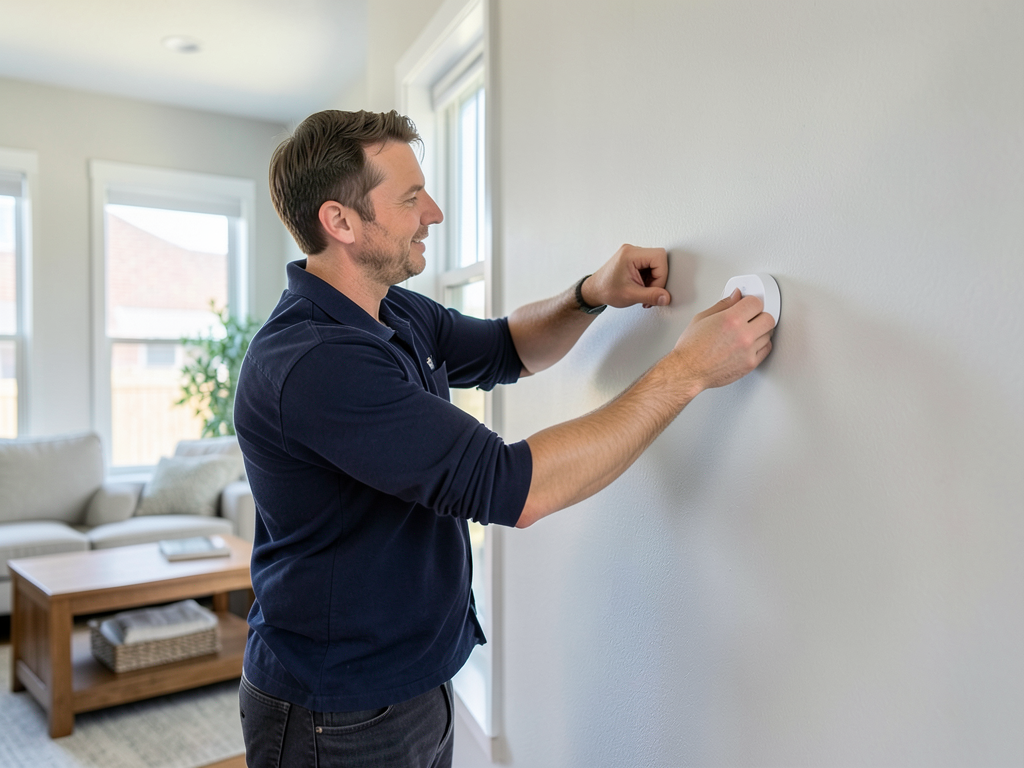
The most important principle for thermostat placement is simple: your thermostat should measure the average temperature of the room where people actually spend time. This means placing it on an interior wall, away from any heat sources or drafts that could trick it into reading the wrong temperature.
In Mendota Heights homes, this typically means avoiding exterior walls that get cold in winter or hot in summer. The ideal height is about five feet from the floor, which puts it at eye level and away from the coldest air near the floor or the warmest air near the ceiling. This height also keeps it out of reach of children and pets while remaining accessible for adjustments.
Interior walls in central locations work best because they’re surrounded by conditioned air from your HVAC system. Walls between frequently used rooms like living rooms and kitchens often provide the most accurate readings. The key is finding a spot that represents the true comfort level of your home, not just one corner that happens to be drafty or sunny. Finding an AC Repair Team in Edina That Actually Shows Up on Time.
5 Places You Should Never Install a Thermostat
Certain locations can cause your thermostat to read temperatures incorrectly, leading to comfort problems and higher energy bills. Here are the five worst places to install a thermostat in your Mendota Heights home.. Read more about The Best Ways to Balance Temperatures in an Elliot Park Multi Story Condo.
Direct sunlight is one of the biggest enemies of accurate thermostat readings. A thermostat placed near a window that gets afternoon sun might read 5-10 degrees warmer than the rest of your home, causing your air conditioner to run constantly in summer while leaving other rooms too cold. This is especially problematic in homes with large south-facing windows common in many Mendota Heights neighborhoods.
Kitchens create another problematic location due to the heat from ovens, stoves, and refrigerators. When you’re cooking dinner, your thermostat might read 10 degrees higher than the rest of your home, causing your heating system to shut off while other rooms remain cold. This temperature fluctuation makes it impossible for your HVAC system to maintain consistent comfort throughout your house.
Near windows and exterior doors presents similar problems with drafts and temperature variations. Every time someone opens a door in winter, cold air rushes past the thermostat, making it think your entire home is freezing. Your furnace then runs constantly, overheating the rest of the house while the thermostat area stays cold. How Much a New High Efficiency Furnace Really Costs in Minneapolis.
Hallways often seem like convenient locations, but they typically don’t represent the temperature of your living spaces. Hallways often run along exterior walls and may have less airflow than main living areas. A thermostat in a hallway might keep the hallway comfortable while bedrooms and living rooms remain too hot or too cold. Weak Airflow from Vents.
Above air vents creates a false reading because the thermostat senses the conditioned air blowing directly on it. This can cause short cycling, where your system turns on and off rapidly, reducing efficiency and comfort. The thermostat needs to measure ambient room air, not air that’s just been heated or cooled. AC Blowing Warm Air.
Special Considerations for Minneapolis Home Styles
Mendota Heights features a variety of home styles, each with unique considerations for thermostat placement. Understanding your home’s specific characteristics can help you find the optimal location for your thermostat.
Older homes in the Mendakota area often have plaster walls and different insulation levels than newer construction. These homes may have more temperature variation between rooms, making central thermostat placement even more critical. The thicker plaster walls can also make it more difficult to run new thermostat wiring if you need to relocate your unit.
Modern open-concept homes common in newer Mendota Heights developments present different challenges. With fewer walls and more open space, finding a central location becomes trickier. In these homes, the living area often serves as the best location since it’s where most family activity occurs and typically has good air circulation.
Multi-level homes need special consideration for temperature differences between floors. Heat rises, so upper floors tend to be warmer than lower floors. If you have a two-story home, consider a thermostat with remote sensors or multiple thermostats with zoning to maintain comfort throughout your home.. Read more about A Guide to Smart Thermostats That Actually Work with Minnesota Boilers.
Basement installations are common in Mendota Heights, but basements often stay cooler than main floors. If your thermostat is in the basement, it might keep your basement comfortable while upper floors become too warm in summer or too cold in winter. This is particularly important for homes with finished basements used as living spaces.
Smart Thermostats and Remote Sensors
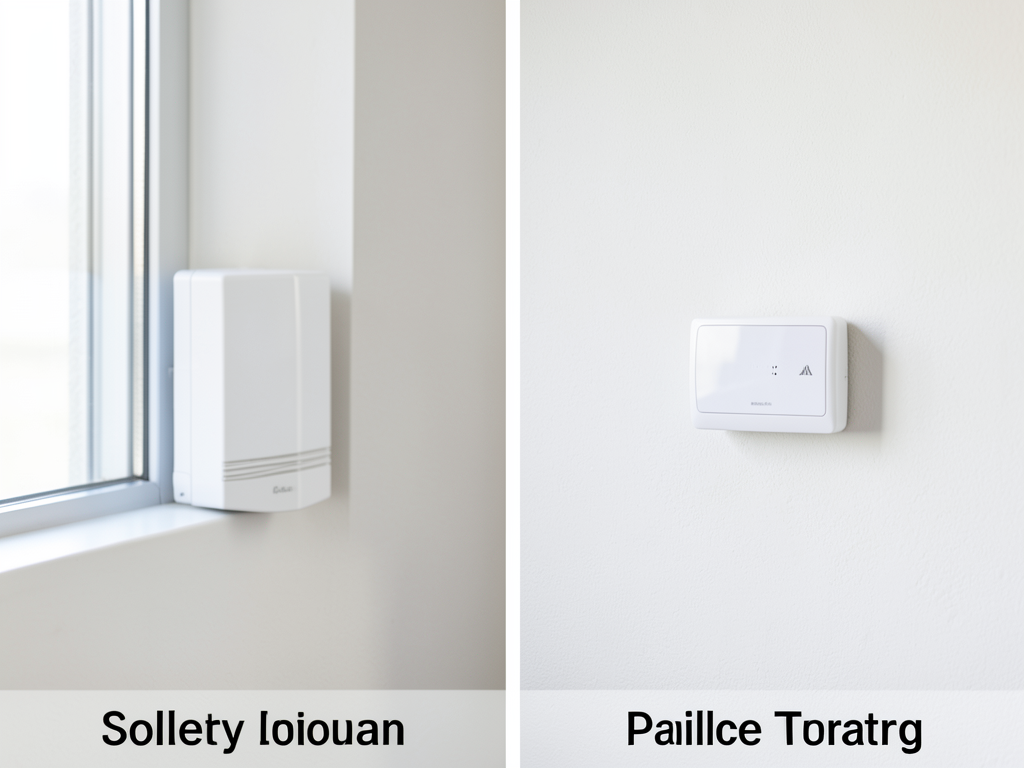
Modern smart thermostats offer solutions for difficult placement situations common in older Mendota Heights homes. These devices can use remote sensors placed in different rooms to get a more accurate picture of your home’s temperature, eliminating the need to move your main thermostat.
Smart thermostats like the Ecobee or Nest can average temperatures from multiple sensors throughout your home. This means you can place the main thermostat in a convenient location while sensors in bedrooms, living rooms, or other frequently used spaces ensure your entire home stays comfortable. This technology is particularly valuable in homes where moving the thermostat would require extensive rewiring or wall repair. EPA energy efficiency guidelines.
Some smart thermostats also learn your schedule and preferences over time, automatically adjusting temperatures based on when you’re home or away. They can integrate with other smart home devices and even provide energy usage reports to help you understand how your heating and cooling patterns affect your utility bills.
For homes with complex layouts or significant temperature variations between rooms, smart thermostats with remote sensors often provide the best solution. They allow you to maintain comfort in all areas of your home without the expense and hassle of relocating your main thermostat or installing multiple HVAC zones.
Local Utility Rebates and Smart Thermostat Benefits
Xcel Energy and CenterPoint Energy offer rebates for smart thermostat installations in the Minneapolis area, including Mendota Heights. These rebates can offset the cost of upgrading to a smart thermostat, making it easier to improve your home’s comfort and efficiency.
Smart thermostats can save you 10-15% on heating and cooling costs by optimizing your HVAC system’s operation. They automatically adjust temperatures when you’re asleep or away, preventing energy waste while maintaining comfort when you need it. The energy savings often pay for the thermostat within a year or two.
Many smart thermostats also provide maintenance reminders and can alert you to potential HVAC problems before they become major issues. They track system runtime and can notify you when it’s time to change filters or schedule maintenance, helping extend the life of your heating and cooling equipment.
The integration with local utility programs also means your smart thermostat can participate in energy-saving programs that help reduce peak demand on the electrical grid. During extreme weather events, your utility might briefly adjust your thermostat settings to reduce strain on the system, often with incentives that further reduce your energy costs.
Frequently Asked Questions
How do I know if my thermostat is in the wrong location?
If you experience uneven temperatures throughout your home, your HVAC system cycles on and off frequently, or you have comfort issues that persist despite adjusting your thermostat, your thermostat location might be the problem. A professional HVAC technician can assess your current placement and recommend improvements.
Can I move my thermostat myself?
While it’s possible to move a thermostat yourself, it involves running new wiring and potentially repairing walls. For most homeowners, hiring a professional HVAC technician ensures proper installation and avoids damaging your home’s electrical system or walls. Professional installation also maintains any warranties on your HVAC equipment.
How much does it cost to relocate a thermostat?
The cost varies depending on your home’s construction and how far you need to move the thermostat. Simple relocations within the same room might cost a few hundred dollars, while moving to a different floor could cost $500-1000 or more. Smart thermostats with remote sensors often provide a more cost-effective solution than physical relocation.
Will a smart thermostat solve my comfort problems?
Smart thermostats can significantly improve comfort by providing more accurate temperature readings and learning your preferences. However, they work best when combined with proper placement and a well-maintained HVAC system. If your home has significant insulation issues or ductwork problems, a smart thermostat alone won’t solve all your comfort challenges.
How long does thermostat installation take?
Standard thermostat replacement typically takes 1-2 hours. More complex installations involving new wiring or multiple sensors might take 3-4 hours. Most installations can be completed in a single visit, though extensive relocations might require additional time for wall repair and painting.
Take Control of Your Home’s Comfort Today
Don’t let poor thermostat placement continue to waste your money and compromise your comfort. Whether you need to relocate your existing thermostat, upgrade to a smart model, or add remote sensors for better whole-home temperature control, the right solution can transform your living experience.
Call (651) 588-9677 today to schedule a professional assessment of your thermostat location and HVAC system performance. Our experienced technicians understand the unique challenges of Mendota Heights homes and can recommend solutions that work with your specific home layout and lifestyle.
Pick up the phone and call (651) 588-9677 before the next extreme weather hits. A properly placed thermostat could be the difference between constant comfort and ongoing frustration with your home’s temperature. Don’t wait until you’re dealing with another Minnesota winter or summer heatwave to address these issues. For more information, visit U.S. Department of Energy thermostat guide.
{
“@context”: “https://schema.org”,
“@type”: “BlogPosting”,
“headline”: “How the Wrong Thermostat Location Can Ruin the Comfort of Your Mendota Heights Home”,
“description”: “Learn how thermostat placement affects your Mendota Heights home’s comfort and energy bills. Discover the best locations and avoid costly mistakes that impact HVAC efficiency.”,
“wordCount”: 1760,
“datePublished”: “2026-04-30T13:05:00.000Z”,
“dateModified”: “2026-04-30T13:05:00.000Z”,
“inLanguage”: “en-US”,
“mainEntityOfPage”: {
“@type”: “WebPage”,
“@id”: “https://allprohvacminneapolis.com”
},
“publisher”: {
“@type”: “LocalBusiness”,
“name”: “All Pro HVAC Minneapolis”,
“url”: “https://allprohvacminneapolis.com”
},
“author”: {
“@type”: “Organization”,
“name”: “All Pro HVAC Minneapolis”,
“url”: “https://allprohvacminneapolis.com”
},
“image”: {
“@type”: “ImageObject”,
“url”: “https://allprohvacminneapolis.com/wp-content/uploads/2026/03/how-the-wrong-thermostat-location-can-ruin-the-com-1.png”
}
}
{
“@context”: “https://schema.org”,
“@type”: “HVACBusiness”,
“name”: “All Pro HVAC Minneapolis”,
“url”: “https://allprohvacminneapolis.com”,
“address”: {
“@type”: “PostalAddress”,
“addressLocality”: “Minneapolis”
},
“areaServed”: {
“@type”: “City”,
“name”: “Minneapolis”
}
}
{
“@context”: “https://schema.org”,
“@type”: “FAQPage”,
“mainEntity”: [
{
“@type”: “Question”,
“name”: “How do I know if my thermostat is in the wrong location?”,
“acceptedAnswer”: {
“@type”: “Answer”,
“text”: “If you experience uneven temperatures throughout your home, your HVAC system cycles on and off frequently, or you have comfort issues that persist despite adjusting your thermostat, your thermostat location might be the problem. A professional HVAC technician can assess your current placement and recommend improvements.”
}
},
{
“@type”: “Question”,
“name”: “Can I move my thermostat myself?”,
“acceptedAnswer”: {
“@type”: “Answer”,
“text”: “While it’s possible to move a thermostat yourself, it involves running new wiring and potentially repairing walls. For most homeowners, hiring a professional HVAC technician ensures proper installation and avoids damaging your home’s electrical system or walls. Professional installation also maintains any warranties on your HVAC equipment.”
}
},
{
“@type”: “Question”,
“name”: “How much does it cost to relocate a thermostat?”,
“acceptedAnswer”: {
“@type”: “Answer”,
“text”: “The cost varies depending on your home’s construction and how far you need to move the thermostat. Simple relocations within the same room might cost a few hundred dollars, while moving to a different floor could cost $500-1000 or more. Smart thermostats with remote sensors often provide a more cost-effective solution than physical relocation.”
}
},
{
“@type”: “Question”,
“name”: “Will a smart thermostat solve my comfort problems?”,
“acceptedAnswer”: {
“@type”: “Answer”,
“text”: “Smart thermostats can significantly improve comfort by providing more accurate temperature readings and learning your preferences. However, they work best when combined with proper placement and a well-maintained HVAC system. If your home has significant insulation issues or ductwork problems, a smart thermostat alone won’t solve all your comfort challenges.”
}
},
{
“@type”: “Question”,
“name”: “How long does thermostat installation take?”,
“acceptedAnswer”: {
“@type”: “Answer”,
“text”: “Standard thermostat replacement typically takes 1-2 hours. More complex installations involving new wiring or multiple sensors might take 3-4 hours. Most installations can be completed in a single visit, though extensive relocations might require additional time for wall repair and painting.”
}
}
]
}
{
“@context”: “https://schema.org”,
“@type”: “BreadcrumbList”,
“itemListElement”: [
{
“@type”: “ListItem”,
“position”: 1,
“name”: “Home”,
“item”: “https://allprohvacminneapolis.com”
},
{
“@type”: “ListItem”,
“position”: 2,
“name”: “Blog”,
“item”: “https://allprohvacminneapolis.com/blog”
},
{
“@type”: “ListItem”,
“position”: 3,
“name”: “How the Wrong Thermostat Location Can Ruin the Comfort of Your Mendota Heights Home”
}
]
}
{
“@context”: “https://schema.org”,
“@type”: “Service”,
“serviceType”: “HVAC”,
“provider”: {
“@type”: “LocalBusiness”,
“name”: “All Pro HVAC Minneapolis”,
“url”: “https://allprohvacminneapolis.com”
},
“areaServed”: {
“@type”: “City”,
“name”: “Minneapolis”
},
“description”: “Learn how thermostat placement affects your Mendota Heights home’s comfort and energy bills. Discover the best locations and avoid costly mistakes that impact HVAC efficiency.”
}