
Connecting Your HVAC System to a Full Home Automation Setup in Wayzata
Smart home technology has transformed how we control our living spaces. For Wayzata homeowners dealing with Minnesota’s extreme weather swings from -20°F polar vortexes to 95°F humid summers, connecting your HVAC system to a full home automation setup isn’t just convenient—it’s essential for comfort, efficiency, and protecting your investment. How Much a New High Efficiency Furnace Really Costs in Minneapolis.
Wayzata’s unique climate challenges demand more than basic thermostat control. A properly integrated system monitors temperature, humidity, and air quality while automatically adjusting to prevent frozen pipes during arctic blasts or excessive humidity that breeds mold in summer. The right setup can reduce energy costs by 15-20% while extending equipment life through optimized operation. Switching to a Cold Climate Heat Pump in Minnesota (Is It Worth It?).
Why Smart HVAC Integration Matters for Wayzata Homes
Minnesota’s climate creates specific HVAC demands that generic smart systems struggle to handle. Wayzata’s proximity to Lake Minnetonka means higher humidity levels during summer months, while the area’s older homes built before 1980 often lack the wiring infrastructure modern smart systems require.
Smart integration addresses these challenges through several mechanisms. First, geofencing detects when you’re returning home and pre-conditions your space, preventing the energy waste of heating or cooling an empty house. Second, zoning systems direct conditioned air only where needed, eliminating hot and cold spots common in multi-story Wayzata homes. Third, smart sensors monitor system performance and alert you to potential issues before they become expensive repairs. Finding an AC Repair Team in Edina That Actually Shows Up on Time.
According to the Minnesota Department of Commerce Energy Resources Division, homes with integrated smart HVAC systems see average annual savings of $350-450 compared to traditional setups. These savings compound when combined with Xcel Energy and CenterPoint Energy rebates for smart thermostat installations. Xcel Energy rebates.
Smart Thermostat Ecosystems: Which Works Best in Wayzata
Choosing the right smart thermostat ecosystem depends on your existing HVAC equipment, home automation preferences, and specific Wayzata climate needs. Here’s how the major platforms compare for our local conditions:
| Platform | Best For | Wayzata Climate Advantage | Local Compatibility |
|---|---|---|---|
| Google Nest | Learning algorithms | Adaptive recovery prevents system strain | Excellent with Carrier/Bryant equipment |
| Ecobee | Multi-room sensing | Room sensors fix uneven Wayzata home heating | Superior with variable-speed systems |
| Amazon Alexa | Voice control | Quick adjustments during weather changes | Broad third-party device support |
| Apple HomeKit | Privacy focus | Secure data handling for smart homes | Limited HVAC brand support |
For Wayzata’s historic homes along Lake Street and near the Wayzata Country Club, Ecobee often provides the best solution. Its room sensors can detect temperature variations between floors—a common issue in older construction where heat rises and leaves main floors chilly.
Modern Wayzata developments near Highway 7 typically feature newer construction compatible with Google Nest’s learning capabilities. The system adapts to your schedule while accounting for Minnesota’s rapid weather changes, automatically adjusting setback temperatures when polar vortex warnings trigger.
C-Wire Requirements and Power Extender Kits
Most smart thermostats require a C-wire (common wire) to provide continuous power. Wayzata homes built before 1990 often lack this wiring, creating a significant installation hurdle. Without a C-wire, smart thermostats experience:
- Battery drain requiring frequent replacements
- Display malfunctions during high-demand periods
- Wi-Fi connectivity issues
- System lockouts preventing heating or cooling
Power Extender Kits (PEKs) offer a workaround by using existing wires to create a virtual C-wire. However, this solution has limitations in Wayzata’s older homes where electrical panels may already be at capacity.
Professional installation becomes critical when dealing with Wayzata’s vintage electrical systems. The Minnesota State Building Code requires that any new thermostat installation meeting certain voltage thresholds must be performed by a licensed HVAC technician. This protects both your equipment warranty and your home’s electrical system.
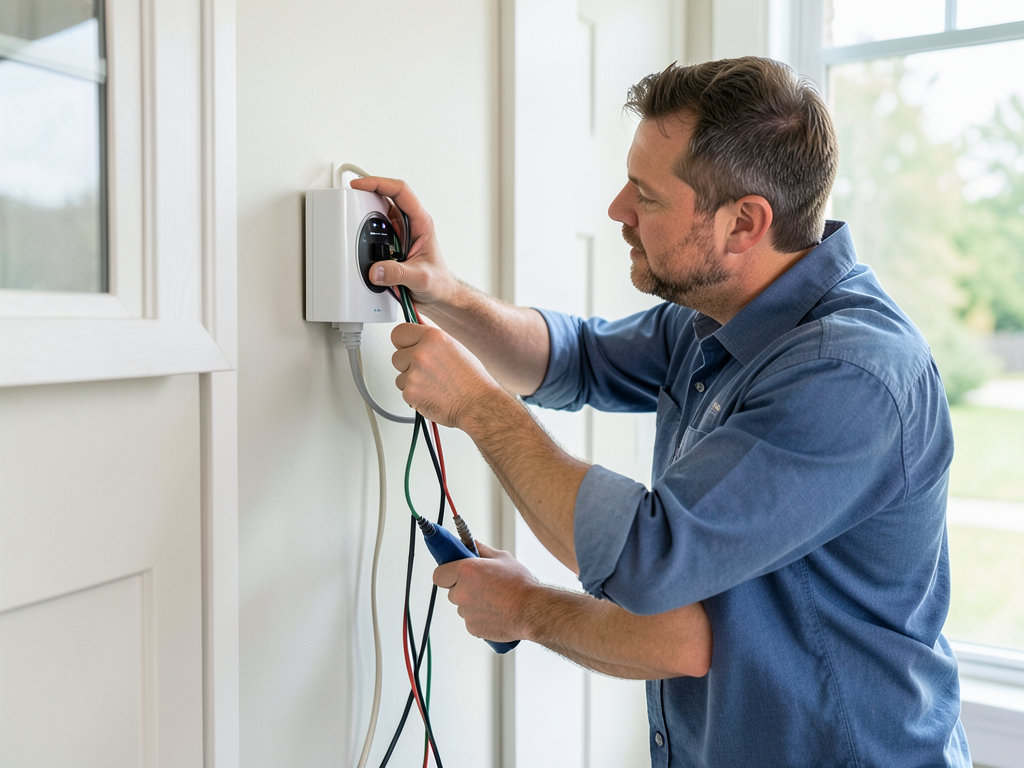
During installation, technicians perform a voltage check using a multimeter to ensure your system can support smart thermostat power requirements. Most modern systems need 20-30 volts, while some high-efficiency units require up to 40 volts.
Smart Zoning Systems for Multi-Story Wayzata Homes
Wayzata’s architectural diversity creates unique zoning challenges. Colonial-style homes near the Wayzata Depot often have finished basements that require separate temperature control from main living areas. Open-concept ranch homes in the northeastern part of town struggle with heat stratification. Fast AC Service for North Loop Condos and Lofts.
Smart zoning systems use motorized dampers installed in ductwork to direct airflow where needed. These systems integrate with your home automation platform through wireless or wired connections, allowing you to: Weak Airflow from Vents.
- Set different temperatures for upstairs and downstairs zones
- Automatically adjust based on occupancy sensors
- Balance humidity levels between zones
- Prevent energy waste in unused areas
The installation process involves a detailed load calculation following Manual J standards from the Air Conditioning Contractors of America. This calculation considers Wayzata’s specific climate data, your home’s insulation levels, window orientation, and occupancy patterns.
Smart zoning becomes particularly valuable during Wayzata’s shoulder seasons when temperatures fluctuate dramatically. The system can switch between heating and cooling multiple times per day, something manual systems struggle to manage efficiently.
Indoor Air Quality Integration with Smart Systems
Minnesota’s humid summers and sealed winter homes create indoor air quality challenges that smart systems can address. Wayzata’s proximity to Lake Minnetonka means higher baseline humidity, while older homes often have inadequate ventilation.
Smart IAQ integration connects air quality sensors to your HVAC system, automatically activating:
- Whole-house dehumidifiers when humidity exceeds 55%
- Energy recovery ventilators during mild weather
- High-efficiency air cleaners when particulate levels rise
- UV light systems to combat mold growth
These systems use particulate matter sensors to detect smoke, pollen, and other airborne contaminants. When Wayzata experiences Canadian wildfire smoke or spring pollen bursts, the system increases filtration rates automatically.
Smart humidifiers prevent the static electricity and respiratory discomfort common in Minnesota’s bone-dry winters. The system maintains optimal 30-40% humidity levels, protecting wood floors and musical instruments while improving sleep quality.
Local Rebates and ROI for Wayzata Homeowners
Wayzata residents can access substantial rebates for smart HVAC integration through Xcel Energy and CenterPoint Energy programs. As of 2026, available incentives include: CenterPoint Energy programs.
| Rebate Program | Amount | Eligibility | Application Deadline |
|---|---|---|---|
| Xcel Energy Smart Thermostat | $100 | Must be ENERGY STAR certified | Quarterly |
| CenterPoint Energy HVAC Efficiency | $200-400 | System must meet SEER2 requirements | Annual |
| Minnesota Weatherization Assistance | Up to $5,000 | Income-qualified households | Rolling |
| Federal Energy Tax Credit | 30% of system cost | Must meet energy efficiency standards | 2026 only |
The return on investment calculation for Wayzata homes typically breaks down as follows:
- Energy savings: 15-20% annually
- Equipment lifespan extension: 2-3 years
- Repair reduction: 25-30% fewer service calls
- Rebate value: $300-800 depending on system
For a typical Wayzata home with a 3-ton system, the payback period ranges from 2.5 to 3.5 years, after which the system generates pure savings while improving comfort.
The Installation Process: Professional vs. DIY
Smart HVAC integration requires specific technical expertise that goes beyond basic thermostat replacement. The installation process involves:
- System Assessment
Technicians evaluate your existing HVAC equipment, wiring infrastructure, and home automation ecosystem. This includes checking voltage requirements, inspecting ductwork for zoning potential, and assessing Wi-Fi signal strength throughout your home.
- Equipment Selection
Based on the assessment, technicians recommend specific smart thermostats, zoning equipment, and IAQ devices compatible with your system. They consider factors like Wayzata’s climate extremes, your home’s age, and your automation preferences.
- Wiring and Infrastructure
Installation includes running new thermostat wires, installing C-wires or PEKs, setting up zoning dampers, and ensuring proper grounding. Wayzata’s older homes often require electrical panel upgrades to support new smart systems.
- System Integration
The smart devices connect to your home network and integrate with existing automation platforms. Technicians configure geofencing, set up energy-saving schedules, and calibrate sensors for Wayzata’s specific conditions.
- Testing and Calibration
Comprehensive testing ensures all components work together properly. This includes checking airflow balance, verifying humidity control, testing emergency heat operation, and confirming remote access functionality.
DIY installation poses significant risks for Wayzata homeowners. Incorrect wiring can damage expensive HVAC equipment, void warranties, and create fire hazards. Minnesota State Mechanical Code requires that any work involving refrigerant lines or electrical connections above 30 volts be performed by licensed professionals.
Professional installation also ensures compatibility with local utility rebate programs. Many Wayzata residents have discovered too late that DIY installations disqualify them from valuable energy rebates.
Smart HVAC Performance During Minnesota Weather Extremes
Wayzata’s weather extremes test smart HVAC systems in ways mild-climate installations never experience. During polar vortex events, smart systems monitor outdoor temperature trends and pre-condition your home before extreme cold arrives. This prevents the system strain that occurs when trying to warm a cold house rapidly.
The system also monitors for signs of potential failure. If it detects abnormal cycling patterns or reduced heating capacity, it alerts you before you wake up to a freezing house. Some systems can even contact your HVAC provider automatically when they detect issues.
Summer humidity control becomes critical in Wayzata’s lake-influenced climate. Smart systems maintain optimal 45-55% indoor humidity, preventing the mold growth that occurs when humidity exceeds 60% for extended periods. They also prevent the over-drying that happens when traditional AC runs too long.
Power outage scenarios require special consideration. Smart systems with battery backup maintain critical functions during outages, while those without backup switch to basic operation. Wayzata’s occasional summer thunderstorms make this an important consideration.
Integration with Cold-Climate Heat Pumps
Cold-climate heat pumps represent the future of efficient heating in Minnesota, but they require specific smart integration approaches. These systems use variable-speed compressors that need smart controls capable of modulating output based on outdoor conditions.
Smart integration optimizes heat pump performance by:
- Switching between heat pump and backup heat based on efficiency curves
- Pre-conditioning the system before extreme temperature changes
- Monitoring refrigerant levels and compressor performance
- Optimizing defrost cycles to prevent energy waste
Wayzata’s newer developments near the Plymouth border increasingly feature these systems. Smart integration can improve their efficiency by 10-15% compared to basic thermostat control, making them competitive with natural gas even during Minnesota’s coldest months.
Geofencing and Occupancy-Based Control
Geofencing uses your smartphone’s location to automatically adjust your HVAC system. When you leave Wayzata for work in downtown Minneapolis, the system enters energy-saving mode. As you return, it begins pre-conditioning your home so it’s comfortable upon arrival.
This technology proves particularly valuable for Wayzata’s commuter population. The system learns your typical patterns while maintaining flexibility for schedule changes. It also integrates with other smart home features like lighting and security systems for comprehensive automation.
Occupancy sensors provide an additional layer of intelligence. These sensors detect when rooms are occupied and adjust temperatures accordingly. In Wayzata’s larger homes, this prevents wasting energy heating or cooling unoccupied spaces.
The combination of geofencing and occupancy sensing can reduce energy consumption by an additional 5-8% beyond basic smart thermostat savings.
Security and Privacy Considerations
Smart HVAC systems connect to your home network and often the internet, creating potential security vulnerabilities. Wayzata homeowners should consider:
- Using strong, unique passwords for all smart devices
- Keeping system firmware updated
- Using network segmentation to isolate smart devices
- Understanding data collection policies of different manufacturers
Some systems offer local-only operation without cloud connectivity, providing enhanced privacy at the cost of some convenience features. This option appeals to Wayzata residents concerned about data security.
Professional installers can help configure security settings and recommend best practices for protecting your smart home ecosystem.
Maintenance and Troubleshooting Smart Systems
Smart HVAC systems require different maintenance approaches than traditional systems. The technology provides early warning of potential issues, but homeowners should still perform regular maintenance:
- Monthly air filter inspection and replacement
- Quarterly sensor calibration checks
- Annual professional maintenance of mechanical components
- Software updates as released by manufacturers
When issues arise, smart systems often provide diagnostic information that helps technicians identify problems quickly. Error codes, performance graphs, and historical data speed up repairs and reduce diagnostic costs.
Wayzata’s seasonal maintenance schedule should include pre-season checks before both heating and cooling seasons. This ensures your system is ready for Minnesota’s rapid weather transitions.
Future-Proofing Your Smart HVAC Investment
Technology evolves rapidly, and smart HVAC systems continue to gain new capabilities. When investing in smart integration, consider:
- Choosing systems with open protocols like Matter for future compatibility
- Selecting equipment with over-the-air update capabilities
- Planning for potential electrical infrastructure upgrades
- Considering scalability for future home additions
The Matter protocol, set to become standard in 2026, promises improved interoperability between smart home devices. Systems compatible with Matter will work seamlessly with devices from different manufacturers, protecting your investment as technology evolves.
Wayzata’s building boom means many homes are being built with smart infrastructure already in place. For existing homes, retrofitting may require some compromises, but professional installation can minimize these limitations.
Frequently Asked Questions
Can I install a smart thermostat myself in my Wayzata home?
While DIY installation is possible, Minnesota State Mechanical Code requires licensed professionals for most thermostat installations involving electrical connections above 30 volts. Professional installation ensures proper wiring, maintains equipment warranties, and qualifies you for utility rebates.
How much does smart HVAC integration cost in Wayzata?
Basic smart thermostat installation starts around $300-500, while comprehensive smart zoning systems with IAQ integration typically range from $3,000-8,000 depending on your home’s size and existing infrastructure. These costs are often offset by utility rebates and energy savings.
Will smart HVAC integration work with my existing equipment?
Most modern HVAC systems are compatible with smart controls, but compatibility depends on your specific equipment age and type. Professional assessment determines whether your system needs upgrades or can work with existing components.
How long does installation take?
Basic smart thermostat installation typically requires 2-3 hours. Comprehensive smart zoning systems with IAQ integration may take 1-2 days depending on the complexity of your home’s infrastructure and the extent of modifications needed.
What happens during a power outage?
Basic smart thermostats lose all functionality during outages. Premium systems with battery backup maintain critical functions like temperature monitoring and can automatically restart in appropriate modes when power returns.
Can smart systems really save money in Minnesota’s climate?
Yes. Smart systems optimize operation for Minnesota’s extreme temperature swings, potentially saving 15-20% on energy costs annually. These savings, combined with utility rebates and extended equipment life, typically provide ROI within 2-3 years.
Do I need to upgrade my electrical panel?
Older Wayzata homes may need electrical upgrades to support smart HVAC systems, especially those with multiple zones or integrated IAQ equipment. Professional assessment determines specific requirements for your home.
Ready to Upgrade Your Wayzata Home’s Comfort and Efficiency?
Smart HVAC integration represents a significant investment in your home’s comfort, efficiency, and value. The extreme weather conditions in Wayzata make this technology particularly valuable, providing peace of mind during polar vortexes and optimizing comfort during humid summers.
Professional installation ensures your system works properly from day one, maintains all warranties, and qualifies for valuable utility rebates. Our NATE-certified technicians understand Wayzata’s unique climate challenges and can recommend the perfect smart solution for your specific home.
Don’t wait until your old thermostat fails during a cold snap. Call (651) 588-9677 today to schedule your smart HVAC consultation. We’ll assess your current system, discuss your automation goals, and provide a detailed quote with available rebate information.
Pick up the phone and call (651) 588-9677 before the next Minnesota weather extreme hits. Your comfort and energy savings are just one call away.
{
“@context”: “https://schema.org”,
“@type”: “BlogPosting”,
“headline”: “Connecting Your HVAC System to a Full Home Automation Setup in Wayzata”,
“description”: “Learn how to integrate your HVAC system with smart home automation in Wayzata. Discover local rebates, technical requirements, and expert installation from All Pro HVAC.”,
“wordCount”: 2558,
“datePublished”: “2026-05-13T14:08:00.000Z”,
“dateModified”: “2026-05-13T14:08:00.000Z”,
“inLanguage”: “en-US”,
“mainEntityOfPage”: {
“@type”: “WebPage”,
“@id”: “https://allprohvacminneapolis.com”
},
“publisher”: {
“@type”: “LocalBusiness”,
“name”: “All Pro HVAC Minneapolis”,
“url”: “https://allprohvacminneapolis.com”
},
“author”: {
“@type”: “Organization”,
“name”: “All Pro HVAC Minneapolis”,
“url”: “https://allprohvacminneapolis.com”
},
“image”: {
“@type”: “ImageObject”,
“url”: “https://allprohvacminneapolis.com/wp-content/uploads/2026/03/connecting-your-hvac-system-to-a-full-home-automat-1.png”
}
}
{
“@context”: “https://schema.org”,
“@type”: “HVACBusiness”,
“name”: “All Pro HVAC Minneapolis”,
“url”: “https://allprohvacminneapolis.com”,
“address”: {
“@type”: “PostalAddress”,
“addressLocality”: “Minneapolis”
},
“areaServed”: {
“@type”: “City”,
“name”: “Minneapolis”
}
}
{
“@context”: “https://schema.org”,
“@type”: “FAQPage”,
“mainEntity”: [
{
“@type”: “Question”,
“name”: “Can I install a smart thermostat myself in my Wayzata home?”,
“acceptedAnswer”: {
“@type”: “Answer”,
“text”: “While DIY installation is possible, Minnesota State Mechanical Code requires licensed professionals for most thermostat installations involving electrical connections above 30 volts. Professional installation ensures proper wiring, maintains equipment warranties, and qualifies you for utility rebates.”
}
},
{
“@type”: “Question”,
“name”: “How much does smart HVAC integration cost in Wayzata?”,
“acceptedAnswer”: {
“@type”: “Answer”,
“text”: “Basic smart thermostat installation starts around $300-500, while comprehensive smart zoning systems with IAQ integration typically range from $3,000-8,000 depending on your home’s size and existing infrastructure. These costs are often offset by utility rebates and energy savings.”
}
},
{
“@type”: “Question”,
“name”: “Will smart HVAC integration work with my existing equipment?”,
“acceptedAnswer”: {
“@type”: “Answer”,
“text”: “Most modern HVAC systems are compatible with smart controls, but compatibility depends on your specific equipment age and type. Professional assessment determines whether your system needs upgrades or can work with existing components.”
}
},
{
“@type”: “Question”,
“name”: “How long does installation take?”,
“acceptedAnswer”: {
“@type”: “Answer”,
“text”: “Basic smart thermostat installation typically requires 2-3 hours. Comprehensive smart zoning systems with IAQ integration may take 1-2 days depending on the complexity of your home’s infrastructure and the extent of modifications needed.”
}
},
{
“@type”: “Question”,
“name”: “What happens during a power outage?”,
“acceptedAnswer”: {
“@type”: “Answer”,
“text”: “Basic smart thermostats lose all functionality during outages. Premium systems with battery backup maintain critical functions like temperature monitoring and can automatically restart in appropriate modes when power returns.”
}
},
{
“@type”: “Question”,
“name”: “Can smart systems really save money in Minnesota’s climate?”,
“acceptedAnswer”: {
“@type”: “Answer”,
“text”: “Yes. Smart systems optimize operation for Minnesota’s extreme temperature swings, potentially saving 15-20% on energy costs annually. These savings, combined with utility rebates and extended equipment life, typically provide ROI within 2-3 years.”
}
},
{
“@type”: “Question”,
“name”: “Do I need to upgrade my electrical panel?”,
“acceptedAnswer”: {
“@type”: “Answer”,
“text”: “Older Wayzata homes may need electrical upgrades to support smart HVAC systems, especially those with multiple zones or integrated IAQ equipment. Professional assessment determines specific requirements for your home.”
}
},
{
“@type”: “Question”,
“name”: “Ready to Upgrade Your Wayzata Home’s Comfort and Efficiency?”,
“acceptedAnswer”: {
“@type”: “Answer”,
“text”: “Smart HVAC integration represents a significant investment in your home’s comfort, efficiency, and value. The extreme weather conditions in Wayzata make this technology particularly valuable, providing peace of mind during polar vortexes and optimizing comfort during humid summers.”
}
}
]
}
{
“@context”: “https://schema.org”,
“@type”: “HowTo”,
“name”: “Smart HVAC Installation Process”,
“step”: [
{
“@type”: “HowToStep”,
“position”: 1,
“name”: “System Assessment”,
“text”: “Technicians evaluate your existing HVAC equipment, wiring infrastructure, and home automation ecosystem. This includes checking voltage requirements, inspecting ductwork for zoning potential, and assessing Wi-Fi signal strength throughout your home.”
},
{
“@type”: “HowToStep”,
“position”: 2,
“name”: “Equipment Selection”,
“text”: “Based on the assessment, technicians recommend specific smart thermostats, zoning equipment, and IAQ devices compatible with your system. They consider factors like Wayzata’s climate extremes, your home’s age, and your automation preferences.”
},
{
“@type”: “HowToStep”,
“position”: 3,
“name”: “Wiring and Infrastructure”,
“text”: “Installation includes running new thermostat wires, installing C-wires or PEKs, setting up zoning dampers, and ensuring proper grounding. Wayzata’s older homes often require electrical panel upgrades to support new smart systems.”
},
{
“@type”: “HowToStep”,
“position”: 4,
“name”: “System Integration”,
“text”: “The smart devices connect to your home network and integrate with existing automation platforms. Technicians configure geofencing, set up energy-saving schedules, and calibrate sensors for Wayzata’s specific conditions.”
},
{
“@type”: “HowToStep”,
“position”: 5,
“name”: “Testing and Calibration”,
“text”: “Comprehensive testing ensures all components work together properly. This includes checking airflow balance, verifying humidity control, testing emergency heat operation, and confirming remote access functionality.”
}
],
“image”: “https://allprohvacminneapolis.com/wp-content/uploads/2026/03/connecting-your-hvac-system-to-a-full-home-automat-1.png”
}
{
“@context”: “https://schema.org”,
“@type”: “BreadcrumbList”,
“itemListElement”: [
{
“@type”: “ListItem”,
“position”: 1,
“name”: “Home”,
“item”: “https://allprohvacminneapolis.com”
},
{
“@type”: “ListItem”,
“position”: 2,
“name”: “Blog”,
“item”: “https://allprohvacminneapolis.com/blog”
},
{
“@type”: “ListItem”,
“position”: 3,
“name”: “Connecting Your HVAC System to a Full Home Automation Setup in Wayzata”
}
]
}
{
“@context”: “https://schema.org”,
“@type”: “Service”,
“serviceType”: “HVAC”,
“provider”: {
“@type”: “LocalBusiness”,
“name”: “All Pro HVAC Minneapolis”,
“url”: “https://allprohvacminneapolis.com”
},
“areaServed”: {
“@type”: “City”,
“name”: “Minneapolis”
},
“description”: “Learn how to integrate your HVAC system with smart home automation in Wayzata. Discover local rebates, technical requirements, and expert installation from All Pro HVAC.”
}