
A First-Time Homeowner Guide to the Mechanical Room in Your New Bryn Mawr House
Moving into your first home in Bryn Mawr is exciting. You have a new address near Cedar Lake and the Chain of Lakes. You have beautiful tree-lined streets and classic architecture. But now you are staring at a mechanical room full of pipes and wires and wondering what everything does. This guide walks you through the basics so you can keep your home warm in January and cool in July.
Understanding Your Minneapolis Home’s HVAC System
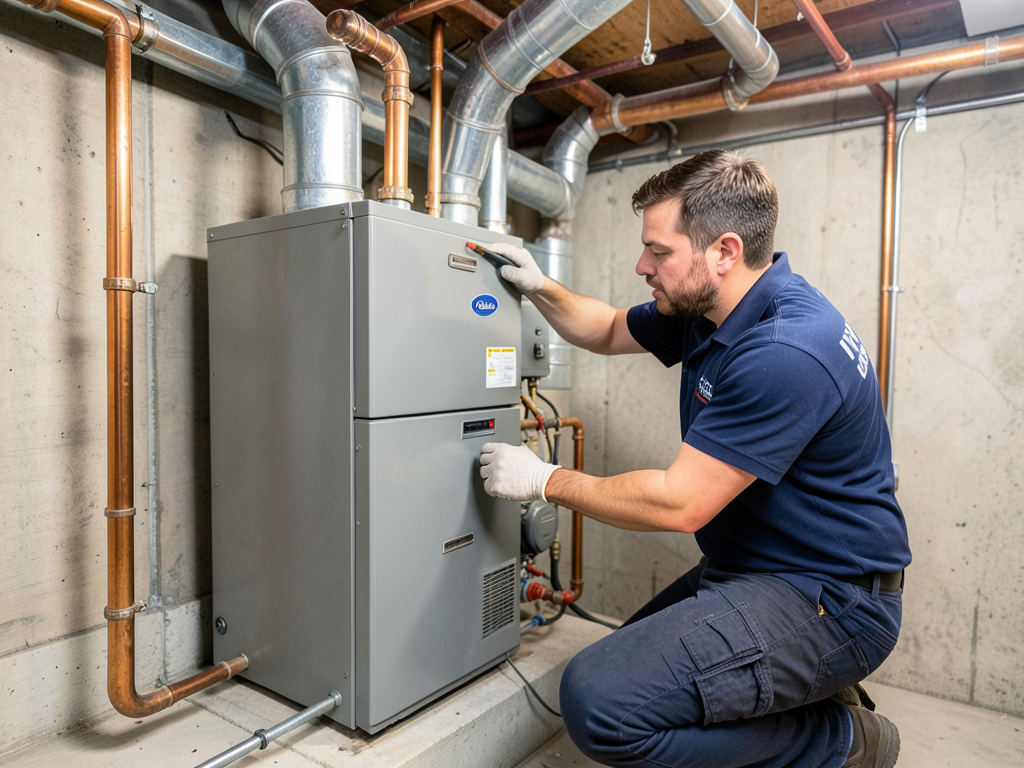
Bryn Mawr homes were built between the 1920s and 1970s. Many still have the original heating systems. You might have a high-efficiency furnace or an old boiler with cast-iron radiators. Some homes have a mix of both. The first step is figuring out what you have. How Much a New High Efficiency Furnace Really Costs in Minneapolis.
Open the mechanical room door. Look for a large metal box with a blue or yellow flame visible through a small window. That is a gas furnace. If you see a tall metal tank with pipes coming out of the top and bottom, that is a boiler. Boilers heat water and send it through radiators or baseboard heaters. Fixing Old Boilers in Historic South Minneapolis Homes.
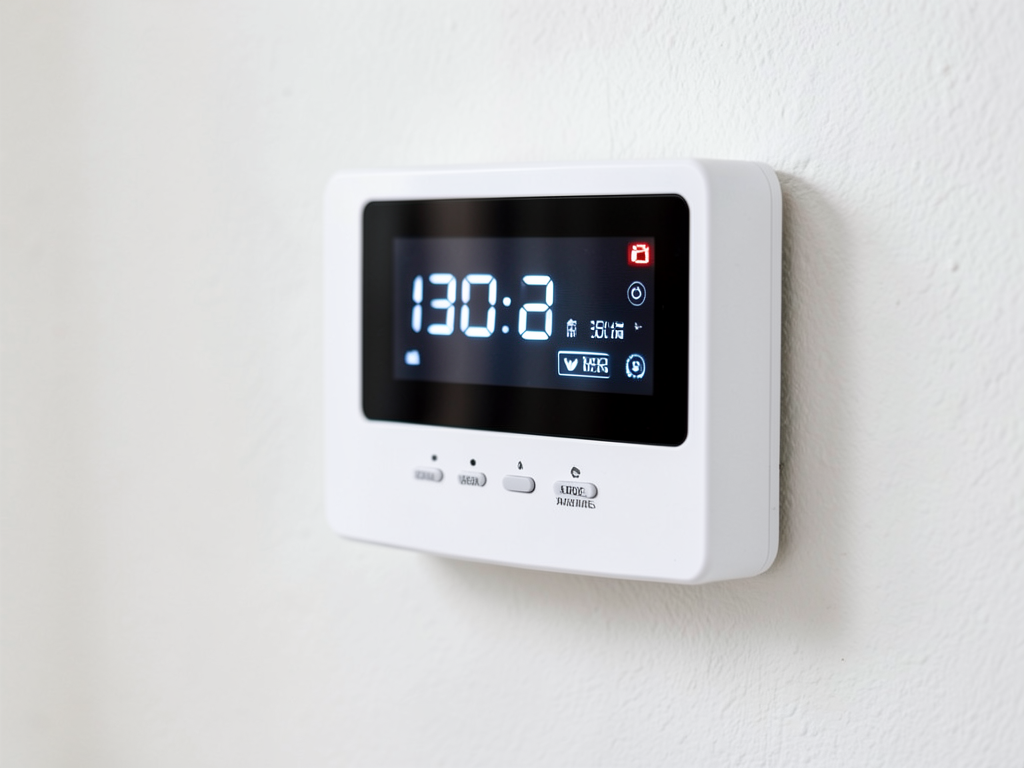
Next find the thermostat on the wall. If it is a round dial with a mercury switch, it is very old. Replace it with a programmable or smart thermostat for better control and energy savings. The thermostat talks to the furnace or boiler to tell it when to turn on and off.
If you have central air conditioning, there will be an outdoor unit near the house. It looks like a metal box with a fan on top. Inside the mechanical room you may see an air handler or a coil attached to the furnace. That is the indoor half of your AC system.. Read more about Can Your Calhoun Isles HVAC System Actually Handle a HEPA Filter Upgrade?.
The Twin Cities Climate Challenge
Minneapolis weather is not gentle. Winter temperatures can drop below zero for weeks. Summer heat and humidity can push past ninety degrees. Your HVAC system has to handle both extremes. That means different maintenance needs for different seasons.
In winter, your furnace or boiler runs almost constantly. The cold can make metal parts contract and seals shrink. If you hear a loud bang when the system starts, that could mean a cracked heat exchanger. If you smell gas, shut off the system and call a professional immediately. Carbon monoxide detectors are required by Minneapolis code in all sleeping areas. Test them monthly.
Summer puts stress on your air conditioner. The outdoor condenser needs at least two feet of clear space around it. Keep plants and leaves away. If the unit ices over, turn it off and let it thaw. Running a frozen AC can burn out the compressor.
Spring and fall are your transition seasons. This is when you switch from heating to cooling or vice versa. Check your air filter every month during these months. A dirty filter makes your system work harder and can cause it to overheat.
Maintenance Checklist for New Owners
Regular maintenance keeps your system running and prevents expensive repairs. Here is a simple checklist you can follow. Finding an AC Repair Team in Edina That Actually Shows Up on Time.
- Check Air Filters
Replace or clean the filter every one to three months. A clogged filter reduces airflow and can cause the system to shut down.
- Test Thermostat
Set the thermostat to heat or cool and listen for the system to start. If it does not respond, replace the batteries or call a technician.
- Inspect Vents
Walk through your home and make sure all supply and return vents are open and not blocked by furniture or curtains.
- Listen for Noises
A rattling sound could mean a loose panel. A screeching noise often means a worn blower motor belt.
- Check for Leaks
Look under the furnace or boiler for water. A small puddle could mean a clogged condensate line or a failing pressure relief valve.
Some tasks require a professional. An annual furnace tune-up includes cleaning the burners, checking the heat exchanger for cracks, and testing the gas pressure. A boiler inspection checks the pressure relief valve, expansion tank, and water chemistry. These prevent dangerous failures and keep your warranty valid.
Decoding HVAC Efficiency Ratings
When you see numbers like AFUE or SEER on your system, they tell you how efficient it is. AFUE stands for Annual Fuel Utilization Efficiency. It measures how much of the fuel your furnace turns into heat. A furnace with ninety-five percent AFUE wastes only five percent of the gas. Older models might be only fifty-five percent efficient.
SEER2 is the cooling equivalent. It stands for Seasonal Energy Efficiency Ratio version two. Higher numbers mean lower electricity use. In Minnesota, where AC runs only a few months a year, a SEER2 rating of sixteen to eighteen is common and cost-effective. Minnesota Department of Commerce Energy Resources.
HSPF2 measures heat pump efficiency in heating mode. Minnesota winters are too cold for standard heat pumps, but cold-climate models can work down to negative ten degrees. They switch to electric resistance heat when it gets colder. Switching to a Cold Climate Heat Pump in Minnesota (Is It Worth It?).
Energy Star certification means the system meets strict efficiency guidelines set by the EPA. Energy Star furnaces and boilers can save you hundreds of dollars a year on utility bills.
Local Rebates and Financial Incentives
Minneapolis and Minnesota offer rebates to help you upgrade to efficient equipment. Xcel Energy provides rebates for high-efficiency furnaces, boilers, and smart thermostats. CenterPoint Energy offers similar incentives for natural gas equipment. Xcel Energy rebates.
The Minnesota Department of Commerce Energy Resources Division manages state-level programs. You may qualify for a rebate if you install an Energy Star furnace with at least ninety-five percent AFUE or a boiler with at least ninety percent AFUE.
Some utility rebates require a professional energy audit first. The audit identifies air leaks, poor insulation, and inefficient equipment. You can then apply for rebates on the recommended upgrades.
Local HVAC contractors often handle the rebate paperwork for you. Ask your technician which rebates apply to your system before you buy.
Red Flags: When to Call an Emergency Technician
Some HVAC problems are dangerous and need immediate attention. Here are the warning signs.
If you smell rotten eggs near your furnace or boiler, that is a gas leak. Leave the house and call your gas company from outside. Do not turn on lights or use your phone inside.
A burning smell that lasts more than a few minutes could mean an electrical problem. Turn off the system and call a technician.
If your carbon monoxide detector goes off, get everyone outside and call 911. Carbon monoxide is colorless and odorless but can be deadly.
A furnace that turns on and off every few minutes is short-cycling. This can be caused by a dirty filter, a bad thermostat, or an oversized system. Short-cycling wastes energy and wears out parts quickly.
Water pooling around your boiler or air handler means a leak. Small leaks can cause rust and electrical shorts. Turn off the system and call for service. Fast AC Service for North Loop Condos and Lofts.
If your home is not warming up even though the furnace is running, the problem could be a broken igniter, a clogged burner, or a failed control board. These require a professional diagnosis.
Comparing Common HVAC Systems in Bryn Mawr
| System Type | Fuel Source | Best For | Maintenance Need |
|---|---|---|---|
| Gas Furnace | Natural gas | Fast heating in cold climates | Annual tune-up, filter changes |
| Boiler with Radiators | Natural gas or oil | Even heat, quiet operation | Annual inspection, bleed radiators |
| Air-Source Heat Pump | Electricity | Cooling and mild heating | Seasonal cleaning, refrigerant check |
| Cold-Climate Heat Pump | Electricity | Year-round heating in MN | Annual service, defrost cycle check |
Winterization Tips for Your First Minnesota Winter
Before the first snow, prepare your HVAC system for the deep cold. Drain and shut off outdoor hose bibs to prevent freezing. If you have a heat pump, clear snow from the top and sides so air can flow.
Check your attic insulation. Heat rises and escapes through the roof. Adding insulation can reduce your heating bill by up to twenty percent.
Set your humidifier to thirty to forty percent in winter. Dry air makes you feel colder and can crack wood floors and furniture.
Keep your garage door closed as much as possible. An open garage lets cold air into the house and makes your system work harder.
If you go on vacation, do not turn the heat off completely. Set it to at least fifty-five degrees to prevent frozen pipes.
Indoor Air Quality in Sealed Minnesota Homes
In winter, you keep windows closed and seal drafts. That saves energy but traps dust, allergens, and moisture inside. Poor indoor air quality can cause headaches, dry skin, and respiratory problems.
Use a high-quality air filter with a MERV rating between eight and eleven. MERV stands for Minimum Efficiency Reporting Value. Higher numbers catch smaller particles but can also restrict airflow. Check your system manual for the maximum MERV rating it can handle.
Consider a whole-house humidifier if your home feels dry. Dry air can make you feel colder and increase static electricity. A humidifier also protects wood furniture and floors.
Change your filter more often if you have pets, allergies, or live near a busy street. A clean filter keeps your system efficient and your air clean.
Ventilation is also important. If your home is very tight, consider an energy recovery ventilator. It brings in fresh air without wasting heat.
Understanding Your Utility Bills
Your HVAC system is the biggest energy user in your home. In Minnesota, heating accounts for about sixty percent of your winter energy bill. Cooling is a smaller share but still significant in July and August.
Look at your bill each month. If it spikes without a weather explanation, your system may be running inefficiently. A sudden increase could mean a failing part or a refrigerant leak.
Xcel Energy and CenterPoint Energy offer online tools to track your usage. You can compare this year to last year and see if your efficiency improvements are working.
Consider a smart thermostat. It learns your schedule and adjusts the temperature automatically. Some models show you how much energy you use each day and suggest ways to save.
Building Code and Safety Requirements
Minneapolis has specific rules for HVAC installations. The Minneapolis Mechanical and Fuel Gas Code requires permits for most furnace and boiler replacements. The work must be inspected to ensure it meets safety standards.
Minnesota State Building Code Chapter 1346 sets energy efficiency requirements for new equipment. If you replace your furnace, the new one must meet current efficiency standards.
Carbon monoxide detectors are required in all sleeping areas and within ten feet of fuel-burning appliances. Smoke detectors are required on every level and outside each sleeping area.
Gas lines and venting must be installed by a licensed technician. Improper venting can cause carbon monoxide to back up into your home.
If you have an older home, check for asbestos around old ductwork or boilers. Disturbing asbestos requires special handling and disposal.
Frequently Asked Questions
How often should I change my furnace filter?
Change it every one to three months depending on filter type and household conditions. More pets or allergies mean more frequent changes.
What does short cycling mean?
Short cycling is when your furnace turns on and off every few minutes. It wastes energy and can damage the system. Common causes include a dirty filter or a bad thermostat.
Can I install a smart thermostat myself?
Many smart thermostats are designed for DIY installation. However, if your system has more than two wires or you are unsure, hire a professional to avoid damaging the equipment.
How do I know if my boiler needs repair?
Signs include no heat, strange noises, water leaks, or a pressure gauge reading outside the normal range. Annual maintenance can catch problems early.
Are heat pumps effective in Minnesota winters?
Standard heat pumps lose efficiency below freezing. Cold-climate models can heat effectively down to about negative ten degrees. Below that, they switch to electric backup heat.
What is the difference between a furnace and a boiler?
A furnace heats air and blows it through ducts. A boiler heats water and sends it through radiators or baseboard heaters. Furnaces heat faster; boilers provide more even heat.
How long do HVAC systems last?
A well-maintained furnace or boiler can last fifteen to thirty years. Air conditioners and heat pumps usually last ten to fifteen years. Regular maintenance extends life.
Should I cover my outdoor AC unit in winter?
No. Covering it traps moisture and can cause rust. Just clear snow and debris from the top and sides.
What is a MERV rating?
MERV stands for Minimum Efficiency Reporting Value. It measures how well a filter captures particles. Higher MERV ratings catch smaller particles but may restrict airflow if your system is not designed for them.
Do I need a permit to replace my furnace?
Yes. Minneapolis requires a permit and inspection for most furnace and boiler replacements. This ensures the work meets safety codes.
Conclusion
Your new home in Bryn Mawr has a story. The mechanical room is part of that story. Understanding your HVAC system helps you protect your investment and keep your family comfortable through Minnesota’s toughest seasons. Regular maintenance, smart upgrades, and knowing when to call a professional will save you money and stress.
If you hear a strange noise, smell something odd, or just want peace of mind, call a licensed HVAC technician. A quick inspection now can prevent a cold night later. Your system works hard for you. Take care of it, and it will take care of you.
Call (651) 588-9677 today to schedule your inspection. We serve Bryn Mawr and all of Minneapolis with fast, reliable service.
You may also find this helpful. Simple Steps to Winterize Your Burnsville HVAC System Before the First Big Freeze.
{
“@context”: “https://schema.org”,
“@type”: “BlogPosting”,
“headline”: “A First-Time Homeowner Guide to the Mechanical Room in Your New Bryn Mawr House”,
“description”: “New to Bryn Mawr? Learn how your Minneapolis home’s HVAC system works, what to check first, and how to avoid costly winter breakdowns.”,
“wordCount”: 2337,
“datePublished”: “2026-04-19T07:12:00.000Z”,
“dateModified”: “2026-04-19T07:12:00.000Z”,
“inLanguage”: “en-US”,
“mainEntityOfPage”: {
“@type”: “WebPage”,
“@id”: “https://allprohvacminneapolis.com”
},
“publisher”: {
“@type”: “LocalBusiness”,
“name”: “All Pro HVAC Minneapolis”,
“url”: “https://allprohvacminneapolis.com”
},
“author”: {
“@type”: “Organization”,
“name”: “All Pro HVAC Minneapolis”,
“url”: “https://allprohvacminneapolis.com”
},
“image”: {
“@type”: “ImageObject”,
“url”: “https://allprohvacminneapolis.com/wp-content/uploads/2026/03/a-first-time-homeowner-guide-to-the-mechanical-roo-1.png”
}
}
{
“@context”: “https://schema.org”,
“@type”: “HVACBusiness”,
“name”: “All Pro HVAC Minneapolis”,
“url”: “https://allprohvacminneapolis.com”,
“address”: {
“@type”: “PostalAddress”,
“addressLocality”: “Minneapolis”
},
“areaServed”: {
“@type”: “City”,
“name”: “Minneapolis”
}
}
{
“@context”: “https://schema.org”,
“@type”: “FAQPage”,
“mainEntity”: [
{
“@type”: “Question”,
“name”: “How often should I change my furnace filter?”,
“acceptedAnswer”: {
“@type”: “Answer”,
“text”: “Change it every one to three months depending on filter type and household conditions. More pets or allergies mean more frequent changes.”
}
},
{
“@type”: “Question”,
“name”: “What does short cycling mean?”,
“acceptedAnswer”: {
“@type”: “Answer”,
“text”: “Short cycling is when your furnace turns on and off every few minutes. It wastes energy and can damage the system. Common causes include a dirty filter or a bad thermostat.”
}
},
{
“@type”: “Question”,
“name”: “Can I install a smart thermostat myself?”,
“acceptedAnswer”: {
“@type”: “Answer”,
“text”: “Many smart thermostats are designed for DIY installation. However, if your system has more than two wires or you are unsure, hire a professional to avoid damaging the equipment.”
}
},
{
“@type”: “Question”,
“name”: “How do I know if my boiler needs repair?”,
“acceptedAnswer”: {
“@type”: “Answer”,
“text”: “Signs include no heat, strange noises, water leaks, or a pressure gauge reading outside the normal range. Annual maintenance can catch problems early.”
}
},
{
“@type”: “Question”,
“name”: “Are heat pumps effective in Minnesota winters?”,
“acceptedAnswer”: {
“@type”: “Answer”,
“text”: “Standard heat pumps lose efficiency below freezing. Cold-climate models can heat effectively down to about negative ten degrees. Below that, they switch to electric backup heat.”
}
},
{
“@type”: “Question”,
“name”: “What is the difference between a furnace and a boiler?”,
“acceptedAnswer”: {
“@type”: “Answer”,
“text”: “A furnace heats air and blows it through ducts. A boiler heats water and sends it through radiators or baseboard heaters. Furnaces heat faster; boilers provide more even heat.”
}
},
{
“@type”: “Question”,
“name”: “How long do HVAC systems last?”,
“acceptedAnswer”: {
“@type”: “Answer”,
“text”: “A well-maintained furnace or boiler can last fifteen to thirty years. Air conditioners and heat pumps usually last ten to fifteen years. Regular maintenance extends life.”
}
},
{
“@type”: “Question”,
“name”: “Should I cover my outdoor AC unit in winter?”,
“acceptedAnswer”: {
“@type”: “Answer”,
“text”: “No. Covering it traps moisture and can cause rust. Just clear snow and debris from the top and sides.”
}
},
{
“@type”: “Question”,
“name”: “What is a MERV rating?”,
“acceptedAnswer”: {
“@type”: “Answer”,
“text”: “MERV stands for Minimum Efficiency Reporting Value. It measures how well a filter captures particles. Higher MERV ratings catch smaller particles but may restrict airflow if your system is not designed for them.”
}
},
{
“@type”: “Question”,
“name”: “Do I need a permit to replace my furnace?”,
“acceptedAnswer”: {
“@type”: “Answer”,
“text”: “Yes. Minneapolis requires a permit and inspection for most furnace and boiler replacements. This ensures the work meets safety codes.”
}
}
]
}
{
“@context”: “https://schema.org”,
“@type”: “HowTo”,
“name”: “Monthly HVAC Maintenance Checklist”,
“step”: [
{
“@type”: “HowToStep”,
“position”: 1,
“name”: “Check Air Filters”,
“text”: “Replace or clean the filter every one to three months. A clogged filter reduces airflow and can cause the system to shut down.”
},
{
“@type”: “HowToStep”,
“position”: 2,
“name”: “Test Thermostat”,
“text”: “Set the thermostat to heat or cool and listen for the system to start. If it does not respond, replace the batteries or call a technician.”
},
{
“@type”: “HowToStep”,
“position”: 3,
“name”: “Inspect Vents”,
“text”: “Walk through your home and make sure all supply and return vents are open and not blocked by furniture or curtains.”
},
{
“@type”: “HowToStep”,
“position”: 4,
“name”: “Listen for Noises”,
“text”: “A rattling sound could mean a loose panel. A screeching noise often means a worn blower motor belt.”
},
{
“@type”: “HowToStep”,
“position”: 5,
“name”: “Check for Leaks”,
“text”: “Look under the furnace or boiler for water. A small puddle could mean a clogged condensate line or a failing pressure relief valve.”
}
],
“image”: “https://allprohvacminneapolis.com/wp-content/uploads/2026/03/a-first-time-homeowner-guide-to-the-mechanical-roo-1.png”
}
{
“@context”: “https://schema.org”,
“@type”: “BreadcrumbList”,
“itemListElement”: [
{
“@type”: “ListItem”,
“position”: 1,
“name”: “Home”,
“item”: “https://allprohvacminneapolis.com”
},
{
“@type”: “ListItem”,
“position”: 2,
“name”: “Blog”,
“item”: “https://allprohvacminneapolis.com/blog”
},
{
“@type”: “ListItem”,
“position”: 3,
“name”: “A First-Time Homeowner Guide to the Mechanical Room in Your New Bryn Mawr House”
}
]
}
{
“@context”: “https://schema.org”,
“@type”: “Service”,
“serviceType”: “HVAC”,
“provider”: {
“@type”: “LocalBusiness”,
“name”: “All Pro HVAC Minneapolis”,
“url”: “https://allprohvacminneapolis.com”
},
“areaServed”: {
“@type”: “City”,
“name”: “Minneapolis”
},
“description”: “New to Bryn Mawr? Learn how your Minneapolis home’s HVAC system works, what to check first, and how to avoid costly winter breakdowns.”
}