
Connecting Your Savage Smart Home to Your HVAC for Better Energy Savings
Smart home technology has revolutionized how we control our living spaces and energy costs. For Savage homeowners, connecting your HVAC system to smart home devices offers significant energy savings and enhanced comfort control. This guide walks you through the process of integrating your heating and cooling system with smart technology specifically for the Savage area.
Why Smart HVAC Integration Matters in Savage
Savage experiences Minnesota’s extreme temperature swings from sub-zero winters to humid summers. Smart HVAC integration helps you manage these conditions more efficiently while reducing energy bills. The right setup can save you 15-30% on heating and cooling costs annually.
Local Climate Considerations
Savage’s continental climate creates unique HVAC challenges. Your smart system needs to handle rapid temperature changes and high humidity levels during summer months. The technology must also protect against frozen pipes during polar vortex events. Switching to a Cold Climate Heat Pump in Minnesota (Is It Worth It?).
Essential Smart HVAC Components
Building a connected HVAC system requires several key components that work together seamlessly. Here’s what you need to know about each element.
Smart Thermostats
Smart thermostats serve as the brain of your connected HVAC system. Popular options include:
- Learning capabilities that adapt to your schedule
- Remote access via smartphone apps
- Integration with weather forecasts
- Energy usage tracking and reporting
Smart Sensors
Temperature and humidity sensors placed throughout your home provide more accurate climate control. These devices help eliminate hot and cold spots common in larger Savage homes.
Smart Vents
Automated vents allow room-by-room temperature control, perfect for multi-story homes where heat rises to upper levels. Weak Airflow from Vents.
Compatibility: Will Your Current System Work?
Before investing in smart technology, you need to know if your existing HVAC equipment can support these upgrades.
Furnace and AC Compatibility
Most modern furnaces and air conditioners work with smart thermostats. However, older systems may require additional hardware or professional modification. How Much a New High Efficiency Furnace Really Costs in Minneapolis.
Common Compatibility Issues:
- Missing C-wire for power
- Proprietary control systems
- Multi-stage heating/cooling configurations
- Zone control systems
Smart Home Ecosystem Integration
Your smart HVAC system needs to work with your existing smart home setup. Here are the main platforms and their HVAC capabilities.
Amazon Alexa
Alexa offers extensive HVAC control through voice commands and routines. You can create temperature-based automations that trigger other smart devices.
Google Home
Google’s platform provides seamless integration with Nest thermostats and other Google Home-compatible devices.
Apple HomeKit
HomeKit offers strong privacy features and works well with Siri voice control for HVAC management.
Installation Options: DIY vs Professional
Deciding between DIY installation and professional help depends on your technical comfort level and system complexity.
DIY Installation
Simple smart thermostat replacements can be DIY projects if you have basic electrical knowledge and follow manufacturer instructions carefully.
Professional Installation
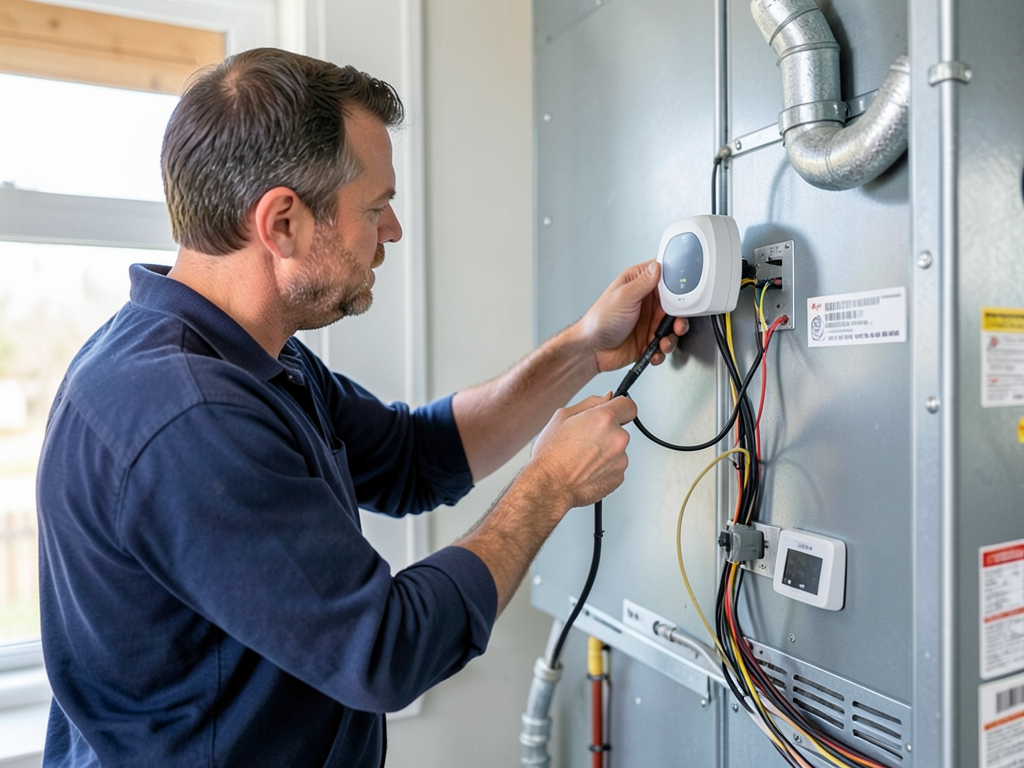
Professional installation ensures proper wiring, configuration, and integration with your existing HVAC system. This option is recommended for complex systems or if you’re unsure about electrical work.
Energy Savings and ROI
Smart HVAC systems offer substantial energy savings through optimized scheduling and automated adjustments.
Projected Savings
Typical energy savings include:
- 10-15% reduction in heating costs
- 15-20% reduction in cooling costs
- 5-10% reduction in overall energy usage
Payback Period
Most smart HVAC investments pay for themselves within 2-3 years through energy savings and available rebates.
Local Utility Rebates and Incentives
Xcel Energy and CenterPoint Energy offer substantial rebates for smart thermostat installations in Savage. Xcel Energy Smart Thermostat Rebates.
Xcel Energy Rebates
Xcel Energy provides rebates up to $100 for qualifying smart thermostats. These rebates apply to both new installations and replacements.
CenterPoint Energy Programs
CenterPoint Energy offers additional incentives through their conservation improvement programs, potentially adding $50-75 to your total rebate. CenterPoint Energy Smart Thermostat Rebates.
Advanced Features for Maximum Savings
Beyond basic temperature control, smart HVAC systems offer advanced features that maximize energy efficiency.
Geofencing
Geofencing uses your smartphone’s location to automatically adjust temperatures when you leave or return home.
Weather Integration
Smart systems can anticipate weather changes and adjust heating/cooling schedules accordingly.
Energy Usage Reports
Detailed reports help you understand your energy consumption patterns and identify further savings opportunities.
Maintenance and Troubleshooting
Smart HVAC systems still require regular maintenance to operate efficiently.
Filter Monitoring
Smart systems can track filter usage and remind you when replacements are needed.
System Health Monitoring
Many smart thermostats monitor system performance and alert you to potential issues before they become major problems.
Security Considerations
Connecting your HVAC to the internet introduces security considerations that need addressing.
Network Security
Ensure your smart devices are on a secure network with strong passwords and regular firmware updates.
Data Privacy
Review privacy policies of smart device manufacturers and understand what data they collect and how it’s used.
Getting Started: Your Action Plan
Ready to connect your Savage smart home to your HVAC system? Here’s your step-by-step plan.
- Assess Your Current System
Check your HVAC equipment age, type, and compatibility with smart technology.
- Choose Your Platform
Decide between Alexa, Google Home, or Apple HomeKit based on your existing devices.
- Select Compatible Devices
Choose smart thermostats and sensors that work with your chosen platform.
- Check for Rebates
Verify available utility rebates before purchasing equipment.
- Plan Installation
Decide between DIY or professional installation based on your comfort level.
Common Questions About Smart HVAC Integration
Do I need a C-wire for my smart thermostat?
Most smart thermostats require a C-wire for continuous power. If your system lacks one, you may need an adapter or professional installation.
Will smart HVAC work during power outages?
Smart features won’t work without power, but your basic heating and cooling will continue operating if the power returns.
How difficult is DIY installation?
Installation difficulty varies by system complexity. Simple replacements take 30-60 minutes, while complex integrations may require professional help.
Can I control my system remotely?
Yes, most smart HVAC systems offer smartphone apps for remote control from anywhere with internet access.
Local Building Code Compliance
Smart HVAC installations must comply with Minneapolis Mechanical and Fuel Gas Code requirements.
Key Code Requirements:
- Proper wiring and grounding
- Clearance requirements for equipment
- Permit requirements for major modifications
- Energy efficiency standards compliance
Future-Proofing Your Smart HVAC System
Technology continues evolving, so consider these factors when planning your smart HVAC installation.
Scalability
Choose systems that allow for easy expansion as you add more smart home devices.
Compatibility
Select devices that support emerging standards and protocols to ensure long-term viability.
Upgradability
Look for systems with over-the-air update capabilities to add new features as they become available.
Making the Right Choice for Your Savage Home
Every home has unique needs based on size, age, and occupancy patterns. Consider these factors when selecting your smart HVAC solution.
Home Size and Layout
Larger homes may benefit from zoned systems with multiple smart thermostats and sensors.
Occupancy Patterns
Irregular schedules may benefit more from geofencing and learning capabilities.
Existing Smart Home Setup
Choose devices that integrate seamlessly with your current smart home ecosystem.
Professional Help When You Need It
While many smart HVAC installations are DIY-friendly, professional help ensures optimal performance and compliance with local codes.
Professional technicians can handle complex integrations, troubleshoot compatibility issues, and ensure your system meets all local requirements.
Take Control of Your Energy Costs Today
Connecting your Savage smart home to your HVAC system offers immediate benefits in comfort, convenience, and energy savings. With available rebates and user-friendly technology, there’s never been a better time to upgrade.
Call (651) 588-9677 today to schedule your smart HVAC consultation and start saving on your energy bills.
Frequently Asked Questions
How much can I really save with a smart HVAC system?
Most homeowners save 15-30% on heating and cooling costs, with typical annual savings of $200-400 depending on home size and usage patterns.
Will my smart thermostat work if my internet goes down?
Yes, smart thermostats continue basic temperature control even without internet connectivity, though remote access features won’t work until service is restored. Fast AC Service for North Loop Condos and Lofts.
How long does installation take?
Simple DIY installations take 30-60 minutes. Professional installations typically require 1-2 hours depending on system complexity.
Are smart HVAC systems difficult to use?
Modern smart HVAC systems are designed for ease of use with intuitive smartphone apps and voice control options.
{
“@context”: “https://schema.org”,
“@type”: “BlogPosting”,
“headline”: “Connecting Your Savage Smart Home to Your HVAC for Better Energy Savings”,
“description”: “Learn how to connect your Savage smart home to your HVAC system for maximum energy savings. Discover local rebates, smart thermostats, and professional installation tips.”,
“wordCount”: 1388,
“datePublished”: “2026-05-14T07:49:00.000Z”,
“dateModified”: “2026-05-14T07:49:00.000Z”,
“inLanguage”: “en-US”,
“mainEntityOfPage”: {
“@type”: “WebPage”,
“@id”: “https://allprohvacminneapolis.com”
},
“publisher”: {
“@type”: “LocalBusiness”,
“name”: “All Pro HVAC Minneapolis”,
“url”: “https://allprohvacminneapolis.com”
},
“author”: {
“@type”: “Organization”,
“name”: “All Pro HVAC Minneapolis”,
“url”: “https://allprohvacminneapolis.com”
},
“image”: {
“@type”: “ImageObject”,
“url”: “https://allprohvacminneapolis.com/wp-content/uploads/2026/03/connecting-your-savage-smart-home-to-your-hvac-for-1.png”
}
}
{
“@context”: “https://schema.org”,
“@type”: “HVACBusiness”,
“name”: “All Pro HVAC Minneapolis”,
“url”: “https://allprohvacminneapolis.com”,
“address”: {
“@type”: “PostalAddress”,
“addressLocality”: “Minneapolis”
},
“areaServed”: {
“@type”: “City”,
“name”: “Minneapolis”
}
}
{
“@context”: “https://schema.org”,
“@type”: “FAQPage”,
“mainEntity”: [
{
“@type”: “Question”,
“name”: “Compatibility: Will Your Current System Work?”,
“acceptedAnswer”: {
“@type”: “Answer”,
“text”: “Before investing in smart technology, you need to know if your existing HVAC equipment can support these upgrades.”
}
},
{
“@type”: “Question”,
“name”: “Do I need a C-wire for my smart thermostat?”,
“acceptedAnswer”: {
“@type”: “Answer”,
“text”: “Most smart thermostats require a C-wire for continuous power. If your system lacks one, you may need an adapter or professional installation.”
}
},
{
“@type”: “Question”,
“name”: “Will smart HVAC work during power outages?”,
“acceptedAnswer”: {
“@type”: “Answer”,
“text”: “Smart features won’t work without power, but your basic heating and cooling will continue operating if the power returns.”
}
},
{
“@type”: “Question”,
“name”: “How difficult is DIY installation?”,
“acceptedAnswer”: {
“@type”: “Answer”,
“text”: “Installation difficulty varies by system complexity. Simple replacements take 30-60 minutes, while complex integrations may require professional help.”
}
},
{
“@type”: “Question”,
“name”: “Can I control my system remotely?”,
“acceptedAnswer”: {
“@type”: “Answer”,
“text”: “Yes, most smart HVAC systems offer smartphone apps for remote control from anywhere with internet access.”
}
},
{
“@type”: “Question”,
“name”: “How much can I really save with a smart HVAC system?”,
“acceptedAnswer”: {
“@type”: “Answer”,
“text”: “Most homeowners save 15-30% on heating and cooling costs, with typical annual savings of $200-400 depending on home size and usage patterns.”
}
},
{
“@type”: “Question”,
“name”: “Will my smart thermostat work if my internet goes down?”,
“acceptedAnswer”: {
“@type”: “Answer”,
“text”: “Yes, smart thermostats continue basic temperature control even without internet connectivity, though remote access features won’t work until service is restored. Fast AC Service for North Loop Condos and Lofts.”
}
},
{
“@type”: “Question”,
“name”: “How long does installation take?”,
“acceptedAnswer”: {
“@type”: “Answer”,
“text”: “Simple DIY installations take 30-60 minutes. Professional installations typically require 1-2 hours depending on system complexity.”
}
},
{
“@type”: “Question”,
“name”: “Are smart HVAC systems difficult to use?”,
“acceptedAnswer”: {
“@type”: “Answer”,
“text”: “Modern smart HVAC systems are designed for ease of use with intuitive smartphone apps and voice control options.”
}
}
]
}
{
“@context”: “https://schema.org”,
“@type”: “HowTo”,
“name”: “Connecting Your Smart Home to HVAC”,
“step”: [
{
“@type”: “HowToStep”,
“position”: 1,
“name”: “Assess Your Current System”,
“text”: “Check your HVAC equipment age, type, and compatibility with smart technology.”
},
{
“@type”: “HowToStep”,
“position”: 2,
“name”: “Choose Your Platform”,
“text”: “Decide between Alexa, Google Home, or Apple HomeKit based on your existing devices.”
},
{
“@type”: “HowToStep”,
“position”: 3,
“name”: “Select Compatible Devices”,
“text”: “Choose smart thermostats and sensors that work with your chosen platform.”
},
{
“@type”: “HowToStep”,
“position”: 4,
“name”: “Check for Rebates”,
“text”: “Verify available utility rebates before purchasing equipment.”
},
{
“@type”: “HowToStep”,
“position”: 5,
“name”: “Plan Installation”,
“text”: “Decide between DIY or professional installation based on your comfort level.”
}
],
“image”: “https://allprohvacminneapolis.com/wp-content/uploads/2026/03/connecting-your-savage-smart-home-to-your-hvac-for-1.png”
}
{
“@context”: “https://schema.org”,
“@type”: “BreadcrumbList”,
“itemListElement”: [
{
“@type”: “ListItem”,
“position”: 1,
“name”: “Home”,
“item”: “https://allprohvacminneapolis.com”
},
{
“@type”: “ListItem”,
“position”: 2,
“name”: “Blog”,
“item”: “https://allprohvacminneapolis.com/blog”
},
{
“@type”: “ListItem”,
“position”: 3,
“name”: “Connecting Your Savage Smart Home to Your HVAC for Better Energy Savings”
}
]
}
{
“@context”: “https://schema.org”,
“@type”: “Service”,
“serviceType”: “HVAC”,
“provider”: {
“@type”: “LocalBusiness”,
“name”: “All Pro HVAC Minneapolis”,
“url”: “https://allprohvacminneapolis.com”
},
“areaServed”: {
“@type”: “City”,
“name”: “Minneapolis”
},
“description”: “Learn how to connect your Savage smart home to your HVAC system for maximum energy savings. Discover local rebates, smart thermostats, and professional installation tips.”
}