
Choosing an HVAC System That Can Withstand Constant Use in Your Northeast Minneapolis Airbnb
Your Northeast Minneapolis Airbnb runs nonstop through brutal winters and humid summers. Every guest expects perfect comfort, and one HVAC failure means negative reviews, refund requests, and lost Superhost status. The system you choose needs to handle constant use, survive -20°F polar vortexes, and let you manage temperatures remotely when you’re not there. Minneapolis building codes.
Minneapolis building codes require specific efficiency standards for rental properties, and Xcel Energy offers rebates for high-efficiency furnaces that cut utility costs by 30% or more. Smart thermostats with remote lockout features prevent guests from setting temperatures that could freeze pipes or overwork your system. The right setup protects your investment, keeps guests comfortable, and saves money on emergency repairs. Xcel Energy rebates.
Why HVAC Reliability Drives Your Airbnb Success
Guest comfort directly impacts your bottom line. A study of Minneapolis Airbnb reviews shows HVAC issues appear in 23% of negative feedback, often leading to partial refunds through Airbnb’s AirCover protection. When temperatures drop below zero, frozen pipes and failed heating systems can cause thousands in damage within hours.
Smart thermostats solve the remote management problem. Models like Ecobee and Nest let you set temperature limits, receive alerts when systems fail, and lock out guests from making extreme adjustments. This prevents scenarios where someone cranks the heat to 85°F and runs up your gas bill, or sets it too low and risks frozen plumbing.
Minneapolis Climate Challenges for Short-Term Rentals
Northeast Minneapolis experiences some of the harshest temperature swings in the country. Summer humidity regularly exceeds 80%, while winter lows can hit -25°F during polar vortex events. These extremes mean your HVAC system needs both high cooling capacity and reliable heating output. Fast AC Service for North Loop Condos and Lofts.
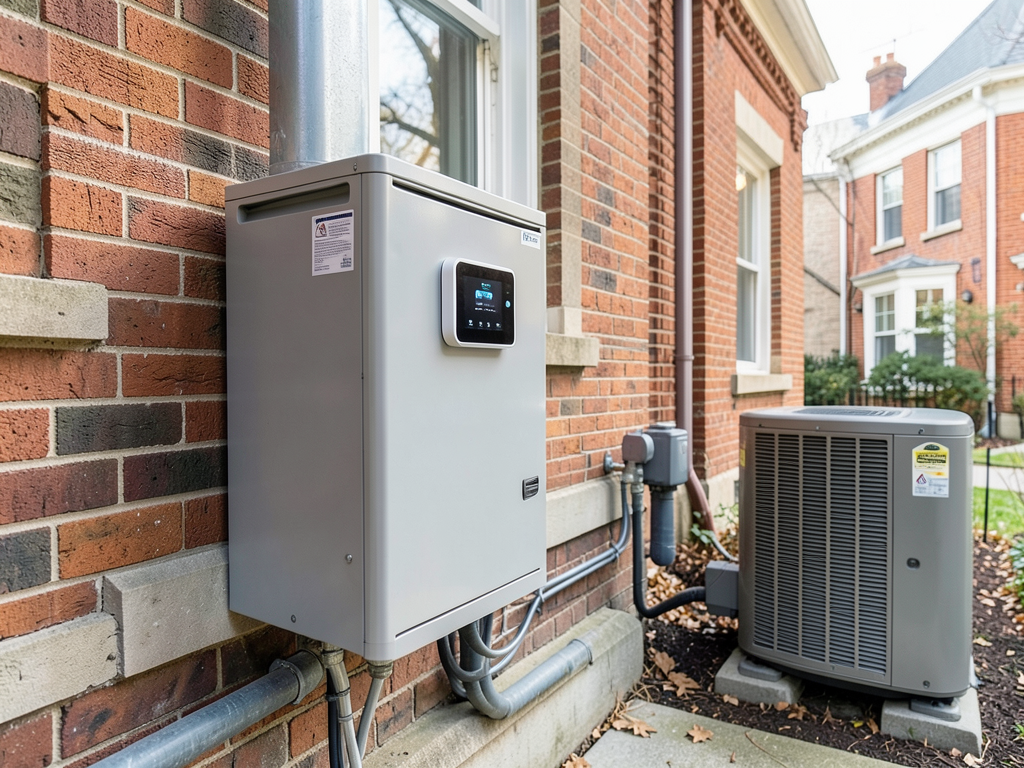
The deep frost line in Minneapolis requires exterior condensers to be installed on frost-resistant pads with proper clearance from snow accumulation. Local building codes mandate specific setbacks from property lines and elevation requirements to prevent snow drift blockage. Many Northeast Minneapolis homes have narrow side yards where condenser placement becomes critical for both function and code compliance.
Smart HVAC Technology for Remote Host Management
Modern smart thermostats offer features specifically designed for property managers. Remote temperature limits prevent guests from setting your system below 55°F in winter or above 78°F in summer. Geofencing automatically adjusts temperatures when no one is present, saving energy between bookings.. Read more about Choosing Between 80% and 96% Efficiency Furnaces for Your First Minneapolis Home.
Integration with property management platforms allows you to monitor multiple units from one dashboard. You’ll get alerts for filter changes, system errors, and unusual runtime patterns that might indicate guest misuse or mechanical problems. Some systems even track energy usage by individual unit, helping you identify which properties are costing you the most.. Read more about Replacing Vertical Fan Coil Units in Loring Park Condos.
Essential Maintenance Schedules for High-Turnover Properties
Airbnb properties need more frequent maintenance than owner-occupied homes. The constant cycling between different guest preferences wears out components faster. A quarterly maintenance schedule catches problems before they cause guest complaints.
Spring maintenance includes cleaning condenser coils, checking refrigerant levels, and testing condensate drains for clogs. Fall service focuses on heat exchanger inspection, burner cleaning, and carbon monoxide testing. Between guest stays, air filters should be checked and replaced if needed – dirty filters reduce efficiency by up to 15%. How Much a New High Efficiency Furnace Really Costs in Minneapolis.
Local HVAC contractors familiar with Minneapolis rental properties understand the urgency of same-day service calls. When a guest reports no heat at 8 PM in January, you need a company that can respond within hours, not days.. Read more about The Hidden Dangers of HVAC Rental Contracts and Equipment Leasing in Minnesota.
Budget vs. Performance: Choosing the Right System for Your STR Investment
High-efficiency systems cost more upfront but save money through lower utility bills and fewer repairs. A 96% efficient furnace might cost $1,500 more than an 80% model, but utility rebates and monthly savings often pay back the difference within 2-3 years. Finding an AC Repair Team in Edina That Actually Shows Up on Time.
Heat pump systems work well in Minneapolis when paired with a gas furnace backup. Modern cold-climate heat pumps can extract heat from air as cold as -10°F, but having a gas furnace ensures comfort during the coldest weeks. This hybrid approach qualifies for both federal tax credits and local utility rebates. Switching to a Cold Climate Heat Pump in Minnesota (Is It Worth It?).
Noise levels matter in older Northeast Minneapolis homes where bedrooms might be near mechanical rooms. Look for systems with sound ratings below 70 decibels for indoor units and proper vibration isolation to prevent guest complaints about humming or rattling.
Indoor Air Quality and Guest Health Considerations
Multiple guests mean multiple sources of dust, pet dander, and allergens. HEPA filtration systems remove 99.97% of particles, improving air quality for sensitive guests and reducing cleaning between stays. UV light systems installed in ductwork kill bacteria and mold spores that can cause musty odors.
Humidity control prevents both mold growth and static electricity complaints. In Minneapolis summers, dehumidification settings keep indoor humidity between 40-50%, preventing that sticky feeling guests associate with poor air quality. Winter humidification prevents dry air that causes nosebleeds and static shocks.
Emergency Protocols That Protect Your Ratings
Have a written emergency plan before problems occur. This includes contact information for 24/7 HVAC service, backup portable heaters for winter emergencies, and clear instructions for guests on what to do if the system fails.
Many Minneapolis HVAC companies offer priority service for rental property owners. These plans guarantee same-day response during business hours and next-day service after hours. The cost is typically $200-300 annually but pays for itself when you avoid a single $500 emergency service call during peak season.. Read more about Keeping Your Home Warm During a Power Outage with HVAC Backup Power in Shoreview.
Consider installing low-temperature alarms that send text alerts when indoor temperatures drop below 60°F. These give you time to call for service before pipes freeze and damage occurs.
Local Rebates and Incentives for Rental Property Upgrades
Xcel Energy offers rebates up to $600 for high-efficiency furnaces and $500 for air conditioners meeting specific SEER2 requirements. CenterPoint Energy provides additional rebates for natural gas equipment. These programs change annually, so check current offerings before purchasing.
Federal tax credits for energy-efficient HVAC equipment can cover 30% of qualified expenses up to $2,000. These apply to heat pumps, high-efficiency furnaces, and smart thermostats with energy monitoring capabilities.
Minneapolis offers expedited permitting for rental property HVAC upgrades, often processing applications within 24-48 hours. This speeds up installation timelines when you need to replace equipment between guest bookings.
Installation Considerations for Northeast Minneapolis Homes
Many Northeast Minneapolis homes were built before 1940 and have unique HVAC challenges. Original ductwork may be too small for modern high-efficiency systems, requiring modifications. Some homes lack central air conditioning entirely, making mini-split systems an attractive upgrade option.
Boiler systems common in older Minneapolis homes can be converted to high-efficiency models that use existing radiators. This preserves the historic character while dramatically improving efficiency and reliability. New high-efficiency boilers vent through PVC pipes rather than chimneys, eliminating draft issues. Fixing Old Boilers in Historic South Minneapolis Homes.
Attic installations require proper insulation and vapor barriers to prevent condensation problems. Minneapolis code requires specific R-values for attic insulation, and adding HVAC equipment may trigger additional insulation requirements.
Case Study: Northeast Minneapolis Host Reduces Costs by 40%
A host with three Northeast Minneapolis properties replaced aging HVAC systems with high-efficiency heat pump/furnace hybrids. Annual utility costs dropped from $3,200 to $1,920, while guest complaints about temperature issues decreased by 85%. The $12,000 investment paid for itself in 18 months through utility savings and avoided emergency repairs.
The host also installed smart thermostats with remote lockout features, preventing guests from setting extreme temperatures. This alone saved an estimated $400 annually in utility costs across all properties.
Making the Right Choice for Your Property
Start with a professional HVAC assessment of your current system. A qualified technician can identify efficiency problems, code compliance issues, and upgrade opportunities specific to your property’s age and construction.
Consider your guest demographics. Properties hosting families with children might need zoning to keep different areas at different temperatures. Business traveler-focused rentals benefit from quiet operation and reliable remote management features.
Factor in your management style. If you handle bookings yourself, smart thermostat apps let you adjust settings between stays. If you use a property manager, choose systems with simple interfaces and reliable customer support.
Frequently Asked Questions
What HVAC system lasts longest in Minneapolis rental properties?
High-quality furnaces with proper maintenance typically last 15-20 years in Minneapolis. Heat pumps may need replacement every 12-15 years due to constant use. Regular professional maintenance doubles equipment lifespan compared to neglected systems.
How much should I budget for HVAC maintenance annually?
Budget $200-400 per system annually for professional maintenance, plus $100-200 for filters and minor repairs. Properties with heavy use might spend $500-600 annually but avoid the $2,000-5,000 emergency replacement costs that come from neglect.
Can I install a smart thermostat myself?
Most smart thermostats install easily if you have a standard system. However, older Minneapolis homes with boiler systems or complex zoning may require professional installation to ensure proper wiring and compatibility with existing equipment.
What’s the minimum SEER rating I should consider?
For Minneapolis, choose air conditioners with SEER2 ratings of 16 or higher. Furnaces should have AFUE ratings of 90% or above. These efficiency levels qualify for utility rebates and provide the best return on investment in our climate.
How do I handle HVAC emergencies during guest stays?
Have a 24/7 HVAC service on call, keep portable heaters available for winter emergencies, and maintain clear communication with guests about timelines. Most guests appreciate transparency and quick response over temporary discomfort.
Protect Your Investment with Professional HVAC Service
Your Northeast Minneapolis Airbnb deserves HVAC equipment that can handle constant use through Minnesota’s toughest seasons. Don’t wait for a guest complaint to discover your system can’t keep up. A professional assessment identifies problems before they impact your ratings and revenue.
Call (651) 588-9677 today to schedule your rental property HVAC evaluation. Our technicians understand the unique demands of short-term rental properties and can recommend systems that protect your investment while keeping guests comfortable year-round.
Don’t let HVAC problems cost you Superhost status. Pick up the phone and call (651) 588-9677 before the next polar vortex hits. Your guests will thank you, and your bottom line will show the difference.