
How to Stop Your AC Unit from Rattling the Walls of Your Stillwater Home
Your AC unit should hum quietly in the background not shake your walls like a bass drum at a rock concert. If you hear rattling or feel vibrations through your Stillwater home walls you’re dealing with a common but fixable problem. The good news is most AC vibration issues come from simple causes like loose parts or unbalanced fan blades. Some require a quick DIY fix while others need professional attention to prevent bigger damage.
Quick Diagnosis: Matching the Sound to the Problem
Before grabbing your tools you need to identify what type of noise your AC makes. Different sounds point to different problems. A rattling noise usually means loose components while a thumping sound often indicates fan balance issues. A humming vibration might signal electrical problems. Here’s how to match what you hear to what’s wrong.
| Sound Type | Likely Cause | DIY Fix? | Call Pro? |
|---|---|---|---|
| Rattling | Loose screws panels or debris | Yes | Maybe |
| Thumping | Unbalanced fan blades or motor mounts | No | Yes |
| Humming vibration | Electrical issues or compressor problems | No | Yes |
| Clicking | Contactor or relay issues | No | Yes |
Common Causes of AC Vibration in Minnesota Homes
Minnesota’s extreme weather creates unique challenges for AC units. Our humid summers cause metal components to expand and contract more than in milder climates. The freeze-thaw cycles common in Stillwater can shift the ground under your condenser pad leading to misalignment. Local cottonwood trees release fluffy seeds in early summer that can clog fan blades and create imbalance. Switching to a Cold Climate Heat Pump in Minnesota (Is It Worth It?).
Many Stillwater homes have AC units mounted on exterior walls near bedrooms. This placement makes even minor vibrations feel much louder inside. The vibration travels through wall studs and can disrupt sleep or create annoying background noise throughout your home.
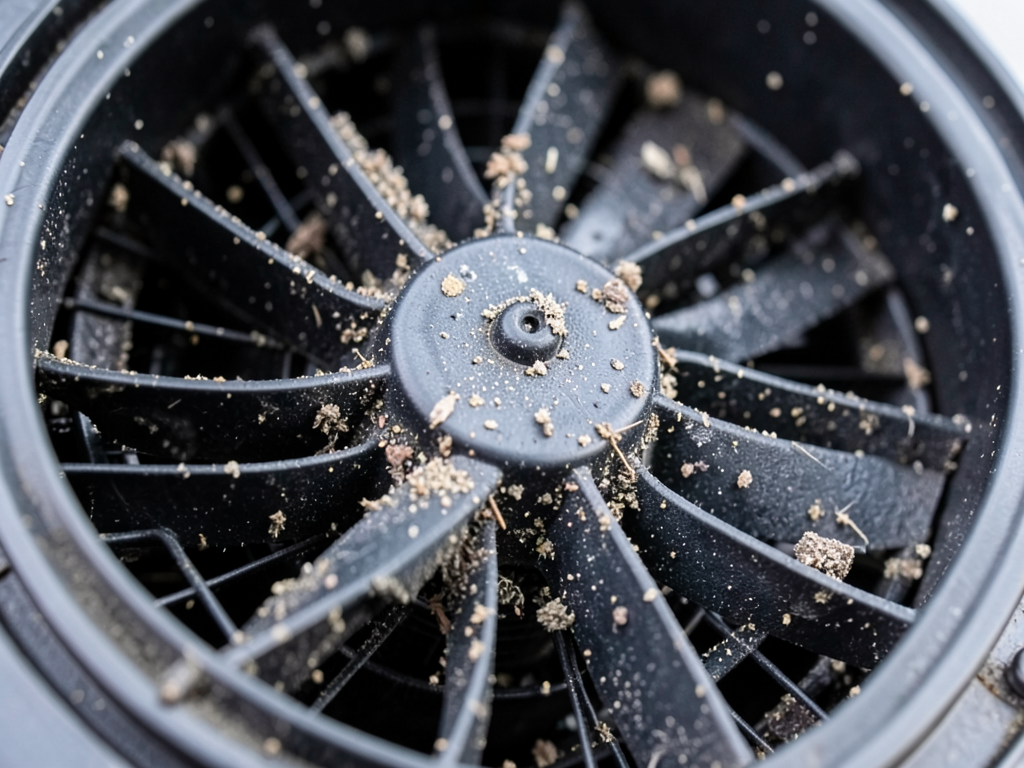
Unbalanced Fan Blades
When fan blades collect debris or become bent they create an uneven rotation. This imbalance causes the entire unit to vibrate. You might notice the vibration changes with fan speed or stops when the AC cycles off. This is one of the most common causes of rattling in Minnesota AC units.
Loose Mounting Hardware
Over time vibration loosens the bolts that secure your AC unit to its pad or wall brackets. Once these fasteners become loose the entire unit can shift slightly creating metal-on-metal contact that produces rattling sounds. This is especially common in units that are 5 years or older.
Compressor Mounting Issues
The compressor sits on rubber isolation feet that absorb vibration. When these rubber mounts deteriorate they lose their ability to dampen vibration. The compressor then transmits its movement directly to the unit frame and your home’s structure.
DIY Fixes vs. Professional Repair
Some AC vibration problems you can fix yourself while others require professional tools and expertise. Here’s how to tell the difference and what you can safely attempt.
- Safety First
Turn off power to your AC unit at the breaker box before any inspection. Minnesota’s electrical code requires this step for all DIY HVAC work. Wait 30 minutes for capacitors to discharge.
- Clean and Inspect
Remove debris leaves and cottonwood seeds from around and inside the unit. Check for visible damage to fan blades or housing. Look for loose screws or panels that might rattle.
- Check Level
Place a level on your condenser pad. If it’s off level by more than 1/4 inch this can cause vibration. Minnesota frost heave often shifts pads over winter.
- Tighten Hardware
Using the correct wrench size tighten all visible bolts and screws. Don’t overtighten as this can strip threads or crack mounting brackets.
- Test Run
After cleaning and tightening restore power and run the AC for 10 minutes. Listen for changes in the vibration pattern.
When to Call a Professional
Call All Pro HVAC at (651) 588-9677 if you notice any of these warning signs:
- Vibration that continues after cleaning and tightening
- Grinding or scraping sounds
- Vibration that causes visible movement in the unit
- AC performance issues like weak airflow or warm air
- Electrical burning smells
The Cost of Ignoring Vibration Noises
That annoying rattle isn’t just keeping you awake. Left unchecked AC vibration can cause serious damage. A loose fan blade can destroy the motor housing. Vibrating refrigerant lines can develop leaks. Electrical connections can loosen and create fire hazards.
Installing anti-vibration pads costs around $100 to $200. Replacing a damaged compressor costs $1500 to $2500. The math is simple. A small investment now prevents a major expense later. Weak Airflow from Vents.
Minnesota’s humid climate also means your AC works harder than in drier regions. This extra workload makes vibration problems worsen faster. What starts as a minor rattle in June can become a major failure by August during peak cooling season.
Schedule a Diagnostic in the Twin Cities
Don’t let AC vibration damage your Stillwater home or ruin your sleep. All Pro HVAC serves Minneapolis St Paul and surrounding suburbs including Bloomington Edina and Crystal. Our NATE-certified technicians carry the tools and parts to fix vibration issues the first time. NATE-certified technicians.
We understand Minnesota’s unique climate challenges and how they affect your AC system. Our diagnostic process includes checking for frost heave damage inspecting electrical components and testing vibration isolation systems. We provide clear explanations of what we find and upfront pricing before any work begins.
Call (651) 588-9677 today to schedule your AC vibration inspection. We offer same-day service for urgent cases and weekend appointments for your convenience. Don’t wait until that rattle becomes a breakdown. Fast AC Service for North Loop Condos and Lofts.
Frequently Asked Questions
Why does my AC only rattle at certain times?
AC vibration often changes with temperature and humidity. Metal components expand in heat creating more clearance for parts to rattle. High humidity also makes the system work harder increasing vibration. Some units only rattle when specific components like the fan or compressor cycle on.
Can AC vibration damage my walls?
Yes. Prolonged vibration can loosen wall anchors crack drywall and even shift window frames over time. The vibration frequency matters more than the noise level. Low-frequency vibrations travel through building materials more easily than high-pitched rattles.
How long should an AC unit last in Minnesota?
With proper maintenance most AC units last 15 to 20 years in Minnesota. Our extreme temperature swings and humidity shorten lifespan compared to milder climates. Units that receive annual maintenance and vibration inspections often last 3 to 5 years longer than neglected systems.
Is it safe to run my AC if it’s rattling?
Minor rattling from loose panels is usually safe short-term but should be fixed soon. Loud or worsening vibration indicates a problem that could cause immediate damage. Turn off the unit if you notice grinding sounds burning smells or visible movement.
What’s the difference between rattling and humming?
Rattling is typically mechanical like loose parts hitting each other. Humming is usually electrical or related to motor operation. Both can indicate problems but rattling is more likely to cause immediate damage through vibration transmission to your home.
Stillwater homeowners trust All Pro HVAC for reliable AC repair and maintenance. Our team understands the unique challenges of Minnesota’s climate and how to keep your system running quietly and efficiently. Whether you need a simple tightening or a complete vibration analysis we have the expertise to solve your AC noise problems. Finding an AC Repair Team in Edina That Actually Shows Up on Time.
Remember that vibration is your AC’s way of telling you something’s wrong. Don’t ignore it. Call (651) 588-9677 and let our experienced technicians restore peace and quiet to your Stillwater home. For more information, visit Minneapolis St Paul.
You may also find this helpful. Soundproofing an Outdoor AC Unit for Small Backyards in Prospect Park.
{
“@context”: “https://schema.org”,
“@type”: “BlogPosting”,
“headline”: “How to Stop Your AC Unit from Rattling the Walls of Your Stillwater Home”,
“description”: “Stop AC vibration from rattling your Stillwater home walls. Learn DIY fixes vs. pro repair for noisy AC units in Minnesota’s climate. Call (651) 588-9677.”,
“wordCount”: 1289,
“datePublished”: “2026-06-02T15:51:00.000Z”,
“dateModified”: “2026-06-02T15:51:00.000Z”,
“inLanguage”: “en-US”,
“mainEntityOfPage”: {
“@type”: “WebPage”,
“@id”: “https://allprohvacminneapolis.com”
},
“publisher”: {
“@type”: “LocalBusiness”,
“name”: “All Pro HVAC Minneapolis”,
“url”: “https://allprohvacminneapolis.com”
},
“author”: {
“@type”: “Organization”,
“name”: “All Pro HVAC Minneapolis”,
“url”: “https://allprohvacminneapolis.com”
},
“image”: {
“@type”: “ImageObject”,
“url”: “https://allprohvacminneapolis.com/wp-content/uploads/2026/03/how-to-stop-your-ac-unit-from-rattling-the-walls-o-1.png”
}
}
{
“@context”: “https://schema.org”,
“@type”: “HVACBusiness”,
“name”: “All Pro HVAC Minneapolis”,
“url”: “https://allprohvacminneapolis.com”,
“address”: {
“@type”: “PostalAddress”,
“addressLocality”: “Minneapolis”
},
“areaServed”: {
“@type”: “City”,
“name”: “Minneapolis”
}
}
{
“@context”: “https://schema.org”,
“@type”: “FAQPage”,
“mainEntity”: [
{
“@type”: “Question”,
“name”: “Why does my AC only rattle at certain times?”,
“acceptedAnswer”: {
“@type”: “Answer”,
“text”: “AC vibration often changes with temperature and humidity. Metal components expand in heat creating more clearance for parts to rattle. High humidity also makes the system work harder increasing vibration. Some units only rattle when specific components like the fan or compressor cycle on.”
}
},
{
“@type”: “Question”,
“name”: “Can AC vibration damage my walls?”,
“acceptedAnswer”: {
“@type”: “Answer”,
“text”: “Yes. Prolonged vibration can loosen wall anchors crack drywall and even shift window frames over time. The vibration frequency matters more than the noise level. Low-frequency vibrations travel through building materials more easily than high-pitched rattles.”
}
},
{
“@type”: “Question”,
“name”: “How long should an AC unit last in Minnesota?”,
“acceptedAnswer”: {
“@type”: “Answer”,
“text”: “With proper maintenance most AC units last 15 to 20 years in Minnesota. Our extreme temperature swings and humidity shorten lifespan compared to milder climates. Units that receive annual maintenance and vibration inspections often last 3 to 5 years longer than neglected systems.”
}
},
{
“@type”: “Question”,
“name”: “Is it safe to run my AC if it’s rattling?”,
“acceptedAnswer”: {
“@type”: “Answer”,
“text”: “Minor rattling from loose panels is usually safe short-term but should be fixed soon. Loud or worsening vibration indicates a problem that could cause immediate damage. Turn off the unit if you notice grinding sounds burning smells or visible movement.”
}
},
{
“@type”: “Question”,
“name”: “What’s the difference between rattling and humming?”,
“acceptedAnswer”: {
“@type”: “Answer”,
“text”: “Rattling is typically mechanical like loose parts hitting each other. Humming is usually electrical or related to motor operation. Both can indicate problems but rattling is more likely to cause immediate damage through vibration transmission to your home.”
}
}
]
}
{
“@context”: “https://schema.org”,
“@type”: “HowTo”,
“name”: “How to Stop AC Vibration”,
“step”: [
{
“@type”: “HowToStep”,
“position”: 1,
“name”: “Safety First”,
“text”: “Turn off power to your AC unit at the breaker box before any inspection. Minnesota’s electrical code requires this step for all DIY HVAC work. Wait 30 minutes for capacitors to discharge.”
},
{
“@type”: “HowToStep”,
“position”: 2,
“name”: “Clean and Inspect”,
“text”: “Remove debris leaves and cottonwood seeds from around and inside the unit. Check for visible damage to fan blades or housing. Look for loose screws or panels that might rattle.”
},
{
“@type”: “HowToStep”,
“position”: 3,
“name”: “Check Level”,
“text”: “Place a level on your condenser pad. If it’s off level by more than 1/4 inch this can cause vibration. Minnesota frost heave often shifts pads over winter.”
},
{
“@type”: “HowToStep”,
“position”: 4,
“name”: “Tighten Hardware”,
“text”: “Using the correct wrench size tighten all visible bolts and screws. Don’t overtighten as this can strip threads or crack mounting brackets.”
},
{
“@type”: “HowToStep”,
“position”: 5,
“name”: “Test Run”,
“text”: “After cleaning and tightening restore power and run the AC for 10 minutes. Listen for changes in the vibration pattern.”
}
],
“image”: “https://allprohvacminneapolis.com/wp-content/uploads/2026/03/how-to-stop-your-ac-unit-from-rattling-the-walls-o-1.png”
}
{
“@context”: “https://schema.org”,
“@type”: “BreadcrumbList”,
“itemListElement”: [
{
“@type”: “ListItem”,
“position”: 1,
“name”: “Home”,
“item”: “https://allprohvacminneapolis.com”
},
{
“@type”: “ListItem”,
“position”: 2,
“name”: “Blog”,
“item”: “https://allprohvacminneapolis.com/blog”
},
{
“@type”: “ListItem”,
“position”: 3,
“name”: “How to Stop Your AC Unit from Rattling the Walls of Your Stillwater Home”
}
]
}
{
“@context”: “https://schema.org”,
“@type”: “Service”,
“serviceType”: “HVAC”,
“provider”: {
“@type”: “LocalBusiness”,
“name”: “All Pro HVAC Minneapolis”,
“url”: “https://allprohvacminneapolis.com”
},
“areaServed”: {
“@type”: “City”,
“name”: “Minneapolis”
},
“description”: “Stop AC vibration from rattling your Stillwater home walls. Learn DIY fixes vs. pro repair for noisy AC units in Minnesota’s climate. Call (651) 588-9677.”
}