
How Your St. Paul Pets are Secretly Impacting Your HVAC System Performance
Your furry friends bring joy to your St. Paul home but they are also creating hidden problems for your heating and cooling system. Pet dander fur and even the oils from their skin circulate through your HVAC system every time it runs. In Minnesota’s tightly sealed winter homes this buildup can reduce airflow stress your equipment and degrade your indoor air quality faster than you might expect. Weak Airflow from Vents.
Minneapolis homeowners with pets face unique challenges during our long heating season. When windows stay closed for months dander and fur get trapped inside cycling through your ductwork and settling on critical components. This creates a perfect storm for reduced efficiency and potential system failures. How Much a New High Efficiency Furnace Really Costs in Minneapolis.
The Silent Impact of Pets on Twin Cities HVAC Systems
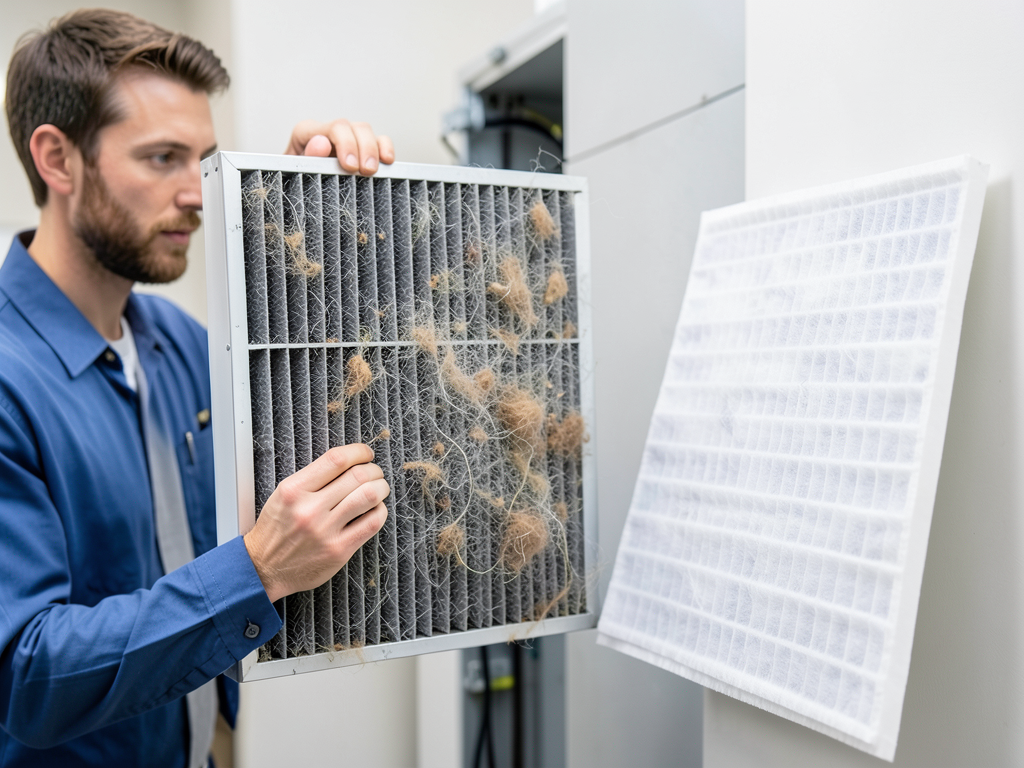
Pet hair and dander act like a fine filter that traps dust and other particles. As this mixture builds up on your evaporator coil it creates an insulating layer that prevents proper heat transfer. Your system has to work harder to achieve the same comfort level which means higher energy bills and increased wear on components.
The problem compounds in older St. Paul homes with original ductwork. Many of these systems were not designed to handle the constant influx of pet debris that modern households experience. The result is reduced airflow from clogged filters and potentially frozen evaporator coils during peak cooling season.
Outdoor units face their own challenges. Dog urine contains ammonia which can corrode aluminum condenser coils over time. This corrosion creates tiny holes that allow refrigerant to escape reducing cooling capacity and potentially leading to complete system failure.
Essential Maintenance Checklist for Pet Households
Pet owners in St. Paul should follow a more aggressive maintenance schedule than typical households. The extreme temperature swings between our sub-zero winters and humid summers mean your system runs nearly year-round creating constant circulation of pet-related debris.
- Monthly Filter Inspection
Check your air filter every 30 days instead of the standard 90 day recommendation. Hold it up to a light source. If you cannot see light through the filter it needs replacement even if you have only had it for a few weeks.
- Coil Cleaning Schedule
Schedule professional evaporator coil cleaning twice yearly. Pet hair creates a felt-like mat on the coil surface that standard filter changes cannot address. This buildup reduces cooling efficiency by up to 30 percent.
- Condenser Protection
Install a decorative fence or barrier around your outdoor unit if you have dogs. Keep it at least 24 inches from the unit to maintain proper airflow while preventing direct contact with corrosive urine.
- Duct Inspection
Have your ductwork inspected annually for pet hair accumulation. Supply and return ducts in pet households often contain visible fur buildup that restricts airflow and recirculates allergens.
During Minnesota’s spring shedding season you may need to replace filters every 2-3 weeks rather than monthly. The combination of seasonal pet shedding and spring pollen creates an especially heavy load on your filtration system.
MERV Ratings: Which Filter is Right for Your Breed
Choosing the right filter for your St. Paul home depends on your pet situation and your HVAC system’s capabilities. Higher MERV ratings capture smaller particles but also restrict airflow more than lower rated filters.
| Filter Type | Pet Hair Capture | Airflow Impact | Recommended For |
|---|---|---|---|
| MERV 8 | Large particles only | Minimal | Single pet households |
| MERV 11 | Most pet dander | Moderate | Multi-pet homes |
| MERV 13 | Microscopic allergens | Significant | Severe allergy sufferers |
Most St. Paul HVAC systems can handle MERV 11 filters without significant performance loss. These filters capture 85 percent of particles between 3.0 and 10.0 microns which includes most pet dander while maintaining adequate airflow for Minnesota’s heating demands.
If you have multiple pets or family members with allergies consider MERV 13 filters. These capture particles as small as 0.3 microns including bacteria and smoke but may require more frequent replacement to prevent airflow restriction.
Improving Indoor Air Quality Beyond the Filter
Filters alone cannot solve all pet-related air quality issues in your St. Paul home. The EPA recommends a multi-layered approach to indoor air quality especially in homes with pets and the tightly sealed construction common in Minnesota. EPA indoor air quality guidelines.
UV light systems installed in your ductwork can neutralize pet odors and reduce airborne bacteria. These systems use ultraviolet radiation to break down organic compounds that cause pet smells. They work continuously to clean the air as it passes through your HVAC system.
Whole-house humidifiers help manage pet-related static electricity which attracts hair and dander to surfaces. Minnesota’s dry winter air exacerbates this problem. Maintaining proper humidity levels between 30 and 50 percent reduces static and makes cleaning more effective.
Consider an air scrubber system for severe allergy cases. These devices use advanced oxidation to eliminate pet odors VOCs and other airborne contaminants. They can reduce pet-related allergens by up to 90 percent in some cases.
Local Seasonal Considerations
St. Paul pet owners face unique seasonal challenges that affect HVAC performance. Our climate creates specific patterns of pet-related system stress that require targeted maintenance approaches. Switching to a Cold Climate Heat Pump in Minnesota (Is It Worth It?).
Spring brings the dual challenge of pet shedding season and pollen release. This combination can overwhelm standard filters in weeks rather than months. Many St. Paul veterinarians report that pets shed more heavily in Minnesota due to our extreme seasonal changes triggering natural coat cycles.
Summer humidity affects how pet dander behaves in your home. High moisture levels cause dander to clump and settle more quickly on surfaces but also make it more likely to become airborne when disturbed. This creates a cycle of constant recirculation through your AC system.
Fall brings another shedding cycle as pets prepare their winter coats. This coincides with the first use of heating systems which can stir up accumulated summer debris. Many St. Paul HVAC technicians report a 30 percent increase in service calls during early October related to this seasonal transition. Fast AC Service for North Loop Condos and Lofts.
Winter presents the biggest challenge as homes stay sealed for months. Pet dander accumulates continuously with no opportunity for natural ventilation. This creates the highest concentration of airborne allergens during the months when people spend the most time indoors.
Safety Hazards and Pet-Proofing Your System
Beyond performance issues pets can create safety hazards around your HVAC equipment. Exposed wires and open floor vents pose risks to curious animals and can lead to expensive repairs. Finding an AC Repair Team in Edina That Actually Shows Up on Time.
Floor vents can trap small paws or become chew toys for puppies. Cover these with heavy-duty vent covers that allow airflow but prevent access. This simple step can prevent costly duct damage and protect your pets from injury.
Thermostat placement matters in pet households. Dogs can accidentally change settings by leaning against wall-mounted thermostats. Consider a locking thermostat cover or relocating the unit to a less accessible location.
Outdoor units need protection from both pets and the elements. Minnesota’s freeze-thaw cycles can create gaps in unit housing that trap small animals. Regular inspection of the outdoor cabinet can prevent both animal intrusion and weather-related damage.
Professional Solutions for Pet Households
Sometimes DIY maintenance is not enough for homes with multiple pets or allergy sufferers. Professional HVAC services offer solutions specifically designed for pet-related challenges.
Duct cleaning becomes essential when you can see pet hair blowing from supply vents. Professional cleaning removes accumulated debris from your entire duct system not just what catches in the filter. Most St. Paul homes with pets benefit from professional duct cleaning every 2-3 years rather than the standard 5-year recommendation.
Coil coating services apply a protective layer to your evaporator coil that makes it harder for pet hair and dander to stick. This coating can extend the time between professional cleanings by up to 50 percent while maintaining system efficiency.
Whole-house air quality assessments can identify specific problem areas in your home. These assessments measure particle counts in different rooms and can recommend targeted solutions for your particular pet situation and home layout.
Upgrading to a variable-speed blower motor can help manage pet-related air quality issues. These motors run at lower speeds continuously rather than cycling on and off. This constant air movement helps filter pet dander more effectively throughout the day.
Frequently Asked Questions
How often should I change my HVAC filter with pets?
Most St. Paul pet owners need to change filters every 30-45 days instead of the standard 90 days. Homes with multiple pets or heavy shedders may need monthly changes especially during spring and fall shedding seasons.
Can pet hair damage my AC condenser?
Pet hair itself does not damage condensers but dog urine can corrode aluminum coils over time. The ammonia in urine creates small holes that cause refrigerant leaks. Install a protective barrier around outdoor units if you have dogs.
What MERV rating is best for pet dander?
MERV 11 filters offer the best balance for most St. Paul pet households. They capture 85 percent of pet dander while maintaining adequate airflow for Minnesota’s heating systems. MERV 13 provides better filtration but may restrict airflow in older systems.
How do I know if pet hair is clogging my ducts?
Signs include visible pet hair blowing from vents reduced airflow from registers and increased dust accumulation on furniture. If you notice these issues especially during shedding season your ducts likely need professional cleaning.
Does UV light help with pet odors?
Yes UV light systems can significantly reduce pet odors by neutralizing the bacteria and organic compounds that cause smells. They work continuously in your ductwork to clean the air as it circulates through your HVAC system.
Should I upgrade my HVAC system for better pet filtration?
Consider upgrading if you have multiple pets severe allergies or an older system. Variable-speed systems and advanced filtration options can dramatically improve air quality for pet households but consult an HVAC professional to ensure compatibility with your home.
Pet ownership in St. Paul requires extra attention to your HVAC system but the effort pays off in better air quality lower energy bills and a more comfortable home. The extreme Minnesota climate means your system works harder than in most parts of the country making proper maintenance even more critical.
Most pet-related HVAC issues develop gradually so you might not notice the decline in performance until it becomes a major problem. Regular maintenance and awareness of seasonal challenges can prevent costly repairs and keep your system running efficiently year-round.
Call (651) 588-9677 today to schedule your inspection. Our technicians understand the unique challenges St. Paul pet owners face and can recommend solutions specific to your home and situation. Do not wait until your system fails during a polar vortex or heat wave.
Pick up the phone and call (651) 588-9677 before the next storm hits. Your pets your family and your HVAC system will thank you. For more information, visit ASHRAE HVAC standards.
{
“@context”: “https://schema.org”,
“@type”: “BlogPosting”,
“headline”: “How Your St. Paul Pets are Secretly Impacting Your HVAC System Performance”,
“description”: “Learn how pet dander and fur are affecting your St. Paul HVAC system and what local pet owners can do to improve air quality and system efficiency.”,
“wordCount”: 1854,
“datePublished”: “2026-05-24T11:21:00.000Z”,
“dateModified”: “2026-05-24T11:21:00.000Z”,
“inLanguage”: “en-US”,
“mainEntityOfPage”: {
“@type”: “WebPage”,
“@id”: “https://allprohvacminneapolis.com”
},
“publisher”: {
“@type”: “LocalBusiness”,
“name”: “All Pro HVAC Minneapolis”,
“url”: “https://allprohvacminneapolis.com”
},
“author”: {
“@type”: “Organization”,
“name”: “All Pro HVAC Minneapolis”,
“url”: “https://allprohvacminneapolis.com”
},
“image”: {
“@type”: “ImageObject”,
“url”: “https://allprohvacminneapolis.com/wp-content/uploads/2026/03/how-your-st-paul-pets-are-secretly-impacting-your-1.png”
}
}
{
“@context”: “https://schema.org”,
“@type”: “HVACBusiness”,
“name”: “All Pro HVAC Minneapolis”,
“url”: “https://allprohvacminneapolis.com”,
“address”: {
“@type”: “PostalAddress”,
“addressLocality”: “Minneapolis”
},
“areaServed”: {
“@type”: “City”,
“name”: “Minneapolis”
}
}
{
“@context”: “https://schema.org”,
“@type”: “FAQPage”,
“mainEntity”: [
{
“@type”: “Question”,
“name”: “How often should I change my HVAC filter with pets?”,
“acceptedAnswer”: {
“@type”: “Answer”,
“text”: “Most St. Paul pet owners need to change filters every 30-45 days instead of the standard 90 days. Homes with multiple pets or heavy shedders may need monthly changes especially during spring and fall shedding seasons.”
}
},
{
“@type”: “Question”,
“name”: “Can pet hair damage my AC condenser?”,
“acceptedAnswer”: {
“@type”: “Answer”,
“text”: “Pet hair itself does not damage condensers but dog urine can corrode aluminum coils over time. The ammonia in urine creates small holes that cause refrigerant leaks. Install a protective barrier around outdoor units if you have dogs.”
}
},
{
“@type”: “Question”,
“name”: “What MERV rating is best for pet dander?”,
“acceptedAnswer”: {
“@type”: “Answer”,
“text”: “MERV 11 filters offer the best balance for most St. Paul pet households. They capture 85 percent of pet dander while maintaining adequate airflow for Minnesota’s heating systems. MERV 13 provides better filtration but may restrict airflow in older systems.”
}
},
{
“@type”: “Question”,
“name”: “How do I know if pet hair is clogging my ducts?”,
“acceptedAnswer”: {
“@type”: “Answer”,
“text”: “Signs include visible pet hair blowing from vents reduced airflow from registers and increased dust accumulation on furniture. If you notice these issues especially during shedding season your ducts likely need professional cleaning.”
}
},
{
“@type”: “Question”,
“name”: “Does UV light help with pet odors?”,
“acceptedAnswer”: {
“@type”: “Answer”,
“text”: “Yes UV light systems can significantly reduce pet odors by neutralizing the bacteria and organic compounds that cause smells. They work continuously in your ductwork to clean the air as it circulates through your HVAC system.”
}
},
{
“@type”: “Question”,
“name”: “Should I upgrade my HVAC system for better pet filtration?”,
“acceptedAnswer”: {
“@type”: “Answer”,
“text”: “Consider upgrading if you have multiple pets severe allergies or an older system. Variable-speed systems and advanced filtration options can dramatically improve air quality for pet households but consult an HVAC professional to ensure compatibility with your home.”
}
}
]
}
{
“@context”: “https://schema.org”,
“@type”: “HowTo”,
“name”: “Pet Owner HVAC Maintenance Steps”,
“step”: [
{
“@type”: “HowToStep”,
“position”: 1,
“name”: “Monthly Filter Inspection”,
“text”: “Check your air filter every 30 days instead of the standard 90 day recommendation. Hold it up to a light source. If you cannot see light through the filter it needs replacement even if you have only had it for a few weeks.”
},
{
“@type”: “HowToStep”,
“position”: 2,
“name”: “Coil Cleaning Schedule”,
“text”: “Schedule professional evaporator coil cleaning twice yearly. Pet hair creates a felt-like mat on the coil surface that standard filter changes cannot address. This buildup reduces cooling efficiency by up to 30 percent.”
},
{
“@type”: “HowToStep”,
“position”: 3,
“name”: “Condenser Protection”,
“text”: “Install a decorative fence or barrier around your outdoor unit if you have dogs. Keep it at least 24 inches from the unit to maintain proper airflow while preventing direct contact with corrosive urine.”
},
{
“@type”: “HowToStep”,
“position”: 4,
“name”: “Duct Inspection”,
“text”: “Have your ductwork inspected annually for pet hair accumulation. Supply and return ducts in pet households often contain visible fur buildup that restricts airflow and recirculates allergens.”
}
],
“image”: “https://allprohvacminneapolis.com/wp-content/uploads/2026/03/how-your-st-paul-pets-are-secretly-impacting-your-1.png”
}
{
“@context”: “https://schema.org”,
“@type”: “BreadcrumbList”,
“itemListElement”: [
{
“@type”: “ListItem”,
“position”: 1,
“name”: “Home”,
“item”: “https://allprohvacminneapolis.com”
},
{
“@type”: “ListItem”,
“position”: 2,
“name”: “Blog”,
“item”: “https://allprohvacminneapolis.com/blog”
},
{
“@type”: “ListItem”,
“position”: 3,
“name”: “How Your St. Paul Pets are Secretly Impacting Your HVAC System Performance”
}
]
}
{
“@context”: “https://schema.org”,
“@type”: “Service”,
“serviceType”: “HVAC”,
“provider”: {
“@type”: “LocalBusiness”,
“name”: “All Pro HVAC Minneapolis”,
“url”: “https://allprohvacminneapolis.com”
},
“areaServed”: {
“@type”: “City”,
“name”: “Minneapolis”
},
“description”: “Learn how pet dander and fur are affecting your St. Paul HVAC system and what local pet owners can do to improve air quality and system efficiency.”
}