
Finding the Hidden Energy Leaks That Make Your Highland Park Cooling Bills Skyrocket
Your AC runs constantly but your Xcel Energy bill keeps climbing. You are not imagining it. Highland Park homes face unique cooling challenges that drain your wallet without you even knowing it. Xcel Energy rebates.
The combination of Minneapolis humidity levels often exceeding 70% in July and aging housing stock built before modern insulation standards creates the perfect storm for energy waste. Your system works overtime just to keep up with the moisture load while hidden leaks let that expensive cool air escape. Minneapolis building codes.
Before you resign yourself to another $300+ electric bill this month call (651) 588-9677 for a professional energy audit. The fixes are often simple once you know where to look.
Why Highland Park Homes Are Energy Leaking Hotspots
Highland Park developed rapidly in the early 1900s with charming craftsman bungalows and Tudor-style homes. These beautiful houses were built before air conditioning existed and before energy efficiency mattered. How Much a New High Efficiency Furnace Really Costs in Minneapolis.
Many Highland Park homes have original single-pane windows balloon-frame construction and minimal attic insulation. The area sits on clay soil that expands and contracts with moisture changes creating gaps around foundations and sill plates. Add in the cottonwood seed season from late May through July and your outdoor condenser unit can become a clogged mess reducing efficiency by up to 30%.
Minneapolis building codes now require R-49 attic insulation for new construction but most Highland Park homes have R-11 or less. That means your cooled air escapes through the ceiling while hot attic air radiates down into your living space.
The Hidden Culprits Driving Up Your Cooling Costs
Refrigerant Leaks Are More Common Than You Think
Low refrigerant levels force your AC to run longer cycles. A system missing just 10% of its charge can increase energy consumption by 20% according to EPA testing data. The hissing sound near your indoor coil or ice buildup on refrigerant lines are telltale signs. EPA energy efficiency standards.
Dirty Condenser Coils Cut Efficiency in Half
Your outdoor unit sits exposed to Minneapolis elements. Cottonwood seeds grass clippings and dust create an insulating blanket on the coils. A simple cleaning can restore lost efficiency immediately. The coils should feel cool to the touch when the system runs properly not warm or hot.
Ductwork Leaks Waste Half Your Cool Air
Minneapolis homes often have ductwork in unconditioned basements or crawl spaces. Small leaks at joints or tears in flexible duct can lose 20-40% of your conditioned air before it reaches your rooms. You might feel weak airflow or notice certain rooms stay warm while others overcool. Weak Airflow from Vents.
Thermostat Location Tricks Your System
Many Highland Park homes have thermostats near kitchens or in hallways that catch indirect sunlight. This causes short cycling where the system turns on and off rapidly wasting energy. Smart thermostats with remote sensors solve this problem by averaging temperatures throughout your home.
Minneapolis Humidity Makes Your AC Work Twice as Hard
Air conditioning does two jobs: cooling and dehumidification. When relative humidity hits 70% your AC runs longer just to remove moisture from the air. The process requires significant energy.
Standard AC units remove about 1-2 pints of water per hour. In a humid Highland Park summer your system might remove 3-4 pints hourly just to maintain comfort. This extra work shows up on your electric bill.
Whole-home dehumidifiers can reduce AC runtime by 15-25% by handling the moisture load separately. They use less energy than forcing your AC to overwork.
Quick DIY Checks Before Calling for Service
Before scheduling a professional visit check these common issues yourself:
- Replace your air filter if light barely passes through it
- Clear 2 feet of vegetation around your outdoor unit
- Check for ice buildup on refrigerant lines
- Close blinds on south-facing windows during peak afternoon hours
- Set your thermostat to 78°F instead of 72°F for 8 hours daily
These simple steps can reduce your cooling costs by 10-15% immediately.
When to Call a Professional HVAC Technician
Some problems require expert diagnosis. Call (651) 588-9677 if you notice:
- Energy bills spiking 30% or more year over year
- AC running constantly but never reaching set temperature
- Strange noises from the outdoor unit or indoor air handler
- Warm air blowing from vents when AC is on
- Musty odors when the system runs
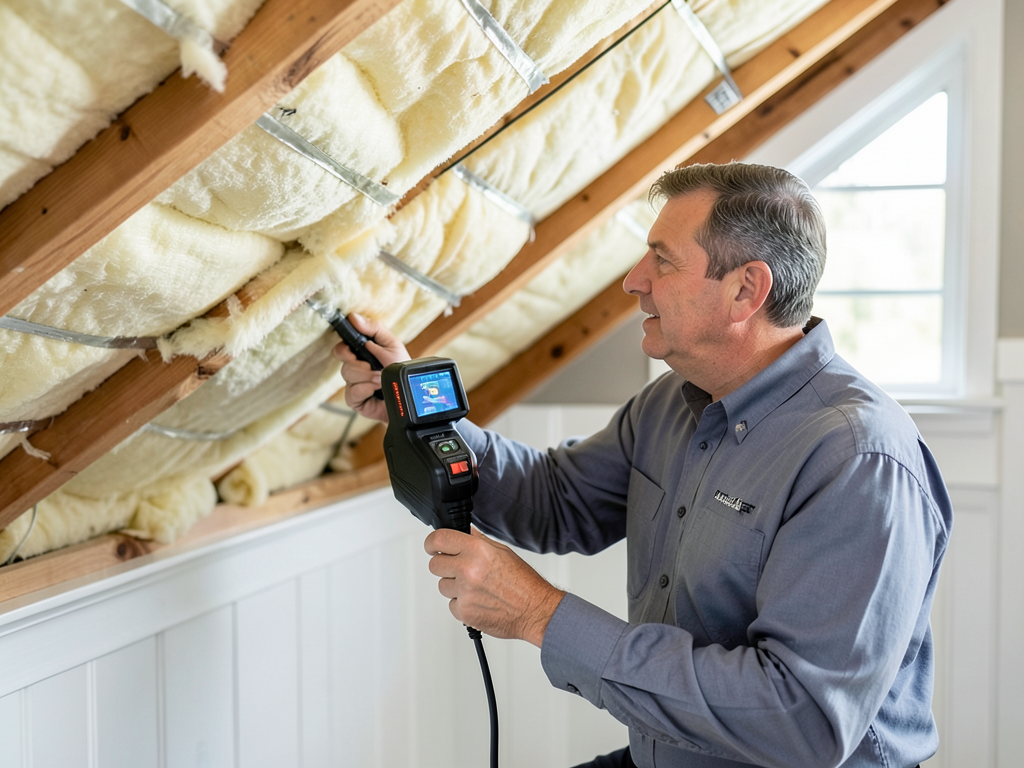
Professional technicians use specialized tools like refrigerant leak detectors thermal imaging cameras and airflow meters to find problems you cannot see.
Energy Efficiency Solutions That Actually Work
SEER2 Ratings Matter More Than Ever
New AC units must meet SEER2 standards which are about 5% more efficient than old SEER ratings. A 16 SEER2 unit uses significantly less electricity than a 10 SEER unit from the 1990s. The efficiency gain alone can offset the cost of replacement over time.
Smart Thermostats Pay for Themselves
Programmable thermostats reduce cooling costs by 10-15% by automatically adjusting temperatures when you are asleep or away. Many utility companies including Xcel Energy offer rebates of $50-100 for smart thermostat installation.
Attic Insulation Is Your Best Investment
Adding R-38 insulation to your attic costs $1500-2500 but can reduce cooling costs by 20-30%. The payback period is typically 2-3 summers in Minnesota. This is especially important for Highland Park homes with original insulation from the 1920s-1940s.
Understanding Your Xcel Energy Bill
Xcel Energy uses tiered pricing where electricity costs more during peak afternoon hours typically 2-7 PM on weekdays. Running your dishwasher laundry and other major appliances during off-peak times can save 10-20% on your bill.
The utility also offers Time-of-Use rates that charge less for electricity used overnight and on weekends. If you can shift some AC usage to cooler nighttime hours you might save significantly.
Check your bill for the kWh usage history. A sudden jump in usage without a corresponding weather change often indicates an AC problem.
Local Rebates and Incentives
CenterPoint Energy and Xcel Energy both offer rebates for high-efficiency AC installations. These programs change annually but typically provide $200-600 for qualifying systems.
The Minnesota Clean Energy Resource Teams also offers low-interest financing for energy efficiency improvements including HVAC upgrades. Some Highland Park homeowners qualify for additional incentives through the city of Saint Paul climate action programs. Switching to a Cold Climate Heat Pump in Minnesota (Is It Worth It?).
Preventative Maintenance Pays Off
Annual AC tune-ups catch small problems before they become expensive repairs. A typical maintenance visit includes: Finding an AC Repair Team in Edina That Actually Shows Up on Time.
- Refrigerant level check and adjustment
- Coil cleaning and inspection
- Electrical connection tightening
- Capacitor testing
- Thermostat calibration
Regular maintenance can extend your AC lifespan by 3-5 years and prevent 70% of midsummer breakdowns.
Comparing Repair vs Replacement Costs
| Issue | Typical Repair Cost | Replacement Consideration | Energy Savings Potential |
|---|---|---|---|
| Refrigerant leak repair | $250-600 | Replace if system is over 12 years old | 10-15% per year |
| Capacitor replacement | $150-300 | Usually worth repairing | Minimal |
| Compressor failure | $1200-2500 | Replace if system is over 10 years old | 20-30% per year |
| Complete system replacement | $4000-8000 | Consider if current unit is inefficient | 30-40% per year |
Frequently Asked Questions
Why is my AC running constantly but not cooling well?
Constant running with poor cooling usually indicates low refrigerant levels dirty coils or ductwork leaks. Your system cannot remove enough heat to reach the set temperature so it runs continuously trying to catch up.
How often should I replace my AC air filter?
Replace standard 1-inch filters every 30-60 days during cooling season. If you have pets allergies or live near construction areas change them every 30 days. Clean filters improve airflow and reduce energy consumption by up to 15%.
Can I clean my AC coils myself?
You can rinse outdoor coils with a garden hose but avoid pressure washers which can bend the fins. Indoor evaporator coils require professional cleaning to avoid damaging sensitive components. Professional coil cleaning costs $100-200 but can restore 10-20% efficiency.
What temperature should I set my thermostat in summer?
The Department of Energy recommends 78°F when you are home and 85°F when away. Each degree below 78°F increases energy consumption by 3-5%. Smart thermostats can automatically adjust these settings to save energy without sacrificing comfort.
Take Action Before Your Next Bill Arrives
Highland Park cooling bills do not have to drain your bank account. Most energy waste comes from fixable problems that a professional can diagnose in under an hour.
Stop guessing and start saving. Call (651) 588-9677 today to schedule your comprehensive cooling system inspection. We will find the hidden leaks making your bills skyrocket and show you exactly how to fix them.
Do not wait until your system breaks down on the hottest day of the year. Early detection prevents expensive emergency repairs and keeps your family comfortable all summer long.
Pick up the phone now and call (651) 588-9677. Your wallet and your AC will thank you.