
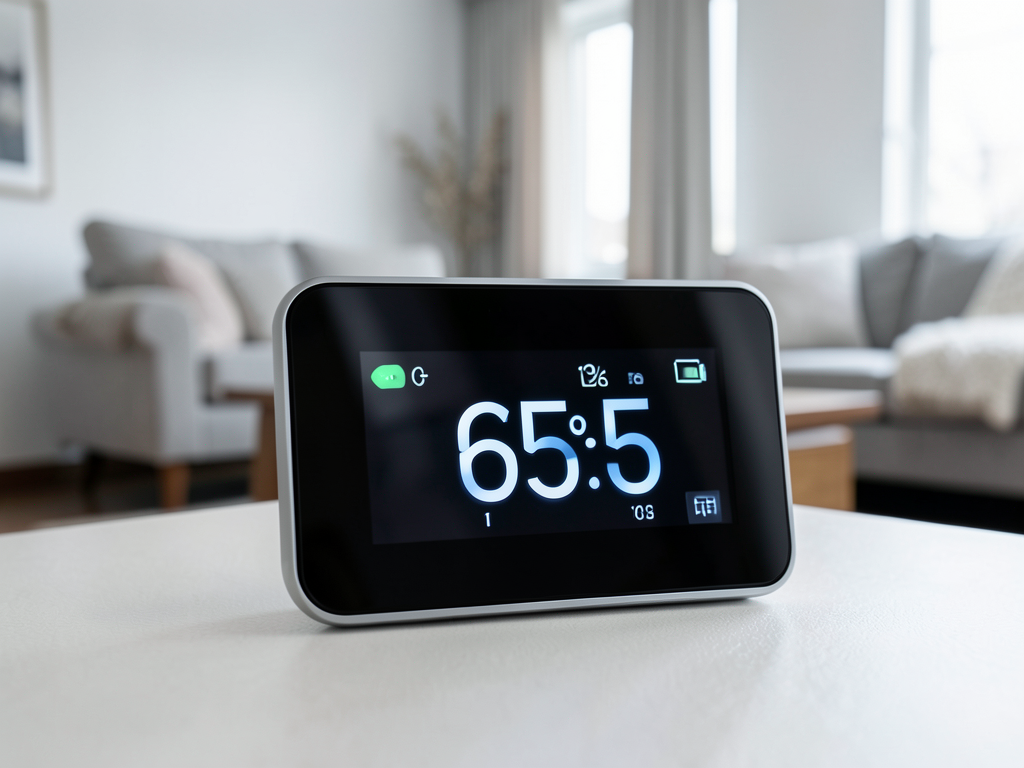
What Your Landlord in Dinkytown Is Legally Required to Provide for Heating
Living in Dinkytown means you have specific legal protections when it comes to heating your apartment. Minneapolis law requires landlords to maintain indoor temperatures at a minimum of 68 degrees Fahrenheit from September 15 through May 15 each year. This is not a suggestion. It is a legal requirement under the Minneapolis Code of Ordinances Title 12, Chapter 244. Minneapolis 311.
If your apartment feels cold and you are not sure what your rights are this guide explains exactly what your landlord must provide and what you can do if they fail to meet these standards.
The Minneapolis Heating Code (Title 12, Chapter 244)
The Minneapolis Code of Ordinances establishes heating requirements that apply to all rental properties in the city. Under Section 244.430 landlords must provide heat capable of maintaining at least 68 degrees Fahrenheit in all habitable rooms. This measurement is taken three feet above the floor in the center of the room.
The heating season runs from September 15 to May 15. During this period your landlord cannot let the temperature drop below the legal minimum even if you have not yet turned on your heat or if you think you can manage with extra blankets.
Minneapolis inspectors use calibrated thermometers to verify compliance. If your apartment measures below 68 degrees during the heating season the city can issue a violation notice to your landlord.
Minimum Temperature Requirements
The 68 degree standard is measured at a specific height and location. Inspectors place the thermometer three feet above the floor in the center of the main living area. This eliminates cold pockets near windows or drafts from exterior doors.
Your landlord must provide a heating system capable of maintaining this temperature throughout the entire apartment. This means the system must be properly sized for the square footage and the building envelope must be reasonably sealed against drafts.
If your apartment has radiators or baseboard heaters the system must be balanced so all rooms receive adequate heat. A landlord cannot provide adequate heat to the living room but leave bedrooms cold.
Timeline for Landlord Repairs
When your heating system fails completely the timeline for repairs depends on the severity of the problem. A total furnace or boiler failure during freezing weather is considered an emergency repair. Finding an AC Repair Team in Edina That Actually Shows Up on Time.
Under Minnesota Statute 504B.161 landlords must make emergency repairs within 24 hours if the failure creates an immediate health or safety hazard. Loss of heat during winter qualifies as an emergency.
For non emergency issues like a malfunctioning thermostat or a single room that runs cold landlords have a reasonable time to make repairs. What is reasonable depends on the circumstances but generally should not exceed 48 to 72 hours.
If your landlord fails to make emergency repairs within 24 hours you can take additional steps including contacting the city or arranging emergency repairs yourself and deducting the cost from your rent.
Steps to Take if Your Apartment is Cold
If your apartment feels cold start with these steps before escalating the situation. First check your thermostat settings and batteries. A simple battery replacement can solve the problem.
Next verify that your circuit breakers have not tripped. Electric furnaces and boilers have dedicated circuits that can trip during power surges. How Much a New High Efficiency Furnace Really Costs in Minneapolis.
If basic troubleshooting does not work notify your landlord in writing. Send a text message or email so you have documentation of your request. State the specific problem and ask for repairs within 24 hours.
If your landlord does not respond within the required timeframe call Minneapolis 311. The city can dispatch an inspector to measure the temperature and issue a violation if necessary.
Document everything with photos of your thermostat showing the temperature and any visible heating system issues. Keep copies of all communications with your landlord.
When to Call an Emergency HVAC Technician
Sometimes you need to call a technician before your landlord responds. This is appropriate when you smell gas hear unusual noises from your furnace or see visible damage to heating equipment.
A red tagged furnace indicates a dangerous condition that requires immediate shutdown. If your furnace has a red tag do not operate it and notify your landlord immediately.
Carbon monoxide detectors are required in all Minneapolis rental units. If your detector sounds evacuate immediately and call 911. This is a life threatening emergency.
Professional HVAC technicians can diagnose problems that landlords might miss. A technician can check for cracked heat exchangers blocked vents or failed ignition systems that could leave you without heat. Weak Airflow from Vents.
Key Resources and Contacts
Minneapolis 311 is your first point of contact for heating complaints. Call 311 or use the mobile app to report violations. The city will send an inspector within 24 to 48 hours.
HOME Line Minnesota provides free legal advice to tenants. They can help you understand your rights and the proper steps for rent escrow or repair and deduct remedies. HOME Line Minnesota.
The Minneapolis Health Department enforces heating codes. If 311 cannot resolve your issue the Health Department can issue citations and fines to non compliant landlords.
For emergency heating repairs call (651) 588-9677. Licensed HVAC technicians can respond 24/7 to restore heat to your apartment.
Understanding Your Rights as a Tenant
Minnesota law gives tenants specific remedies when landlords fail to provide required services. Under the Emergency Tenant Remedy Action you can arrange emergency repairs and deduct the cost from your rent. Fast AC Service for North Loop Condos and Lofts.
Rent escrow allows you to pay your rent into an escrow account instead of to your landlord while heating problems remain unresolved. This protects you from eviction while ensuring your landlord addresses the issue.
You cannot withhold rent without following proper procedures. Always notify your landlord in writing and give them a reasonable opportunity to make repairs before taking legal action.
Document all communications and keep copies of repair estimates and receipts. This documentation is essential if you need to go to court.
Common Heating System Failures in Dinkytown Apartments
Dinkytown apartments often have older heating systems that require specific expertise. Many buildings have steam or hot water boilers that need regular maintenance to operate safely. Fixing Old Boilers in Historic South Minneapolis Homes.
Common failures include failed thermocouples in gas furnaces malfunctioning circulator pumps in boiler systems and blocked air filters that restrict airflow.
Steam systems can develop air locks that prevent heat from reaching upper floors. This is common in older Dinkytown buildings with radiator systems.
Electric furnaces can fail due to tripped breakers or failed heating elements. These systems require different troubleshooting than gas systems.
Space Heaters and Supplemental Heating
Landlords cannot require tenants to use space heaters as the primary heat source. Space heaters are for supplemental heating only and must meet specific safety standards.
Under Minneapolis codes space heaters cannot be the only heat source in any room. Your landlord must provide a permanent heating system capable of maintaining 68 degrees.
If your apartment relies on space heaters for primary heat this is a code violation. Contact 311 to report this condition.
Electric space heaters can overload circuits in older buildings. Never use extension cords with space heaters and keep them away from flammable materials.
Carbon Monoxide Safety in Rental Units
Carbon monoxide detectors are mandatory in all Minneapolis rental units. Your landlord must provide working detectors within ten feet of every sleeping area.
Test your carbon monoxide detectors monthly by pressing the test button. Replace batteries annually and replace the entire unit every five to seven years.
Symptoms of carbon monoxide poisoning include headache dizziness nausea and confusion. If multiple people in your apartment experience these symptoms evacuate immediately and call 911.
Never block or disable a carbon monoxide detector. This is illegal and extremely dangerous.
Maintenance Responsibilities
Your landlord must maintain the heating system in safe working condition. This includes annual inspections cleaning and necessary repairs.
You are responsible for keeping air vents and radiators clear of furniture and debris. Blocked vents reduce heating efficiency and can cause system damage.
Change furnace filters regularly if your system uses them. A dirty filter reduces airflow and can cause the system to overheat.
Report any unusual noises smells or performance issues to your landlord immediately. Early reporting can prevent costly breakdowns.
Emergency vs. Non Emergency Repairs
Emergency repairs include total loss of heat gas leaks visible damage to heating equipment and carbon monoxide alarms. These require 24 hour response.
Non emergency repairs include malfunctioning thermostats noisy operation or uneven heating. These typically require 48 to 72 hour response.
If you are unsure whether your situation qualifies as an emergency err on the side of caution and report it immediately.
Keep emergency contact numbers for your landlord and a licensed HVAC contractor readily available.
Documentation and Evidence
Document all heating issues with dated photos of your thermostat and any visible system problems. Keep copies of all communications with your landlord.
Write down the dates and times when you notified your landlord about heating problems. Note any promises made and whether they were kept.
If you use a thermometer to document temperatures record the readings at different times of day. This can help establish patterns of inadequate heating.
Keep all repair receipts and invoices if you arrange emergency repairs yourself. These documents are essential for rent escrow or deduction from rent.
Legal Protections for Tenants
Minnesota law protects tenants from retaliation when they exercise their legal rights. Your landlord cannot raise your rent or threaten eviction because you reported heating problems.
If your landlord retaliates document the retaliation and contact HOME Line Minnesota for legal assistance.
You have the right to a safe and habitable living environment including adequate heat during the heating season.
Understanding your rights helps you advocate effectively for yourself and your neighbors.
Energy Efficiency and Modern Heating Systems
Modern high efficiency furnaces and boilers can reduce energy costs while providing more reliable heat. If your landlord is considering system upgrades ask about energy efficient options.
Energy efficient systems often qualify for utility rebates that can offset the cost of replacement. Xcel Energy and CenterPoint Energy offer rebates for qualifying equipment.
Proper insulation and air sealing complement efficient heating systems. Ask your landlord about weatherization improvements that can reduce heating costs.
Smart thermostats can improve comfort and reduce energy waste but they cannot compensate for an undersized or malfunctioning heating system.
Resources for Low Income Tenants
The Energy Assistance Program provides financial help for heating costs to qualifying low income households. Contact your county human services office for application information.
Weatherization assistance programs can help improve your apartment’s energy efficiency at no cost to you or your landlord.
Community action agencies often provide emergency heating assistance during extreme cold weather.
Do not suffer in a cold apartment due to financial hardship. Help is available.
Frequently Asked Questions
What temperature must my landlord maintain in my apartment?
Your landlord must maintain at least 68 degrees Fahrenheit in all habitable rooms from September 15 to May 15 according to Minneapolis Code of Ordinances Section 244.430.
How long does my landlord have to fix my heat?
For total loss of heat during freezing weather landlords must make emergency repairs within 24 hours. For non emergency issues they have a reasonable time up to 48 to 72 hours.
Can I withhold rent if my landlord does not fix my heat?
You cannot simply withhold rent. You must follow proper legal procedures including written notice and opportunity for repairs. Contact HOME Line Minnesota for guidance on rent escrow or repair and deduct remedies.
Who do I call if my landlord ignores my heating complaints?
First call Minneapolis 311 to report the violation. If the city cannot resolve the issue contact HOME Line Minnesota for legal assistance. For emergency repairs call (651) 588-9677.
Are space heaters legal in rental units?
Space heaters are legal for supplemental heating but cannot be the only heat source in any room. Your landlord must provide a permanent heating system capable of maintaining 68 degrees.