
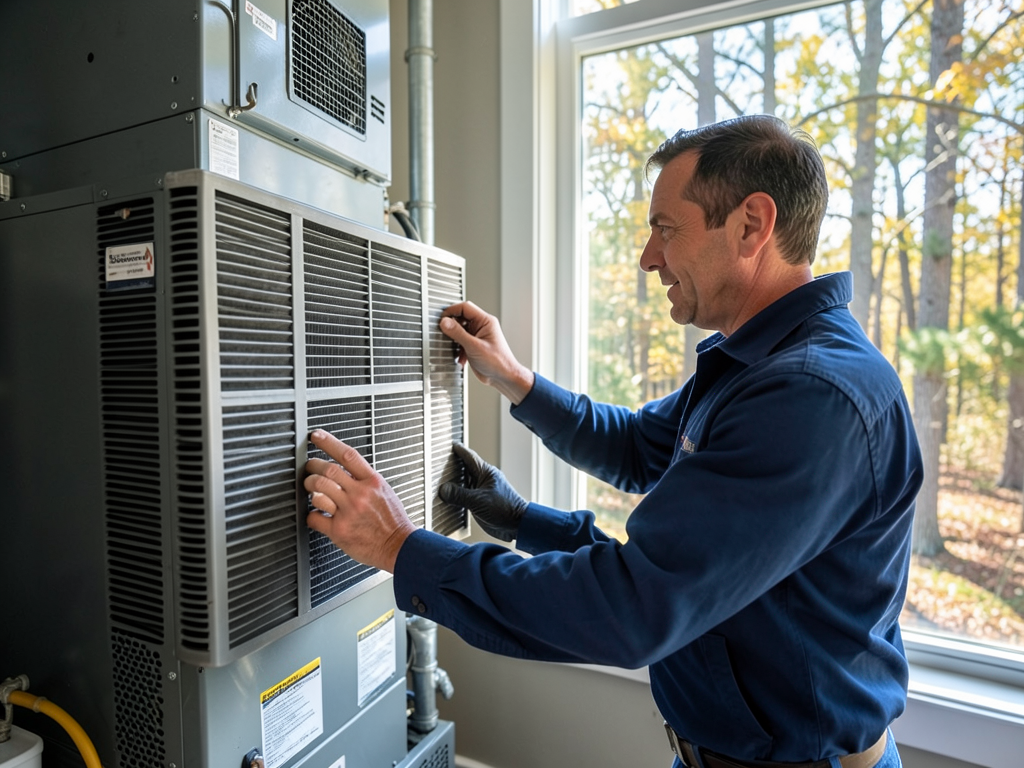
When to Change Your Air Filter During the High Pollen Season in Shorewood
Spring in Shorewood brings blooming trees and fresh air but also a surge in pollen that can overwhelm your home’s HVAC system. If you or your family suffer from seasonal allergies the timing of your air filter changes becomes critical. Most homeowners wait until the filter looks dirty but by then allergens have already circulated through your home for days. In Shorewood’s dense tree canopy areas like near Westwood Park and the Minnetonka Country Club pollen counts can spike dramatically making proactive filter management essential.
The first 100 words of advice: Replace your standard 1-inch filter every 30 days during peak pollen months April through June. For high-efficiency pleated filters rated MERV 11 or higher extend to 60-90 days but monitor closely. The goal is to capture microscopic allergens before they trigger symptoms and before they force your HVAC system to work harder than necessary. How Much a New High Efficiency Furnace Really Costs in Minneapolis.
Understanding Shorewood’s Unique Pollen Profile
Shorewood sits along the shores of Lake Minnetonka surrounded by mature oak maple and birch trees. These species produce different types of pollen at slightly different times creating a rolling pollen season that can last from early April through late June. Oak pollen typically peaks in mid-May while birch follows shortly after. The lake effect also means morning dew can trap pollen near ground level making it more likely to enter your home through open doors and windows.
According to the Minnesota Department of Health the western Twin Cities suburbs including Shorewood consistently rank among the highest pollen count areas in the state. This makes standard filter schedules inadequate. You need to track local conditions and adjust your replacement timing accordingly. Minnesota Department of Health.
Standard vs. High-Efficiency Filters for Allergy Relief
Standard fiberglass filters capture only the largest particles and allow most pollen and mold spores to pass through. These filters typically rate MERV 4 to 6 on the Minimum Efficiency Reporting Value scale. While they protect your HVAC equipment they do little for indoor air quality.
High-efficiency pleated filters rated MERV 11 to 13 can capture particles as small as 1 to 3 microns including most pollen grains and some mold spores. However these denser filters also restrict airflow more than standard filters. This creates a trade-off: better allergen capture versus potential strain on your blower motor. Weak Airflow from Vents.
For Shorewood homes with older HVAC systems a MERV 11 filter often provides the best balance. It captures about 85 to 90 percent of airborne allergens while maintaining adequate airflow. Homes with newer high-efficiency systems can safely use MERV 13 filters for maximum protection.
The Hidden Cost of Delayed Filter Changes
When a filter becomes clogged your HVAC system must work harder to pull air through. This increased static pressure reduces efficiency and can lead to several problems. The blower motor may overheat. Energy consumption increases by 5 to 15 percent. Most critically for allergy sufferers the reduced airflow means less air passes through the filter allowing more allergens to bypass the system entirely.
In Shorewood’s climate where air conditioning runs frequently from late spring through early fall this strain accumulates quickly. A filter that looks only slightly dirty on the surface may already be restricting airflow by 30 to 40 percent internally. This is why visual inspection alone is unreliable. Switching to a Cold Climate Heat Pump in Minnesota (Is It Worth It?).
Creating a Shorewood-Specific Filter Schedule
Instead of changing filters on a rigid calendar schedule monitor local pollen counts and your home’s specific conditions. The University of Minnesota tracks regional pollen data and provides daily forecasts. When counts exceed 7.0 grains per cubic meter you should plan a filter change within the week.
For homes with pets add 15 days to your standard schedule. Pet dander combines with pollen to create a denser particle load. Homes near wooded areas like the Westwood Nature Center or the Luce Line Trail may need changes every 20 to 25 days during peak season.
Here is a sample schedule for a typical Shorewood home with moderate allergies and no pets:
| Month | Pollen Season Phase | Filter Type | Change Interval |
|---|---|---|---|
| April | Early Tree Pollen | MERV 11 Pleated | Every 30 days |
| May | Peak Tree Pollen | MERV 11 Pleated | Every 20-25 days |
| June | Late Tree/Grass Pollen | MERV 11 Pleated | Every 30 days |
| July-September | Low Pollen | MERV 8 Standard | Every 60-90 days |
Beyond the Filter: Additional Allergy Protection Strategies
Even the best filter cannot eliminate all allergens. Combine your filter strategy with these additional steps. Keep windows closed during high pollen days especially in the morning when counts peak. Use a HEPA air purifier in bedrooms for eight hours of protected sleep. Shower and change clothes after spending time outdoors to avoid bringing pollen inside.
For Shorewood homes with basements monitor for mold growth which often accompanies pollen season due to increased humidity. A dehumidifier set to 45 to 50 percent relative humidity prevents mold while making your home less hospitable to dust mites.
Professional HVAC Maintenance During Allergy Season
Annual professional maintenance becomes even more important during high pollen seasons. A technician can measure your system’s static pressure to determine if your filter is causing excessive restriction. They can also clean the evaporator coil and blower assembly where pollen and dust accumulate.
Consider scheduling maintenance in early April before pollen peaks. This ensures your system operates at peak efficiency when you need it most. During service ask the technician to check for any gaps or leaks in your ductwork which can allow unfiltered air to bypass your system entirely. Fast AC Service for North Loop Condos and Lofts.
Common Mistakes Shorewood Homeowners Make
One frequent error is installing a filter with a MERV rating too high for the system. While MERV 17 HEPA filters capture nearly all particles they restrict airflow so severely that most residential furnaces cannot handle them without modification. This can lead to frozen coils short cycling and even system failure.
Another mistake is ignoring the filter size. A filter that is too small allows air to flow around the edges unfiltered. Always verify your filter dimensions and ensure a snug fit. Finally do not reuse disposable filters. Washing them damages the media and reduces effectiveness.
Emergency Situations: When to Call a Professional
If you notice weak airflow from vents even with a clean filter your system may have deeper issues. This could indicate a failing blower motor or blocked evaporator coil. Musty odors when running the AC suggest mold growth in the system. Both situations require professional diagnosis.
During severe allergy episodes you might consider a whole-home air cleaner installation. These systems use polarized media or electronic precipitation to capture particles as small as 0.3 microns with minimal airflow restriction. While more expensive than standard filters they provide superior protection for severe allergy sufferers.
Cost Considerations for Shorewood Residents
High-quality MERV 11 pleated filters cost between $15 and $25 each compared to $5 to $8 for basic fiberglass filters. Over a six-month high pollen season this adds $45 to $75 in filter costs. However this investment often pays for itself through reduced allergy medication needs and lower HVAC repair costs. Finding an AC Repair Team in Edina That Actually Shows Up on Time.
If you choose to upgrade to a whole-home air cleaner expect installation costs between $800 and $1500 depending on system compatibility. Many Shorewood homes built in the 1970s through 1990s can accommodate these upgrades without major modifications.
Monitoring Your Success
After implementing a strategic filter schedule track your results. Note the frequency of allergy symptoms in your household. Monitor your energy bills for unexpected increases which might indicate system strain. If symptoms persist despite proper filtration you may need to address other sources like dust mites or pet dander.
Many homeowners report 30 to 50 percent reduction in allergy symptoms after optimizing their filter strategy. The key is consistency and choosing the right filter for your specific home and HVAC system.
Frequently Asked Questions
How do I know if my filter needs changing before the scheduled date?
Look for signs like visible dust buildup on vents increased allergy symptoms or weak airflow. You can also use a filter gauge which measures pressure drop across the filter and indicates when restriction becomes excessive.
Can I use washable filters during pollen season?
Washable filters typically rate MERV 1 to 4 making them ineffective for pollen. They also require thorough drying before reinstallation to prevent mold growth. For allergy season disposable high-efficiency filters provide superior protection.
Should I run my fan continuously during high pollen days?
Running the fan continuously can help filter air but also increases energy use. A better approach is to use a programmable thermostat with a fan cycle setting which runs the fan for 15 to 20 minutes every hour.
What if I forget to change my filter during peak season?
Set calendar reminders on your phone or subscribe to a filter delivery service that times shipments with your local pollen season. Some smart thermostats can also track filter life based on actual runtime.
Take Control of Your Indoor Air Quality Today
Pollen season in Shorewood does not have to mean months of allergy misery. By understanding your local pollen patterns choosing the right filter and maintaining a proactive replacement schedule you can significantly reduce allergens in your home. Remember that proper filtration protects both your family’s health and your HVAC investment.
Call (651) 588-9677 today to schedule your seasonal HVAC inspection. Our technicians can evaluate your current filtration setup recommend the optimal filter for your system and ensure your equipment is ready for the high pollen months ahead. Do not wait until symptoms flare up. Take action now and breathe easier all season long.
Ready to improve your home’s air quality? Pick up the phone and call (651) 588-9677 before the next pollen surge hits Shorewood. Our team is standing by to help you create a healthier more comfortable home environment. For more information, visit ASHRAE standards.
{
“@context”: “https://schema.org”,
“@type”: “BlogPosting”,
“headline”: “When to Change Your Air Filter During the High Pollen Season in Shorewood”,
“description”: “Learn the exact timing to replace your HVAC air filter during Shorewood’s peak pollen season to reduce allergens and protect your system from strain.”,
“wordCount”: 1685,
“datePublished”: “2026-05-23T14:31:00.000Z”,
“dateModified”: “2026-05-23T14:31:00.000Z”,
“inLanguage”: “en-US”,
“mainEntityOfPage”: {
“@type”: “WebPage”,
“@id”: “https://allprohvacminneapolis.com”
},
“publisher”: {
“@type”: “LocalBusiness”,
“name”: “All Pro HVAC Minneapolis”,
“url”: “https://allprohvacminneapolis.com”
},
“author”: {
“@type”: “Organization”,
“name”: “All Pro HVAC Minneapolis”,
“url”: “https://allprohvacminneapolis.com”
},
“image”: {
“@type”: “ImageObject”,
“url”: “https://allprohvacminneapolis.com/wp-content/uploads/2026/03/when-to-change-your-air-filter-during-the-high-pol-1.png”
}
}
{
“@context”: “https://schema.org”,
“@type”: “HVACBusiness”,
“name”: “All Pro HVAC Minneapolis”,
“url”: “https://allprohvacminneapolis.com”,
“address”: {
“@type”: “PostalAddress”,
“addressLocality”: “Minneapolis”
},
“areaServed”: {
“@type”: “City”,
“name”: “Minneapolis”
}
}
{
“@context”: “https://schema.org”,
“@type”: “FAQPage”,
“mainEntity”: [
{
“@type”: “Question”,
“name”: “How do I know if my filter needs changing before the scheduled date?”,
“acceptedAnswer”: {
“@type”: “Answer”,
“text”: “Look for signs like visible dust buildup on vents increased allergy symptoms or weak airflow. You can also use a filter gauge which measures pressure drop across the filter and indicates when restriction becomes excessive.”
}
},
{
“@type”: “Question”,
“name”: “Can I use washable filters during pollen season?”,
“acceptedAnswer”: {
“@type”: “Answer”,
“text”: “Washable filters typically rate MERV 1 to 4 making them ineffective for pollen. They also require thorough drying before reinstallation to prevent mold growth. For allergy season disposable high-efficiency filters provide superior protection.”
}
},
{
“@type”: “Question”,
“name”: “Should I run my fan continuously during high pollen days?”,
“acceptedAnswer”: {
“@type”: “Answer”,
“text”: “Running the fan continuously can help filter air but also increases energy use. A better approach is to use a programmable thermostat with a fan cycle setting which runs the fan for 15 to 20 minutes every hour.”
}
},
{
“@type”: “Question”,
“name”: “What if I forget to change my filter during peak season?”,
“acceptedAnswer”: {
“@type”: “Answer”,
“text”: “Set calendar reminders on your phone or subscribe to a filter delivery service that times shipments with your local pollen season. Some smart thermostats can also track filter life based on actual runtime.”
}
}
]
}
{
“@context”: “https://schema.org”,
“@type”: “BreadcrumbList”,
“itemListElement”: [
{
“@type”: “ListItem”,
“position”: 1,
“name”: “Home”,
“item”: “https://allprohvacminneapolis.com”
},
{
“@type”: “ListItem”,
“position”: 2,
“name”: “Blog”,
“item”: “https://allprohvacminneapolis.com/blog”
},
{
“@type”: “ListItem”,
“position”: 3,
“name”: “When to Change Your Air Filter During the High Pollen Season in Shorewood”
}
]
}
{
“@context”: “https://schema.org”,
“@type”: “Service”,
“serviceType”: “HVAC”,
“provider”: {
“@type”: “LocalBusiness”,
“name”: “All Pro HVAC Minneapolis”,
“url”: “https://allprohvacminneapolis.com”
},
“areaServed”: {
“@type”: “City”,
“name”: “Minneapolis”
},
“description”: “Learn the exact timing to replace your HVAC air filter during Shorewood’s peak pollen season to reduce allergens and protect your system from strain.”
}