
Deciding Between Electric and Gas Heat for Your Chanhassen Detached Garage
Choosing the right heating system for your detached garage in Chanhassen means balancing upfront costs, monthly utility bills, and performance during Minnesota’s extreme winters. Gas heaters deliver powerful heat quickly and cost less to operate during long cold spells. Electric units offer simpler installation and lower initial investment but can struggle when temperatures plummet below zero. This guide breaks down the technical differences, local utility rates, and installation requirements to help you make the best decision for your specific garage size and usage needs. Minnesota State Building Code.
Key Differences at a Glance
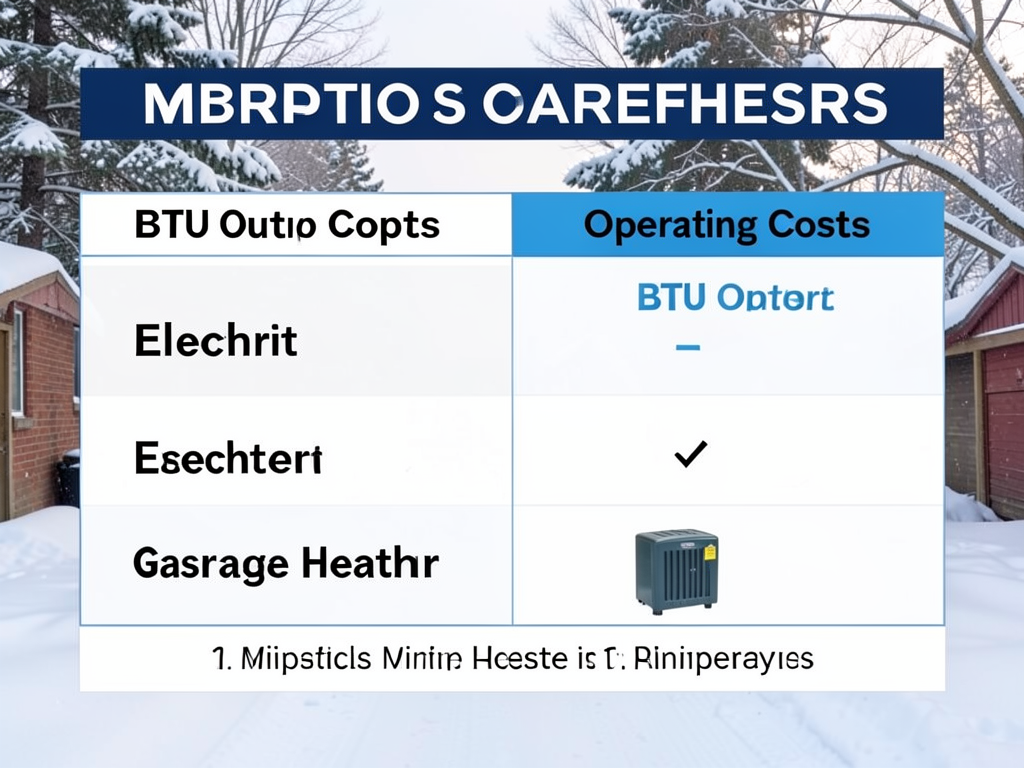
| Feature | Gas Heater | Electric Heater |
|---|---|---|
| Typical BTU Range | 30,000 – 100,000 BTU | 5,000 – 20,000 BTU |
| Voltage Required | 120V (pilot) + gas line | 120V or 240V |
| Installation Complexity | High (venting + gas line) | Low (electrical only) |
| Monthly Operating Cost* | $30 – $80 | $50 – $150 |
| Best For | Workshops, large 3-car garages | Small 1-2 car garages, occasional use |
*Based on Chanhassen January temperatures (average low 7°F) and current utility rates.
Gas Garage Heaters: Powerful Heat for Large Spaces
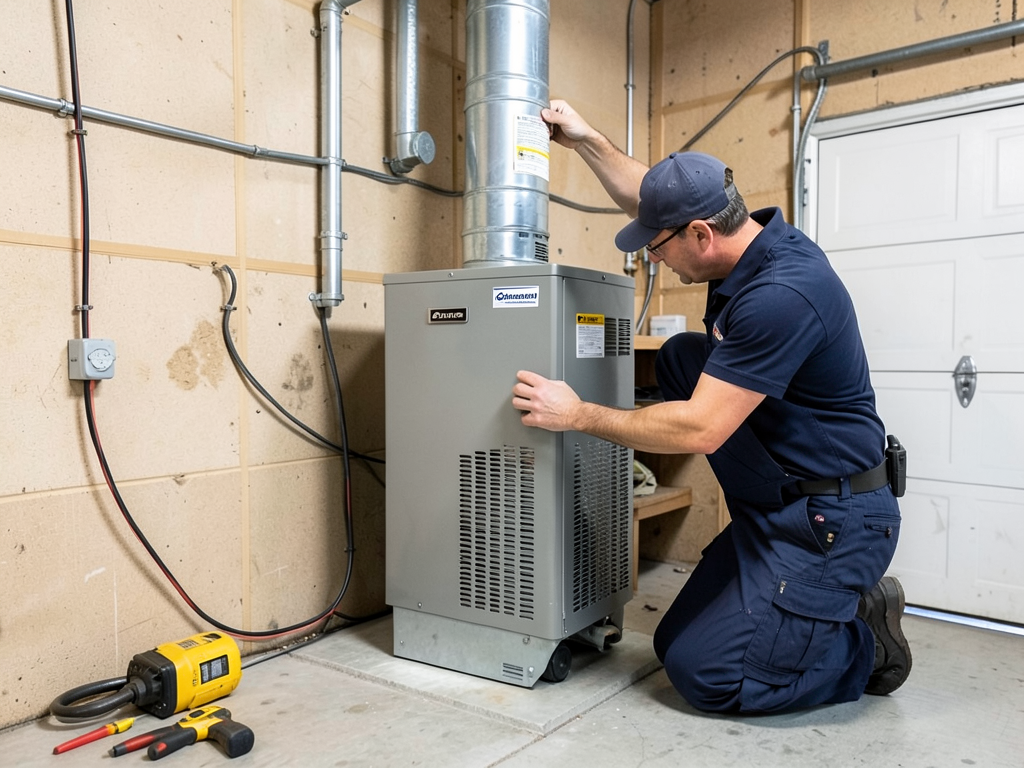
Gas heaters excel at rapidly warming large volumes of air. A 45,000 BTU forced-air unit can raise a 1,200 sq ft garage from 20°F to 60°F in approximately 20-30 minutes when it’s 0°F outside. This speed matters when you need to work in the space for a few hours and can’t wait for slow electric heat buildup. Xcel Energy.
Pros of Gas (Efficiency and Speed)
- Lower operating costs: Natural gas in Chanhassen costs approximately $0.90 per therm. A 45,000 BTU heater running at full capacity uses about 0.45 therms per hour, costing roughly $0.41 per hour of operation.
- Rapid temperature recovery: Gas units produce 3-5 times more heat per minute than electric units, making them ideal for uninsulated or poorly insulated garages.
- Reliable in extreme cold: Gas combustion isn’t affected by sub-zero temperatures the way electric resistance elements can be, particularly in older electrical panels.
Cons of Gas (Installation Costs and Venting)
- Higher upfront investment: Basic units start around $500, but professional installation with gas line runs and venting typically costs $1,500 – $3,000.
- Permitting requirements: Minnesota State Building Code Chapter 1346 requires permits for gas line installations. Chanhassen inspections verify proper venting and gas pressure.
- Moisture production: Combustion creates water vapor. In tight garages, this can lead to condensation on tools and vehicles without proper ventilation.
Electric Garage Heaters: Convenience and Simplicity
Electric heaters eliminate the need for gas lines and venting, making them attractive for DIY installation or quick heating solutions. They’re particularly popular in smaller garages or for users who only need occasional warmth.
Pros of Electric (Low Initial Cost, No Venting)
- Minimal installation: A 240V unit requires only a dedicated circuit. Most Chanhassen homes built after 1990 have adequate electrical service for this upgrade.
- Clean operation: No combustion means no carbon monoxide risk, no venting requirements, and no moisture production from the heating process itself.
- Precise temperature control: Many electric units include programmable thermostats and can maintain steady temperatures within 2-3 degrees.
Cons of Electric (Operational Costs in Cold Climates)
- Higher monthly costs: Xcel Energy’s current residential rate is approximately $0.14 per kWh. A 7,500 watt heater running for one hour costs about $1.05.
- Slower heat delivery: Electric units typically provide 5,000-10,000 BTU. Heating a cold garage from 20°F to 60°F can take 60-90 minutes.
- Electrical load concerns: Large electric heaters may require panel upgrades in older Chanhassen homes, adding $800 – $1,500 to installation costs.
Cost Analysis: Minneapolis Utility Rates Impact
The real cost difference becomes clear when examining monthly winter usage patterns. A Chanhassen garage maintained at 50°F during January’s 744 hours requires:
| System Type | BTU Rating | Hours to Maintain Temp | Therms Used | Cost (Gas) | kWh Used | Cost (Electric) |
|---|---|---|---|---|---|---|
| Gas Heater | 45,000 | 744 | 149 | $134 | N/A | N/A |
| Electric Heater | 7,500 | 744 | N/A | N/A | 5,580 | $781 |
This analysis assumes 50% duty cycle for both systems. Gas systems typically cycle on/off more efficiently, potentially reducing actual costs by 10-15%.
Installation Requirements: What Every MN Homeowner Needs to Know
Minnesota’s building codes and climate create specific requirements for garage heating systems. The Minnesota Mechanical Code requires: Switching to a Cold Climate Heat Pump in Minnesota (Is It Worth It?).
- Minimum clearances: Gas heaters need 3 feet from combustible materials and 8 feet from the floor to the bottom of the unit.
- Venting specifications: Category III stainless steel venting for high-efficiency units; Category I B-vent for standard efficiency.
- Combustion air: Fresh air requirements based on BTU rating. A 45,000 BTU unit needs approximately 450 square inches of free air opening.
Electric installations require:
- Dedicated circuits: 240V units need 20-30 amp dedicated breakers. Older Chanhassen homes may need electrical panel upgrades.
- Thermostat placement: Must be installed away from direct airflow to prevent short cycling.
- Grounding: Proper equipment grounding per NEC Article 424 for fixed electric space heaters.
Verdict: Choosing the Right Heater for Your Garage Size
For Chanhassen’s climate and typical garage configurations, here’s the practical guidance:
- 1-2 car garage (400-600 sq ft): Electric heater if used occasionally or for light workshop activities. Gas becomes cost-effective if used more than 15 hours per week during winter.
- 2-3 car garage (600-900 sq ft): Gas heater recommended for consistent use. Electric only if usage is minimal or electrical upgrades are prohibitively expensive.
- Workshop/studio (900+ sq ft): Gas heater is virtually mandatory. The BTU requirements and operating costs make electric impractical for regular use.
Consider your specific needs: Do you need the space heated within 30 minutes for a project? Do you keep sensitive materials or electronics in the garage? Are you comfortable with the maintenance requirements of a gas system? These factors often matter more than the pure BTU calculations.
Frequently Asked Questions
Can I install a garage heater myself in Chanhassen?
Electric units under 240V can be DIY installed if you have electrical experience and obtain the proper permit. Gas heaters require licensed HVAC contractors and gas fitters due to venting and gas line requirements under Minnesota State Building Code.
How long do garage heaters typically last in Minnesota?
Quality gas heaters last 15-20 years with annual maintenance. Electric units often last 10-15 years but may need element replacements every 5-7 years due to Minnesota’s humidity cycling.
Will a garage heater affect my home insurance?
Properly installed and permitted systems should not affect premiums. Unpermitted installations or DIY gas work could void coverage if they cause damage. Always inform your insurer about major HVAC additions.
Call (651) 588-9677 for Your Garage Heating Assessment
Don’t guess about your garage heating needs. Our Chanhassen-based technicians will measure your space, evaluate your electrical service, and provide a detailed cost comparison specific to your usage patterns. We handle all permitting and ensure your system meets Minnesota Mechanical Code requirements. Call (651) 588-9677 today to schedule your assessment before the next cold snap hits. Fast AC Service for North Loop Condos and Lofts.
{
“@context”: “https://schema.org”,
“@type”: “BlogPosting”,
“headline”: “Deciding Between Electric and Gas Heat for Your Chanhassen Detached Garage”,
“description”: “Compare electric vs gas garage heaters for Chanhassen’s harsh winters. Find cost, installation, and performance data to choose the right heating solution.”,
“wordCount”: 1153,
“datePublished”: “2026-05-01T11:48:00.000Z”,
“dateModified”: “2026-05-01T11:48:00.000Z”,
“inLanguage”: “en-US”,
“mainEntityOfPage”: {
“@type”: “WebPage”,
“@id”: “https://allprohvacminneapolis.com”
},
“publisher”: {
“@type”: “LocalBusiness”,
“name”: “All Pro HVAC Minneapolis”,
“url”: “https://allprohvacminneapolis.com”
},
“author”: {
“@type”: “Organization”,
“name”: “All Pro HVAC Minneapolis”,
“url”: “https://allprohvacminneapolis.com”
},
“image”: {
“@type”: “ImageObject”,
“url”: “https://allprohvacminneapolis.com/wp-content/uploads/2026/03/deciding-between-electric-and-gas-heat-for-your-ch-1.png”
}
}
{
“@context”: “https://schema.org”,
“@type”: “HVACBusiness”,
“name”: “All Pro HVAC Minneapolis”,
“url”: “https://allprohvacminneapolis.com”,
“address”: {
“@type”: “PostalAddress”,
“addressLocality”: “Minneapolis”
},
“areaServed”: {
“@type”: “City”,
“name”: “Minneapolis”
}
}
{
“@context”: “https://schema.org”,
“@type”: “FAQPage”,
“mainEntity”: [
{
“@type”: “Question”,
“name”: “Can I install a garage heater myself in Chanhassen?”,
“acceptedAnswer”: {
“@type”: “Answer”,
“text”: “Electric units under 240V can be DIY installed if you have electrical experience and obtain the proper permit. Gas heaters require licensed HVAC contractors and gas fitters due to venting and gas line requirements under Minnesota State Building Code.”
}
},
{
“@type”: “Question”,
“name”: “How long do garage heaters typically last in Minnesota?”,
“acceptedAnswer”: {
“@type”: “Answer”,
“text”: “Quality gas heaters last 15-20 years with annual maintenance. Electric units often last 10-15 years but may need element replacements every 5-7 years due to Minnesota’s humidity cycling.”
}
},
{
“@type”: “Question”,
“name”: “Will a garage heater affect my home insurance?”,
“acceptedAnswer”: {
“@type”: “Answer”,
“text”: “Properly installed and permitted systems should not affect premiums. Unpermitted installations or DIY gas work could void coverage if they cause damage. Always inform your insurer about major HVAC additions.”
}
}
]
}
{
“@context”: “https://schema.org”,
“@type”: “BreadcrumbList”,
“itemListElement”: [
{
“@type”: “ListItem”,
“position”: 1,
“name”: “Home”,
“item”: “https://allprohvacminneapolis.com”
},
{
“@type”: “ListItem”,
“position”: 2,
“name”: “Blog”,
“item”: “https://allprohvacminneapolis.com/blog”
},
{
“@type”: “ListItem”,
“position”: 3,
“name”: “Deciding Between Electric and Gas Heat for Your Chanhassen Detached Garage”
}
]
}
{
“@context”: “https://schema.org”,
“@type”: “Service”,
“serviceType”: “HVAC”,
“provider”: {
“@type”: “LocalBusiness”,
“name”: “All Pro HVAC Minneapolis”,
“url”: “https://allprohvacminneapolis.com”
},
“areaServed”: {
“@type”: “City”,
“name”: “Minneapolis”
},
“description”: “Compare electric vs gas garage heaters for Chanhassen’s harsh winters. Find cost, installation, and performance data to choose the right heating solution.”
}